Farmer hits ‘rock’ while plowing — and finds unusual World War II artifact in Slovakia
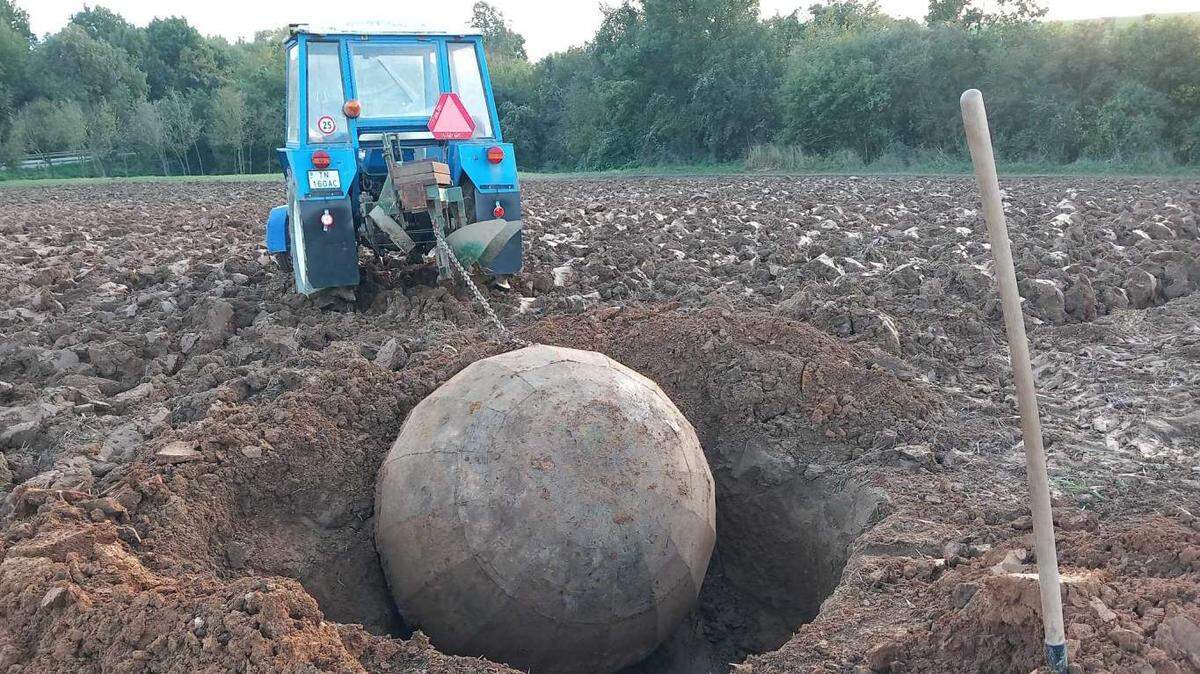
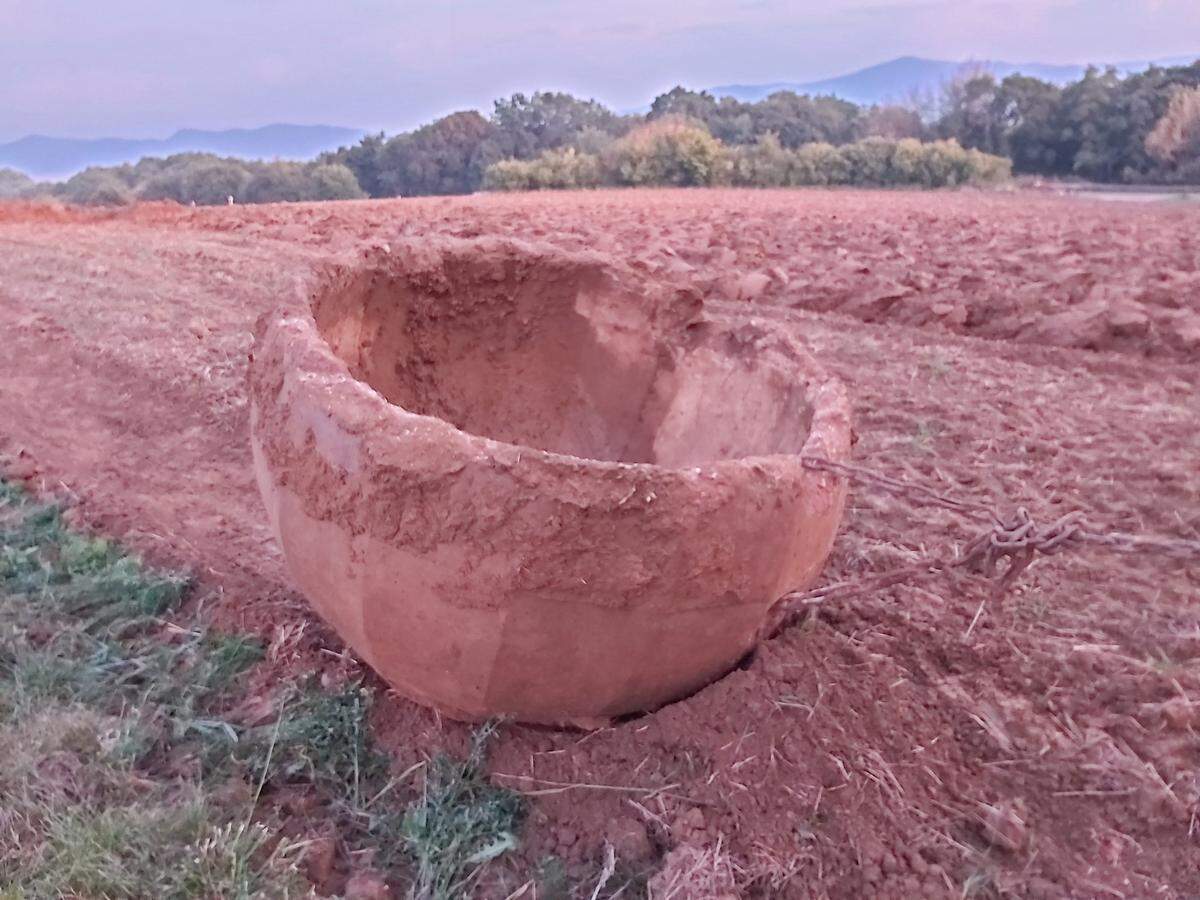
While plowing a field in western Slovakia, a farmer hit a “rock.” This wasn’t the first time the annoying “rock” had gotten in his way, but he decided it was going to be the last time. He started digging — and found an unusual World War II artifact.
As the farmer in Kostolná-Záriečie dug, a circular concrete structure started to emerge, the Monument Office of the Slovak Republic said in a Dec. 11 news release.
Photos shared by the village of Chocholná-Velčice in an Oct. 17 Facebook post show the excavation process. The partially buried object looks almost like a crater.
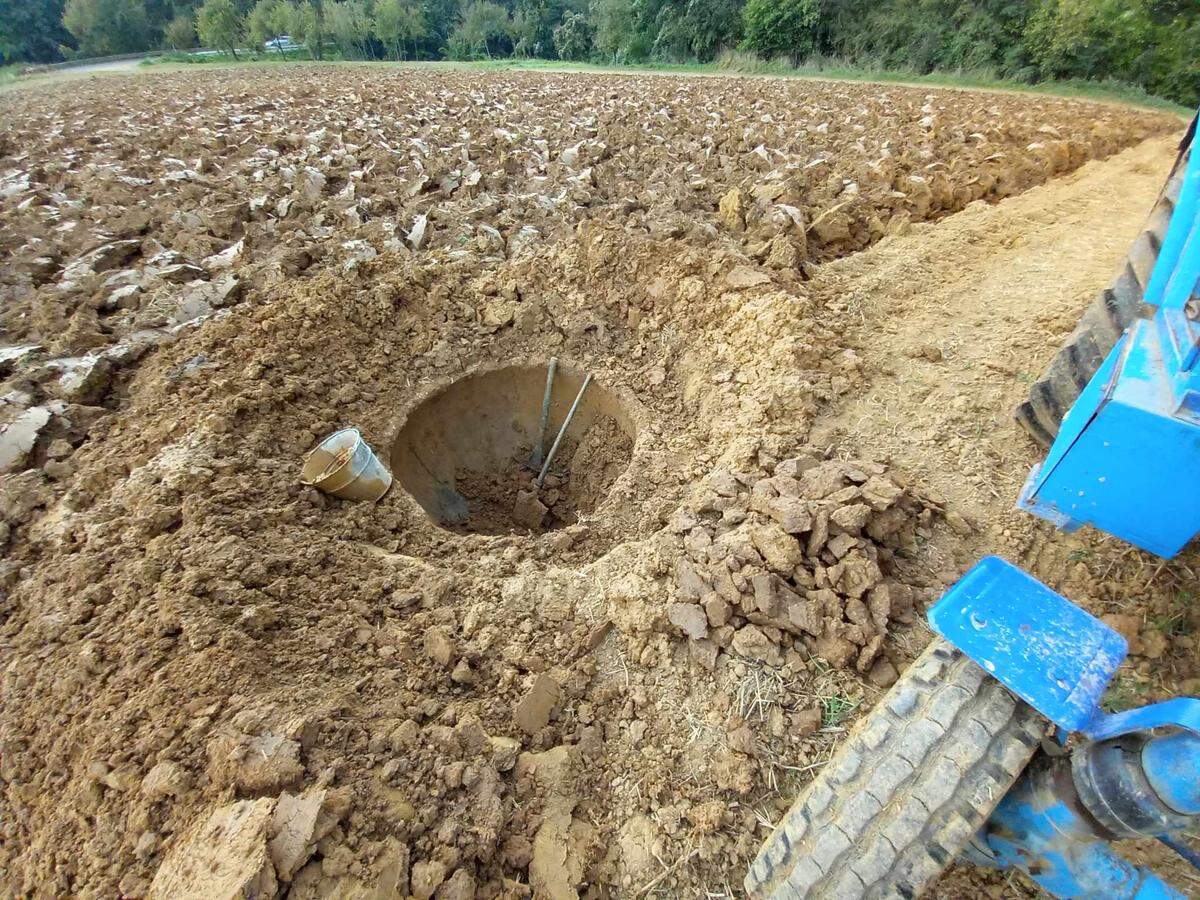
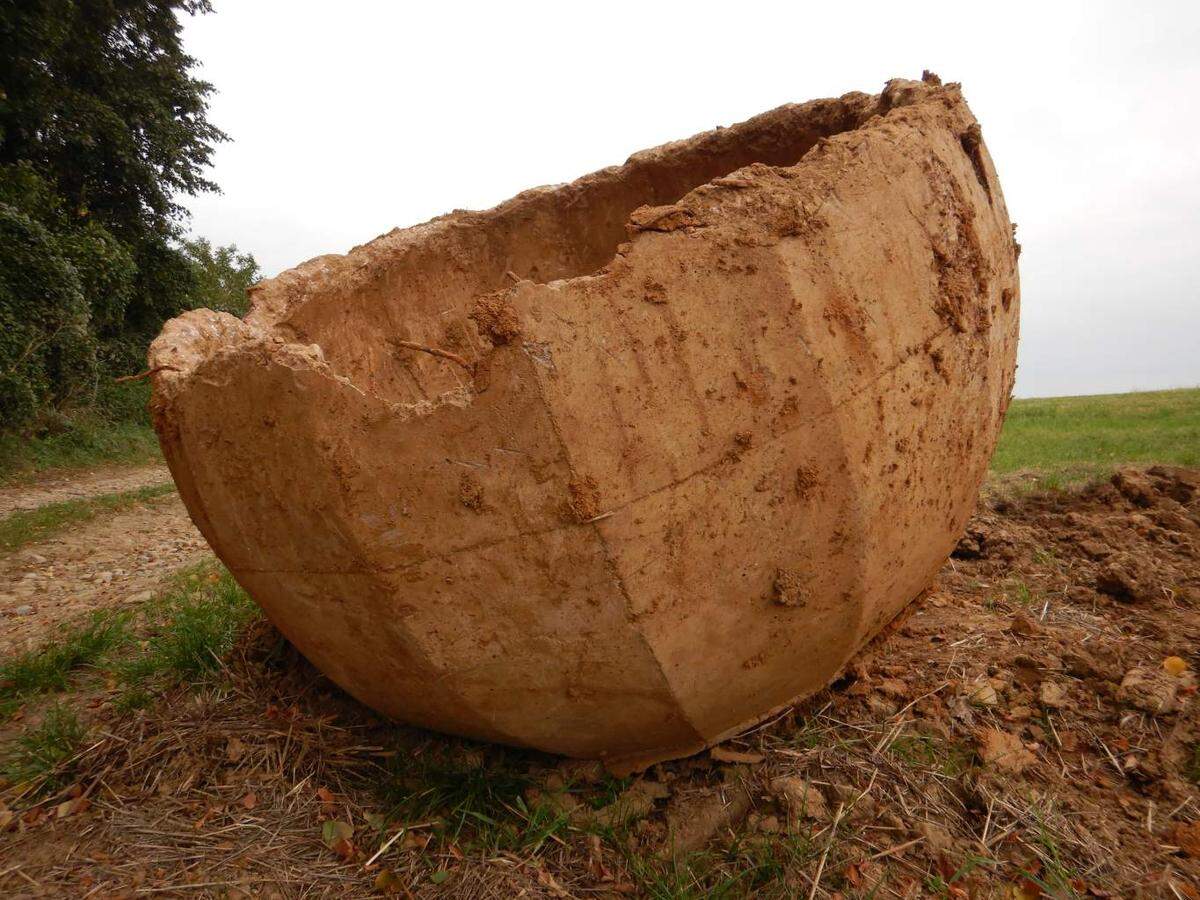
Officials identified the farmer’s find as the bottom half of a machine gun nest used by the Nazi German military during World War II. These machine gun nests were also known as a kugelstand and kugelbunker.
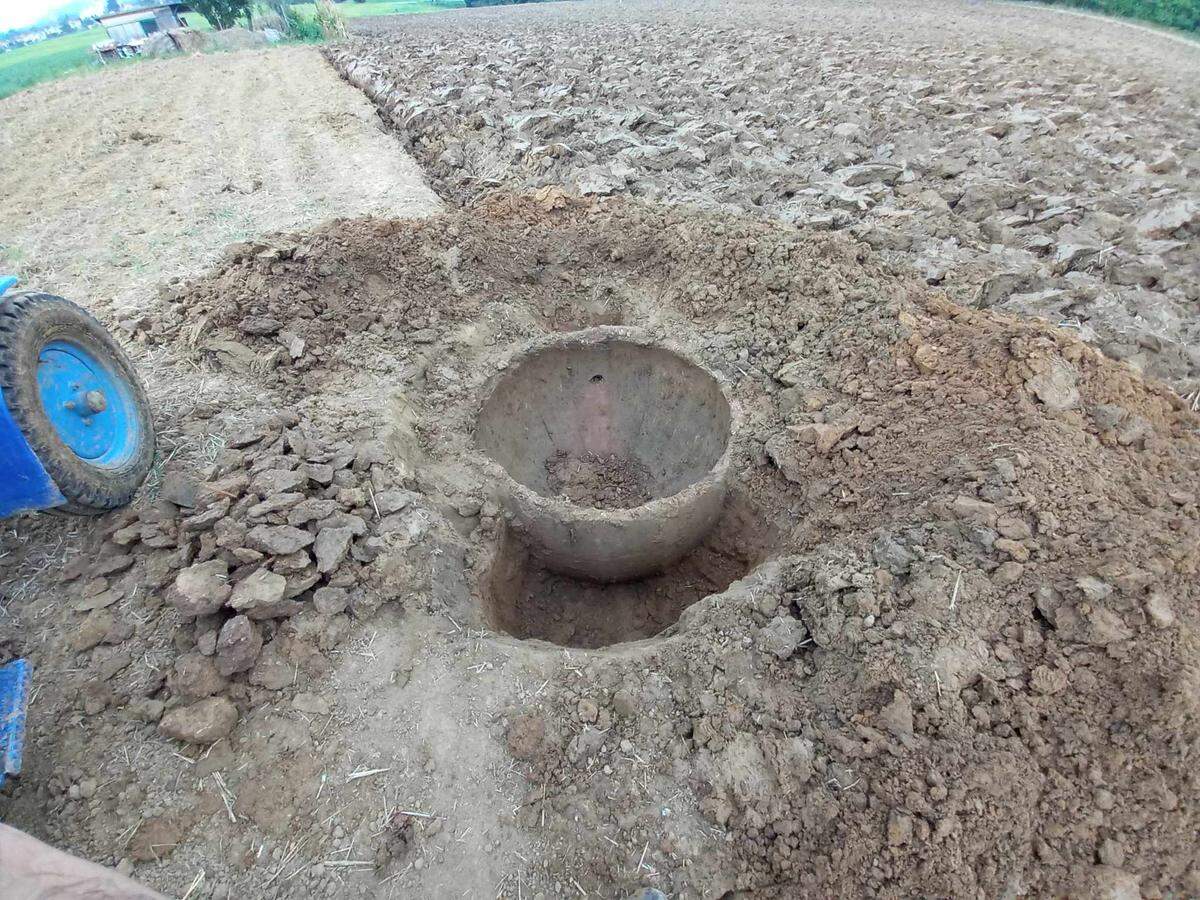
These defensive structures were made of reinforced concrete and had a spherical shape with a hole on top. They were used as shelters and firing points for machine guns or other infantry soldiers, the release said. A photo shows what the machine gun nest would have looked like while in use.
In 1945, near the last few months of World War II, the village of Chocholná-Velčice was located along the front lines for about two weeks, the Facebook post said. The Nazi German army defended the village from advancing Soviet-Romanian armies before finally retreating. During this time, the German military fortified their position with machine gun nests.
Metal detectorists searched the field in Kostolná-Záriečie but did not find any other artifacts, the release said. The lack of any findings suggests that this machine gun nest probably wasn’t an active firing location.
At some point after World War II, the upper part of the machine gun nest was destroyed, possibly because it disrupted plowing, officials said. The underground structure was forgotten — until now.
Officials estimate that up to a thousand machine gun nests were used by Nazi German forces in Slovakia during World War II. After the war ended, some structures were destroyed, others left in place and some reused as flower pots, playground equipment or other objects.
The machine gun nest from Kostolná-Záriečie was relocated to the Trenčín Museum, the release said.
Kostolná-Záriečie is about 70 miles northeast of Bratislava and near the Slovakia-Czechia border.
Google Translate was used to translate the news release from the Monument Office of the Slovak Republic and the Facebook post from the village of Chocholná-Velčice.
This story was originally published December 29, 2023 at 10:29 AM with the headline "Farmer hits ‘rock’ while plowing — and finds unusual World War II artifact in Slovakia."