From ‘dragon’-like to ‘dwarf’-like: See five new species of geckos discovered in 2023
Whether landing on an uninhabited island or venturing into a darkened landscape, teams of scientists around the world headed into the field with a shared goal. They all wanted to find some unfamiliar-looking geckos — and they succeeded.
From “slender” to spiky to “fringed,” researchers discovered dozens of new species of gecko in 2023. Take a look at five of these little lizards.
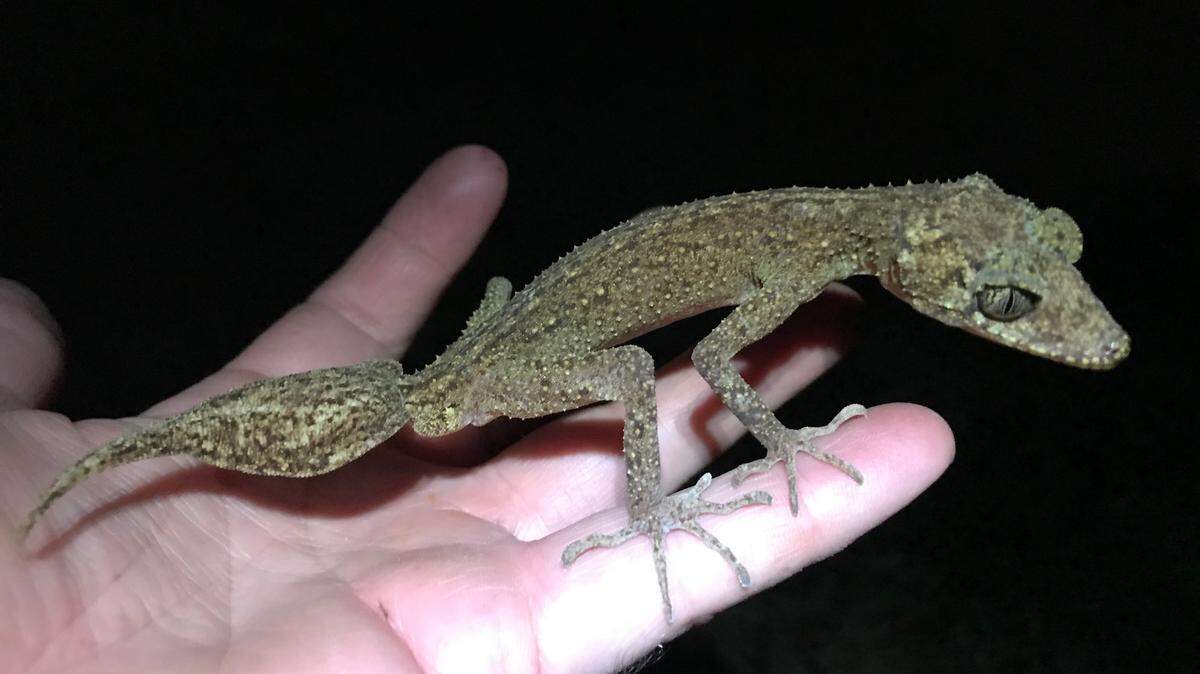
Researchers in Australia visited an uninhabited island and spotted something that looked “like a little dragon.” The roughly 6-inch-long reptile had a knobby, leaf-shaped tail with a “fringed” texture. They named it phyllurus fimbriatus, or the Scawfell Island leaf-tailed gecko.
A photo shows the Scawfell Island leaf-tailed gecko, “perfectly camouflaged” in its rocky habitat. During the day, these geckos retreat into the rocks. At night, they emerge to feed.
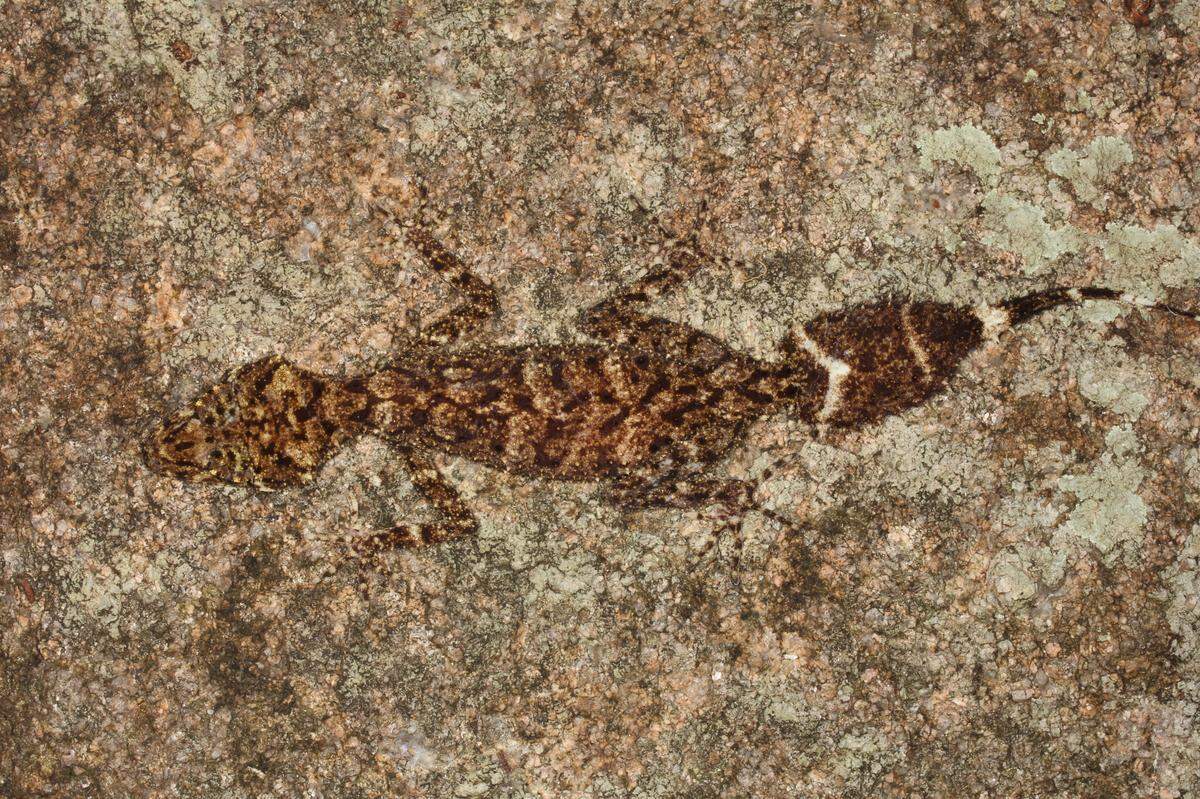
Thousands of miles north, researchers in Lũng Cú, Vietnam, spotted a lizard scampering along the cliffs — and discovered Hemiphyllodactylus lungcuensis, or the Lungcu slender gecko.
The Lungcu slender gecko can reach about 3.4 inches in size and has a “triangular” head. Its body has a “brown sand” coloring with “irregular dark brown streaks.” A photo shows the marbled-looking gecko.

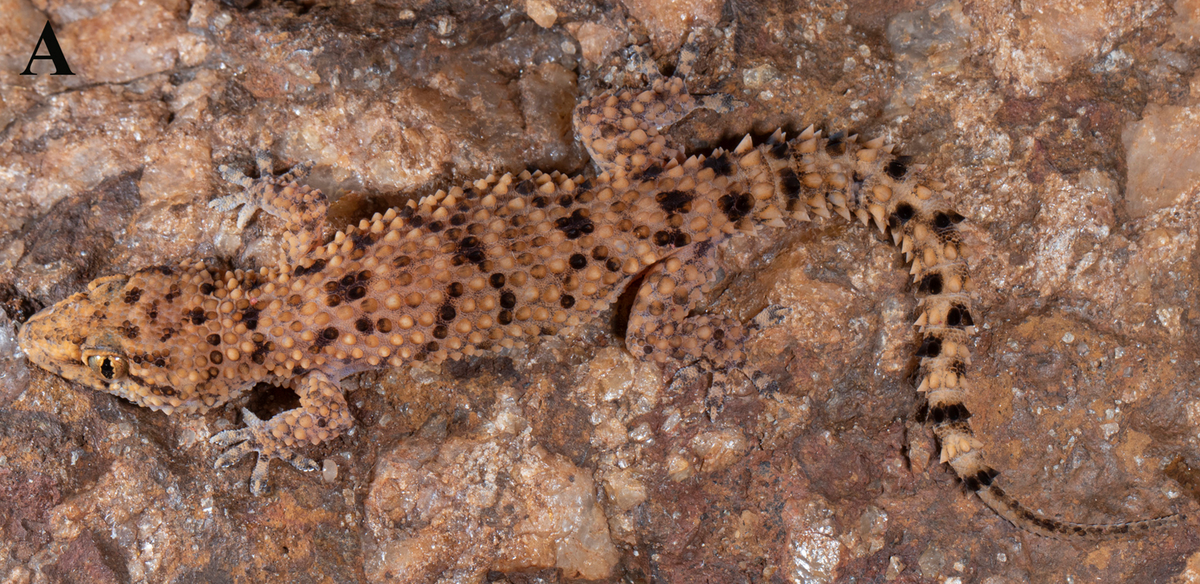
Another species of rock-dwelling gecko was discovered in Tamil Nadu, India. Hemidactylus quartziticolus, or the quartzite brookiish gecko, is small, reaching less than 3 inches in length. It has a tan-brown body with black or dark brown blotches that appear to form an “X” on its back, a photo shows. Small knob-like spines run the length of its body, giving the gecko a spiky appearance
The quartzite brookiish gecko was named for its preferred quartzite rock habitat, though one was found on the wall of a small temple. The lizards are most active at night.
Across the Indian Ocean, researchers in the Karamoja region of the central African country of Uganda found a pregnant “dwarf”-like lizard — and discovered a new species: Lygodactylus karamoja, or the Karamoja dwarf gecko.
Karamoja dwarf geckos are considered “large,” reaching about 3 inches in size. They have “slender” bodies, “rounded” snouts and several “chevrons” on their throats. These geckos live on trees and have a “cryptic nature.”
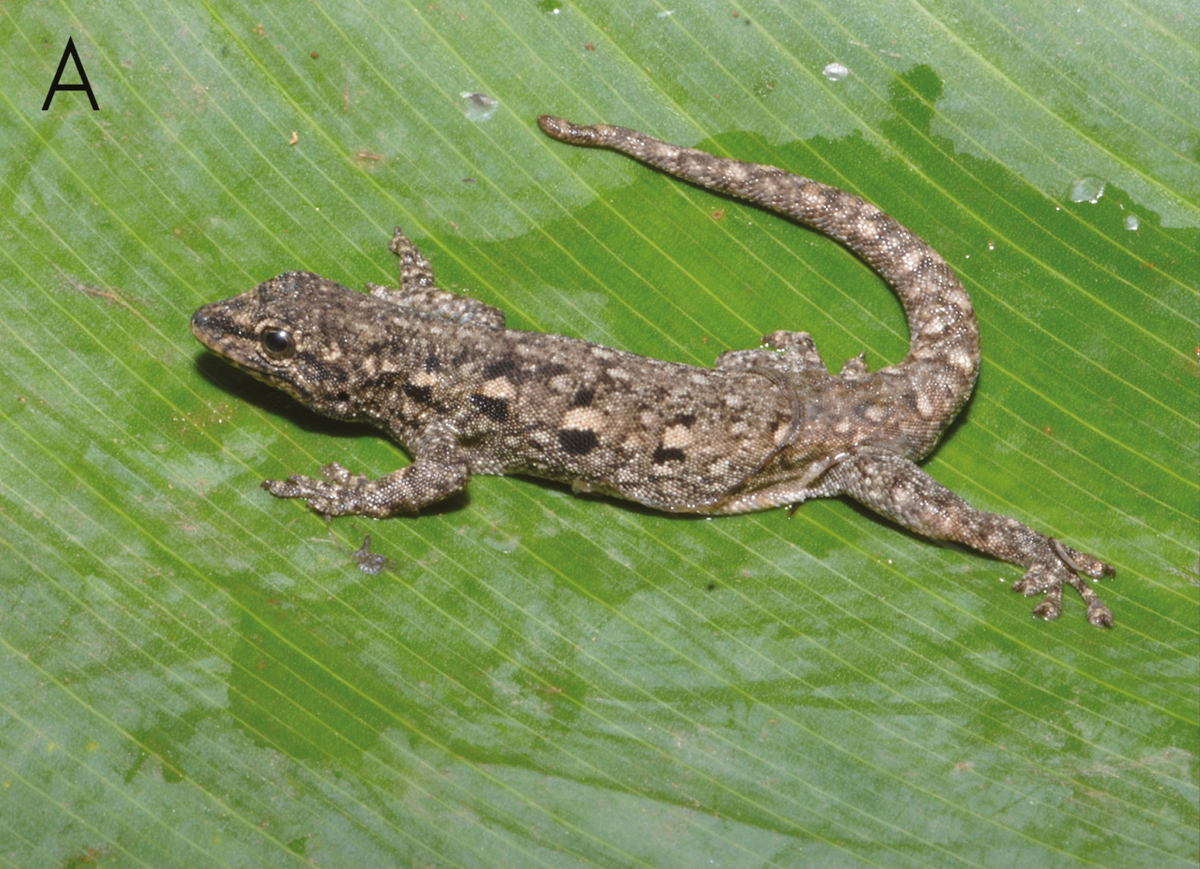
Nearby in the Albertine Rift region of Burundi, researchers discovered another species of dwarf gecko in an urban hotel: Lygodactylus kibera, or the forest dwarf gecko. The gecko has a “slender” and “relatively robust” body. It’s considered “large,” reaching about 3.1 inches in size.
A photo shows the forest dwarf gecko. It has a tannish coloring with a smattering of spots. Underneath, its throat has several “chevrons” and its belly and groin are yellow.
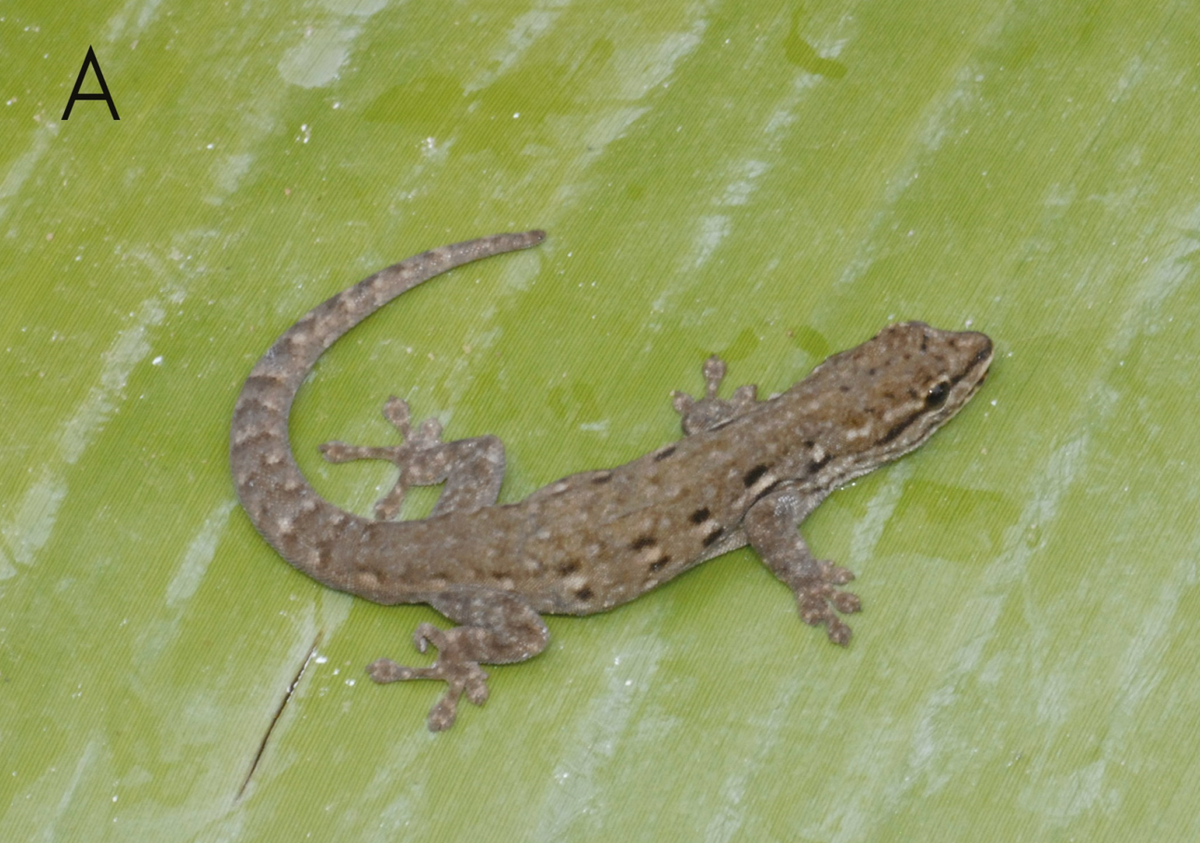
The new species were identified by a combination of their physical features, habitats and DNA analysis.
Because geckos are typically small and live in very limited areas, scientists believe there are many more species that remain undiscovered. Overall, thousands of new animal species are found each year.
Research into new animal species, a field known as taxonomy, provides a deeper understanding of natural environments and helps protect rare animals by finding and identifying them. The rate of discovery of new species has increased in recent decades due to DNA analysis becoming more widely available and improvements in global information sharing.
2024 is bound to bring even more new species to light.
This story was originally published December 28, 2023 at 11:41 AM with the headline "From ‘dragon’-like to ‘dwarf’-like: See five new species of geckos discovered in 2023."