Gold disc found in Norse treasure pile is oldest-known reference to Odin, experts say
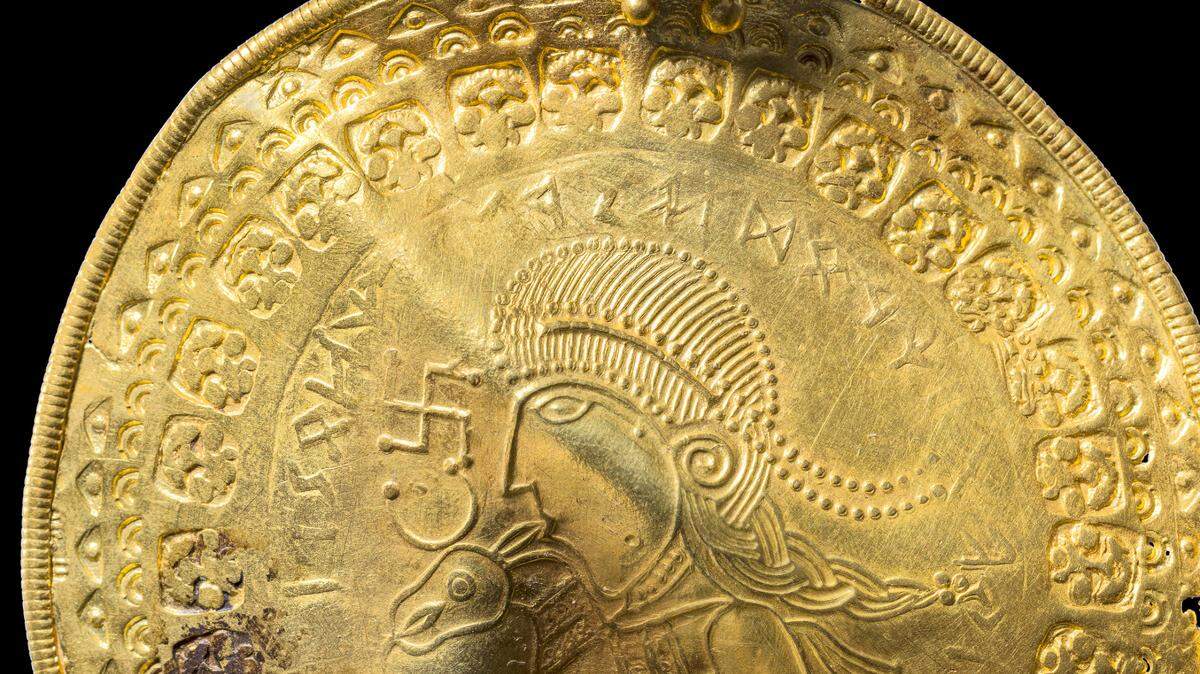
A hoard of Norse treasure was discovered at the Viking site of Jelling, in the western region of Denmark.
Found in 2021, it included 23 pieces of goldwork, some with inscriptions, and was named the Vindelev Hoard.
And the find has surprising implications for the history of Norse mythology.
In a statement from the National Museum of Denmark on March 8, experts have revealed what those history-making inscriptions said.
One of the gold bracteates, a type of ornamental disc or pendant, was inscribed with the words “He is Odin’s man” in part of a sentence. It was in reference to the unknown king or man that was seen on the disc.
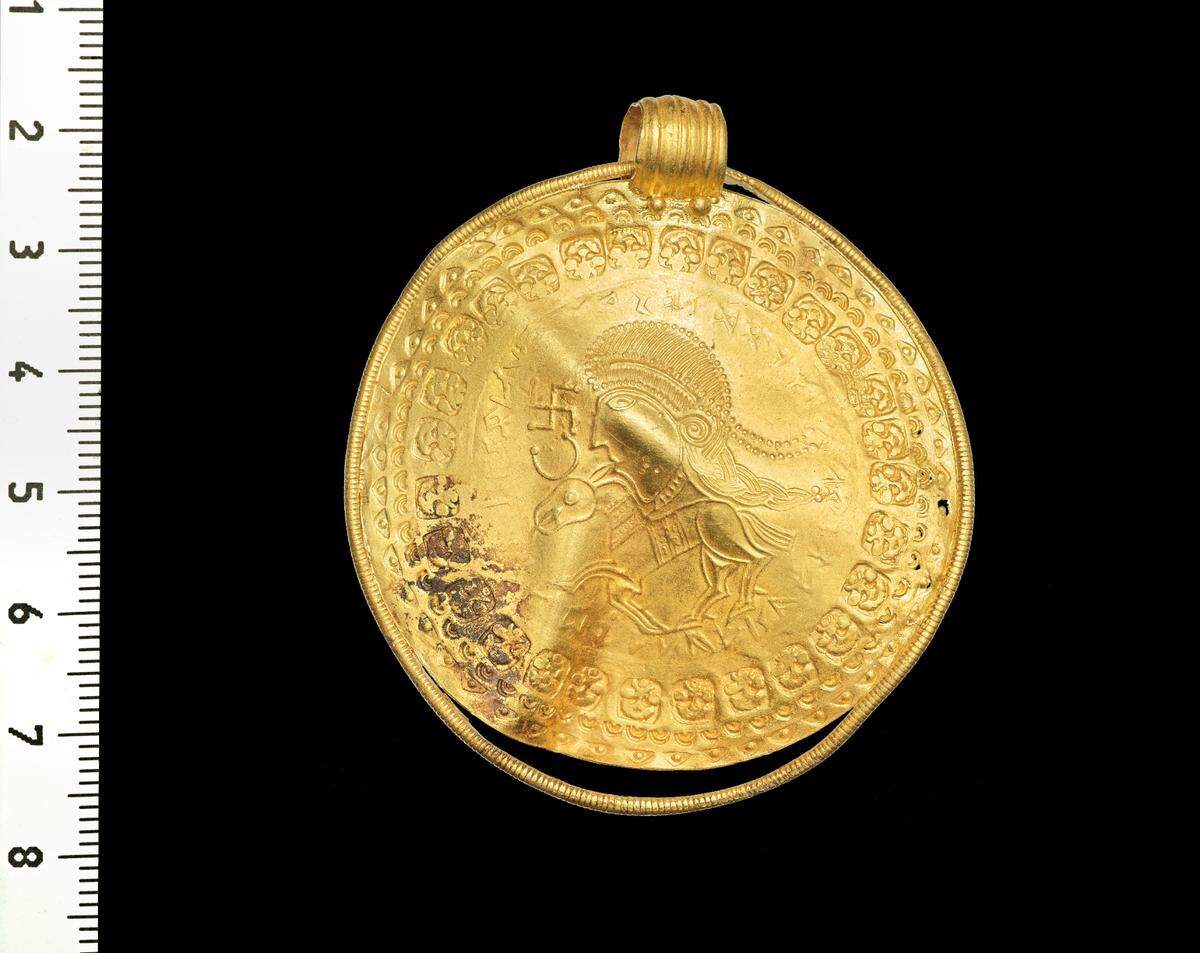
“This means that the gods we know from Norse mythology were already familiar at the beginning of the 5th century: 150 years earlier than previously established,” experts said in the release.
Experts believe this coin may be the first time in history that Odin’s name was mentioned, making the hoard discovery even more monumental.
“This type of inscription is extremely rare. We may be lucky to find one every 50 years,” Krister Vasshus, an ancient language specialist and one of the people to make the discovery, said in the statement. “This one turns out to be a chapter in world history.”
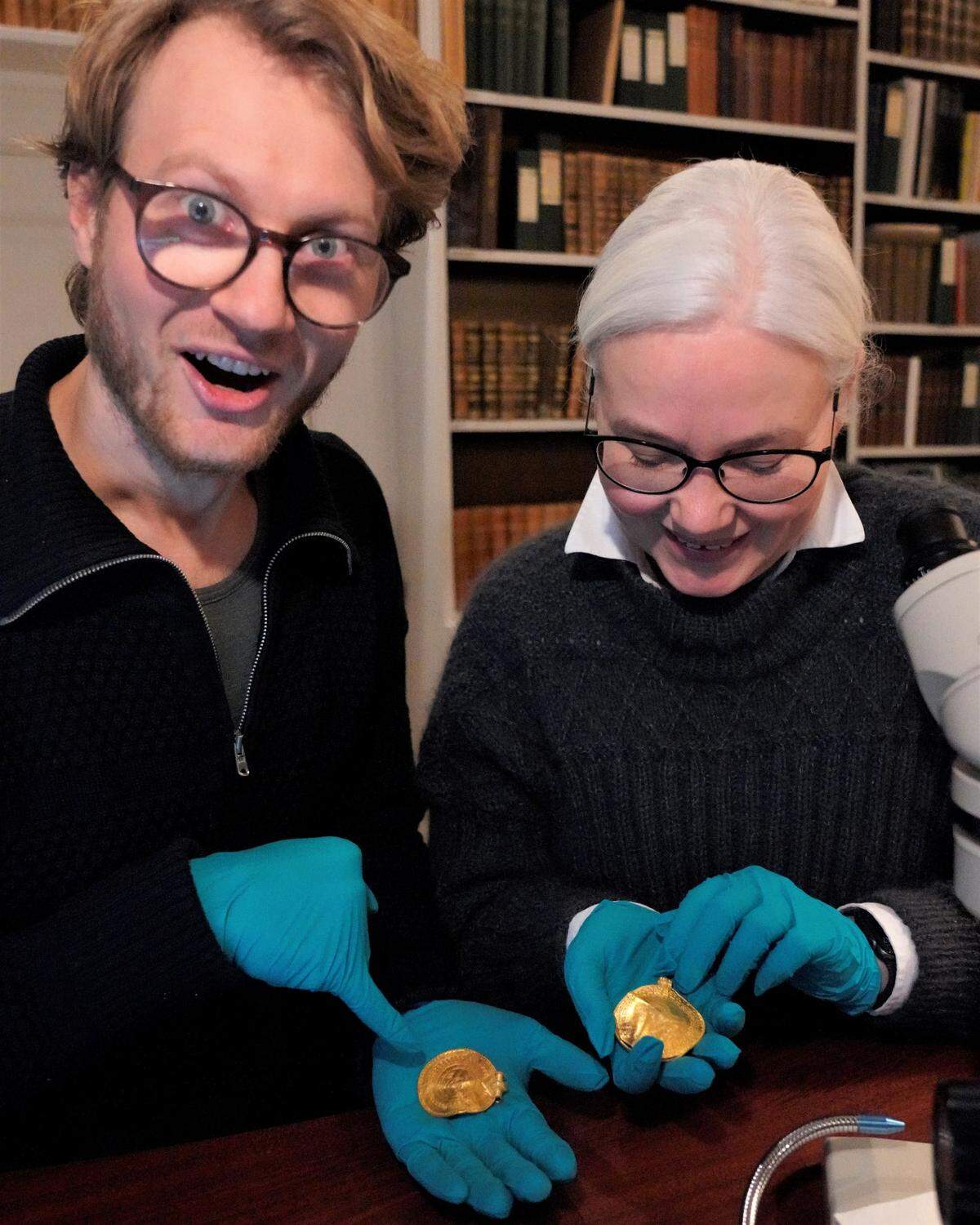
Experts said runic inscriptions, like the one seen on the disc, are incredibly difficult to translate because the words are written without spaces between letters and the discs are usually worn down over time.
The inscriptions are also written in a language that is more than 1,500 years old and has transformed significantly over that time.
“Generally, we find short runic inscriptions with fairly comprehensible content, but this time the text is long and consists almost entirely of new words,” Vasshus said in the statement. “That made it extremely difficult to interpret. In itself, the interpretation is quite a major achievement, which will help us understand other runic inscriptions – on other bracteates, for instance.”

The man depicted on the disc was likely someone important in 5th-century Denmark, but not Odin himself.
The “Odin’s man” distinction, given to people in positions of power, indicates the man was believed to have been bestowed with “divine legitimacy by Odin.” Experts theorize he may have been a supreme cult leader of the community or some type of mayoral figure.
Experts also believe the gold used had been imported from the south, with the presence of Roman medallions in the Vindelev Hoard suggesting the king on the coin had a network that extended into Europe.
This story was originally published March 9, 2023 at 12:48 PM with the headline "Gold disc found in Norse treasure pile is oldest-known reference to Odin, experts say."