
Trump takes aim at law protecting reproductive clinics. What to know about FACE Act
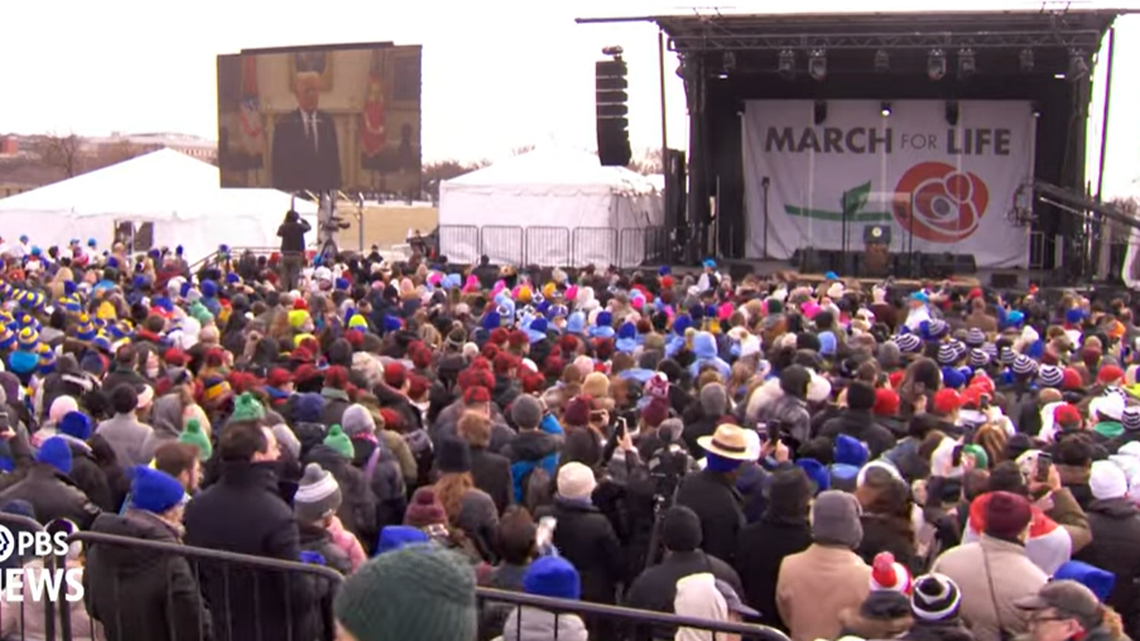
On his first day in office, President Donald Trump signed dozens of executive orders but none pertained to abortion. Then, on his fifth day, the Department of Justice released a memo aiming to weaken enforcement of a law protecting reproductive health centers.
The Trump Administration instructed federal prosecutors to limit prosecutions concerning the Freedom of Access to Clinic Entrances (FACE) Act — citing unfair prosecution against anti-abortion protesters, according to the Jan. 24 memo released by the Department of Justice.
Though critics of the FACE Act say it has unfairly targeted anti-abortion demonstrators outside of clinics, the act is aimed to protect centers that offer abortions and places such as crisis pregnancy centers.
What constitutes a violation of the FACE Act?
The 1994 law passed by Congress was crafted in light of an “increase in violence” toward reproductive care centers, according to the justice department.
The FACE Act prohibits threats, damage and any “obstructive conduct” that interferes with a person’s ability to enter or receive care at one of the centers, officials said.
“The FACE Act is not about abortions,” the department said on its website. “The statute protects all patients, providers, and facilities that provide reproductive health services, including pro-life pregnancy counseling services and any other pregnancy support facility providing reproductive health care.”
While abortion clinics and crisis pregnancy centers are protected under the act, hospitals, physician’s offices, or other medical facilities are also protected, federal officials said.
An example of a crime prosecuted for violation of the FACE Act include when a protester outside a reproductive care center attempts to block a person from entering the facility or vandalizes the building, federal officials said.
In January 2024, six anti-abortion protesters in Tennessee were convicted of violating the act when they created a blockade outside of an abortion clinic in an attempt to obstruct people from receiving reproductive health services, federal prosecutors said.
Recent prosecutions have also targeted pro-abortion rights demonstrators defacing crisis pregnancy centers, which do not offer abortions.
A man recently pleaded guilty to vandalizing two crisis pregnancy centers in Texas as a result of the 2022 leaked Dobbs v. Jackson decision that indicated the Supreme Court would overturn Roe v. Wade, McClatchy News reported.
What does the Justice Department plan to do with FACE cases?
The memo from the justice department does not cease prosecution of those accused of violating the act, nor does it erase the law entirely.
The memo, which was from the chief of staff to acting Attorney General James R. McHenry III, says that any cases surrounding “abortion-related” violations of the FACE Act cannot be brought forth by federal prosecutors without the department’s permission.
The department plans to pursue cases that entail the “most serious violations” of the law, the memo said.
The sweeping declaration also directed prosecutors to dismiss three cases concerning violations of the act:
United States v. Connolly: A lawsuit accuses Matthew Connolly of violating the FACE Act in August 2021 when he entered a reproductive health clinic in Philadelphia. He’s accused of barricading himself in a clinic bathroom which forced the facility to shut down and reschedule appointments for the day, federal prosecutors said.
United States v. Zastrow, et. al.: Federal prosecutors sued five people for violating the FACE Act in Fort Meyers, Florida in January 2022. The five are accused of blocking entrances to a reproductive health center.
United States v. Citizens for a Pro Life Society, et. al: The justice department sued seven people and two anti-abortion organizations for a June 2021 violation of the FACE Act. They’re accused of obstructing services at two reproductive health care centers in Ohio.
What do punishments entail?
Nonviolent offenses can lead to fines up to $10,000 and up to six months in prison, according to the department.
Violent offenses can carry stiffer sentences, including up to 10 years in prison if a person is injured.
More serious violations can carry a term of life in prison if someone dies.
This story was originally published January 30, 2025 at 6:27 PM with the headline "Trump takes aim at law protecting reproductive clinics. What to know about FACE Act."
