Construction workers found remains near Hoover Dam in 2009, cops say. Now they’re ID’d
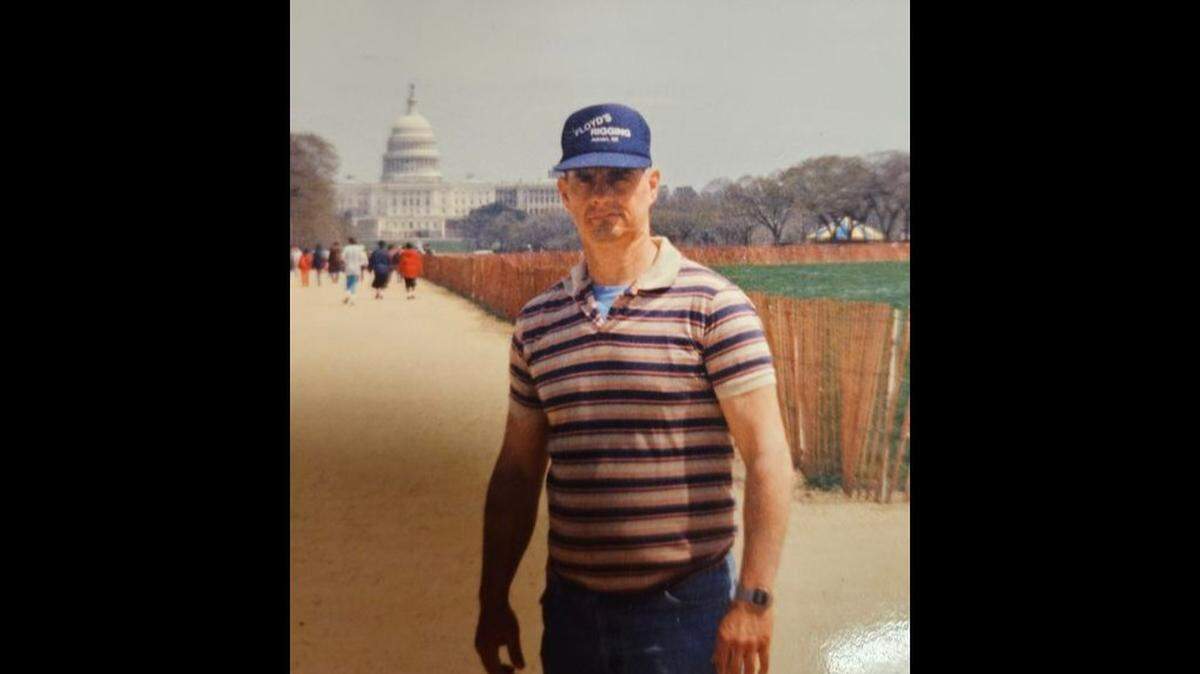
Remains found by construction workers working on a highway project near the Hoover Dam in 2009 have been identified, Arizona deputies say.
Using genetic genealogy, the remains were identified as a man who “lived a nomadic lifestyle” and was last seen by his family in 1995, the Mohave County Sheriff’s Office said in an Oct. 30 Facebook post.
Man’s identity a mystery
Two construction workers, who were hired “to pour cement on the Highway 93 widening project,” were taking a break at Milepost 3 near the Hoover Dam when one of them saw what looked like a bone on Nov. 11, 2009, deputies said.
While the pair searched the area, they found more bones and realized they were human, according to deputies.
They told their supervisor, who reached out to National Park Service Agents, deputies said.
A Kingman police officer working traffic detail at the construction site called the sheriff’s office, deputies said.
“The construction workers and the agents did a quick search of the area and recovered more bones, a sun-bleached pair of blue jeans, a damaged white towel, a sun-bleached red t-shirt, a black athletic shoe and a green sleeping bag,” deputies said.
A few days later, officials again searched the area and found additional remains, deputies said.
Everything found during the searches was handed over to the Mohave County Medical Examiner’s Office, deputies said.
Officials determined the remains belonged to a man between the ages of 40 and 55, who stood about 5 feet, 10 inches tall, according to Othram Inc., the genetic genealogy company that helped identify the man.
Officials determined the man, who became known as “Mohave County John Doe,” likely died several years before his remains were found, Othram said.
The man’s case was eventually entered into the National Missing and Unidentified Persons System, according to the company.
Though detectives worked the case over the years, deputies said they found no promising leads.
More than a decade later, in 2022, detectives sent a bone sample to the Arizona Department of Public Safety so a DNA profile could be extracted and uploaded to the Combined DNA Index System, deputies said.
A sample was also sent to the University of North Texas, where officials extracted a DNA sample, deputies said.
It was stored to be used for analysis and identification, according to deputies.
Even still, deputies said the man’s identity remained a mystery.
Genetic genealogy to ID
Othram Inc. contacted the sheriff’s office in hopes of identifying the man in April after getting a grant to fund forensic genetic genealogy testing in the case, deputies said.
Genetic genealogy uses DNA testing coupled with “traditional genealogical methods” to create “family history profiles,” according to the Library of Congress. With genealogical DNA testing, researchers can determine if and how people are biologically related.
Deputies said they sent the sample stored at the university to Othram.
Othram said its scientists created a DNA profile for the man, which “was then used in a genetic genealogy search.”
A report from Othram showed the unidentified man had ancestors born in the mid-1800s and lived in Michigan, deputies said.
The sheriff’s office said its detectives found the man’s potential relatives and interviewed them.
“In doing so, investigators learned that William Herman Hietamaki, a brother of the interviewed siblings, had not been seen by them since 1995,” deputies said.
At the time, Hietamaki was traveling in the southwest, deputies said.
His possible siblings submitted DNA for testing and confirmed the remains belonged to Hietamaki, deputies said.
Hietamaki, who went by his middle name, Herman, and was born in 1950, grew up with his family in the Trout Creek, Michigan, area, according to deputies.
After graduating high school in Michigan, he attended mechanic’s school, the sheriff’s office said.
Shortly after, he left the state and started traveling, deputies said.
“He was known to hitchhike to various locations and lived a nomadic lifestyle,” deputies said.
Family last saw Hietamaki in New Mexico in 1995 when he visited a sister, according to deputies.
Records show he once lived in Las Vegas, Nevada, deputies said.
“He suffered from epileptic seizures,” according to deputies.
Due to the state of Hietamaki’s remains, the medical examiner’s office could not determine his cause of death but estimated he died between 2006 and 2008, deputies said.
This story was originally published October 30, 2024 at 1:15 PM with the headline "Construction workers found remains near Hoover Dam in 2009, cops say. Now they’re ID’d."