Wolves preyed on livestock, so now pack returned to wild will be moved, officials say
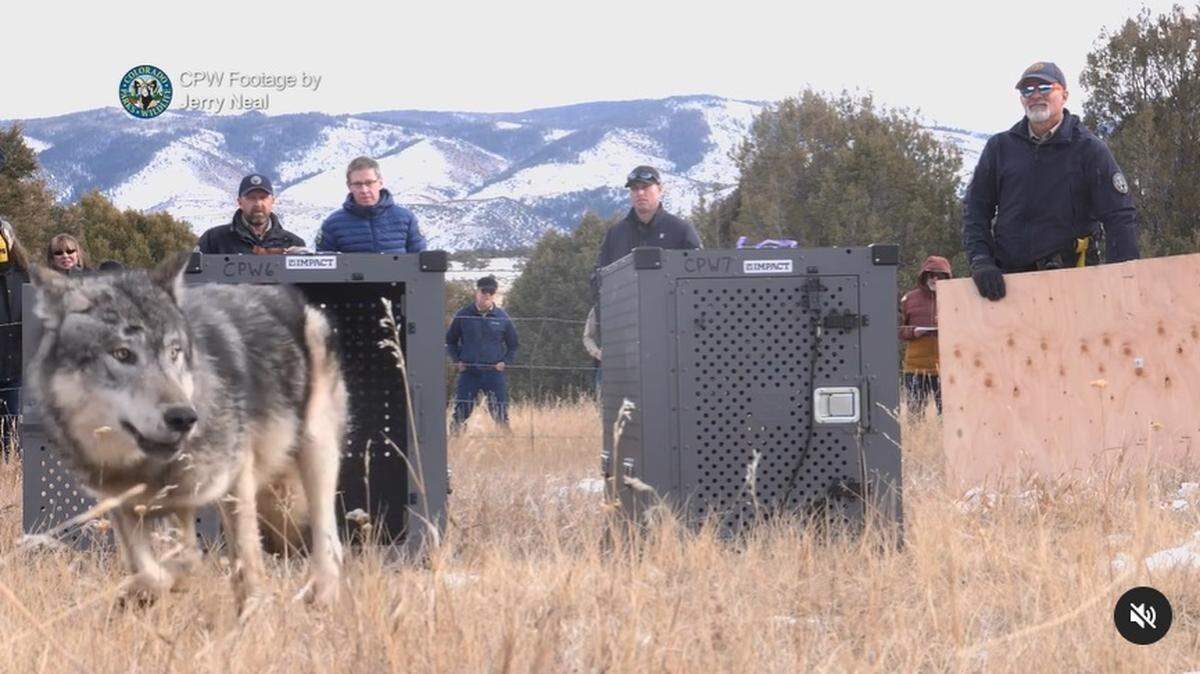
After wolves from a pack that was reintroduced into the wild preyed on livestock animals, Colorado wildlife officials are moving some of the predators to a new area.
Colorado Parks and Wildlife has already started capturing the wolves from the Copper Creek pack to relocate them, according to a Tuesday, Aug. 27 news release.
The agency is completing the operation with “technical support from federal partners, and as provided for in the 10(j) experimental population rule issued by the U.S. Fish and Wildlife Service,” the release said. The 10(j) designation allows the agency to treat the experimental population as threatened under the Endangered Species Act.
Colorado Parks and Wildlife also worked with several stakeholders to determine the best way to move forward after the livestock depredations, officials said in the release.
“The decision to capture and relocate the Copper Creek pack was made with the careful consideration of multiple factors and feedback from many different stakeholders,” said the agency’s director, Jeff Davis. “Our options in this unique case were very limited, and this action is by no means a precedent for how CPW will resolve wolf-livestock conflict moving forward. The ultimate goal of the operation is to relocate the pack to another location while we assess our best options for them to continue to contribute to the successful restoration of wolves in Colorado.”
Colorado was the first state to reintroduce the apex predator after residents voted in favor of the effort in 2020. Since then, a vocal group of ranchers, hunters and other agricultural stakeholders have complained, citing concerns over livestock depredation — and ultimately their livelihoods, the Denver Post reported.
The wolves have preyed on more than two dozen livestock animals, and about three dogs, according to CPW. The agency reimbursed more than a dozen livestock producers who submitted claims.
“The Copper Creek pack’s wolves, including (three) known pups, are among at least a dozen of the animals now roaming Colorado’s mountains,” the Denver Post reported. “Eight other adults were released in December after their capture and relocation from Oregon, and a pair of Wyoming-based wolves naturally migrated into the state earlier.”
One of the reintroduced wolves was found dead in April, McClatchy News previously reported.
“Colorado Parks and Wildlife is committed to fulfilling the will of Colorado voters to successfully restore the gray wolf population while meeting the needs of Colorado communities,” therelease says. “As we have throughout the implementation of the Colorado Wolf Restoration and Management Plan, CPW is working with wildlife biologists, federal partners, and producers to develop solutions that will reduce the risk of additional wolf depredations.”
A spokesperson for the agency declined to provide more details about the livestock attacks or whether the decision to relocate the pack has anything to do with the recent sighting of an adult wolf and three pups on a trail. McClatchy News recently reported on the sighting.
The agency will not share the location of the pack or where the relocation is taking place, citing the safety of wolves as well as staff, but said it would provide more information once the relocation is complete.
This story was originally published August 28, 2024 at 5:09 PM with the headline "Wolves preyed on livestock, so now pack returned to wild will be moved, officials say."