Vampire bacteria — that cause deadly infections — ‘thirst’ for your blood, study says
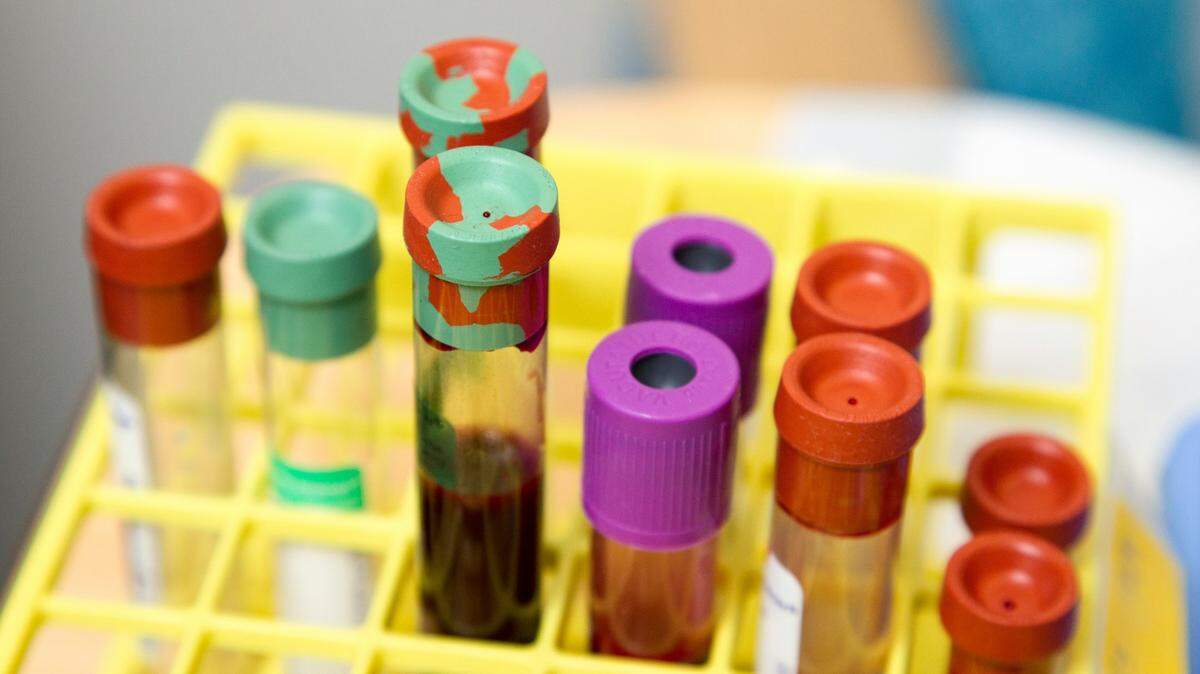
Dracula. Edward Cullen. Morbius. Count von Count. Microscopic single-celled organisms?
Team Vampire may have a new member after a group of researchers found some bacteria have a “thirst for human blood,” according to a new study.
Scientists, led by Washington State University researchers, studied some of the world’s deadliest bacteria, and their work was published as a “reviewed preprint” article in the journal eLife on April 16. Preprint studies have not completed the peer review process and may still be edited before final publication.
“Bacteria infecting the bloodstream can be lethal,” Arden Baylink, corresponding author and professor at Washington State University’s College of Veterinary Medicine said in an April 16 news release. “We learned some of the bacteria that most commonly cause bloodstream infections actually sense a chemical in human blood and swim toward it.”
Those chemicals are found in serum, or the liquid of your blood that is left after blood cells and platelets are removed, according to the study.
The scientists studied a family of bacteria, Enterobacteriaceae, that are known to cause gastrointestinal infections, leading to bleeding in the gut and sepsis, particularly among those who have inflammatory bowel diseases.
These included Salmonella enterica, Escherichia coli and Citrobacter koseri. Salmonella and E.coli can cause food-poisoning symptoms, or worse gastrointestinal distress, and C. koseri is a common cause of urinary tract infections.
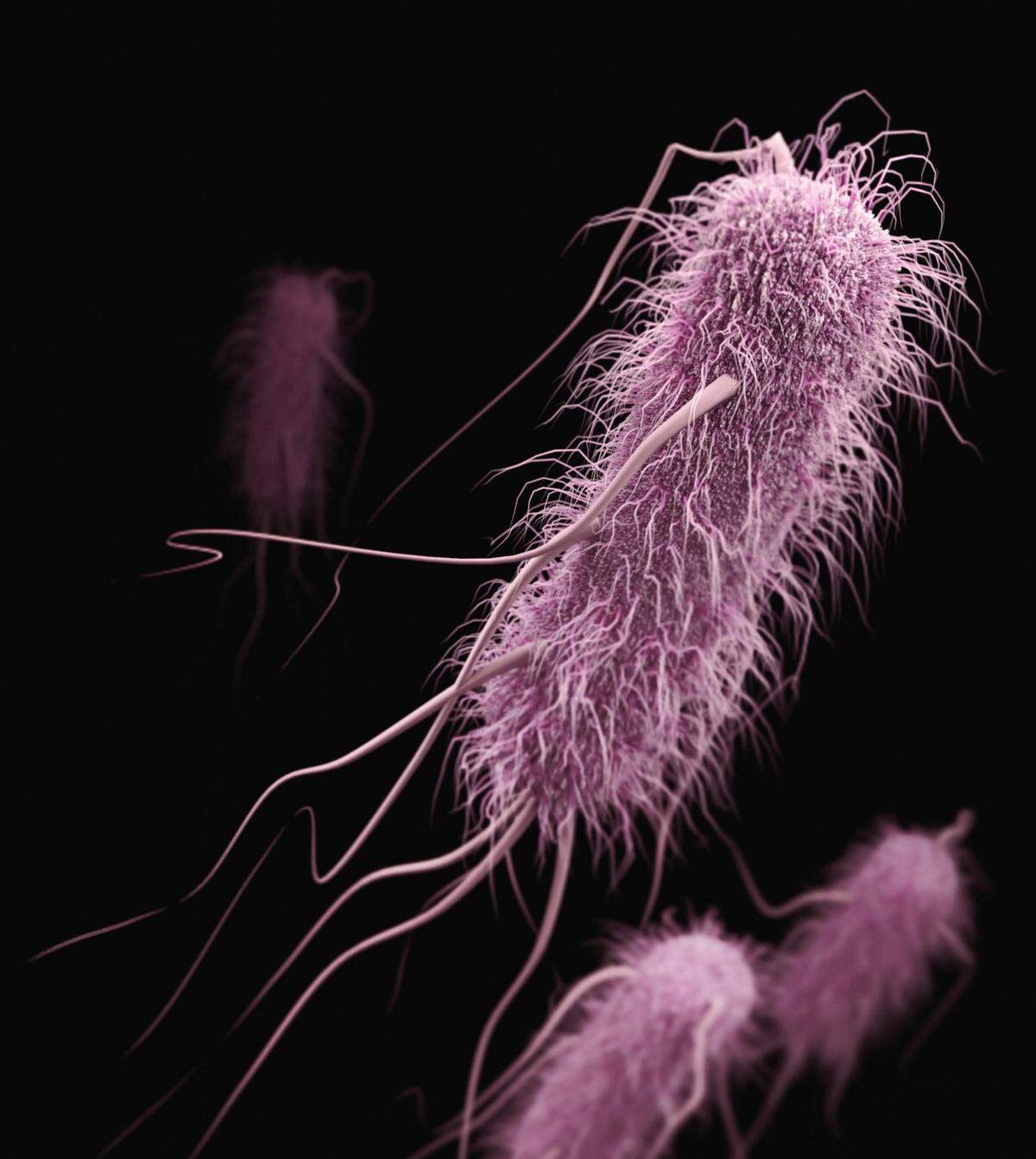
“Using a high powered microscope system … the researchers simulated intestinal bleeding by injecting microscopic amounts of human serum and watching as the bacteria navigated toward the source,” according to the release. “The response is rapid — it takes less than a minute for the disease-causing bacteria to find the serum.”
Bacteria use “chemosensory systems” to navigate their environment as microscopic creatures, according to the study. That means that they rely solely on reading the chemicals that surround them to move in the human body.
Bacteria also stay alive in the body by consuming proteins, amino acids and sugars. Most of the time this is completely harmless, or even helpful. “Good” bacteria is plentiful on your skin and in your gut, and they help to maintain a healthy microbiome by breaking down food and preventing “bad” bacteria from growing.
When some of that bad bacteria gets past your body’s natural defenses, it can cause serious illness.
Each of these infections can cause internal bleeding, whether in the GI tract or urinary tract, which opens the door for bacteria to leave the area of infection and enter the bloodstream, according to the study.
Once in the blood, the bacteria can spread to other parts of the body, sometimes fatally.
Now, the researchers know these bacteria don’t just jump to the bloodstream out of proximity — the bacteria seeks blood out as a way to stay alive in the body.
They are calling the behavior “bacterial vampirism,” and there may be other species of bacteria capable of the same thing.
“By learning how these bacteria are able to detect sources of blood, in the future we could develop new drugs that block this ability. These medicines could improve the lives and health of people with (inflammatory bowel diseases) who are at high risk for bloodstream infections,” lead author and Ph.D. student Siena Glenn said in the release.
This story was originally published April 22, 2024 at 9:25 AM with the headline "Vampire bacteria — that cause deadly infections — ‘thirst’ for your blood, study says."