
‘Breathtaking’ satellite images show cyclone hurling storms at the West Coast. See them
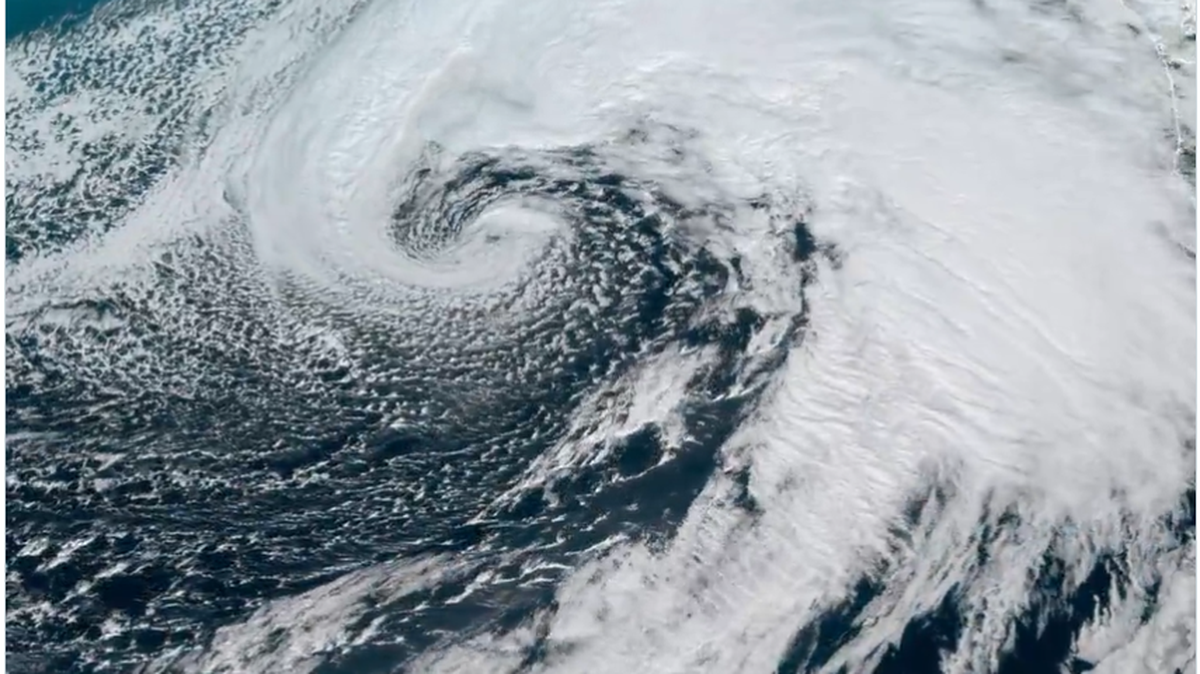
The images are an animator’s dream – and a West Coaster’s nightmare.
An enormous cyclone was hurling stormy weather at the West Coast on Jan. 30, and the massive white twister was seen in satellite images from space. The images made it to social media.
“That is one, beautiful, gnarly monster out there,” said weather specialist Tom Niziol in a post on X, formerly known as Twitter.
Storm-chaser Colin McCarthy called the view “breathtaking” in another post.
“Jupiter’s got nothing on Earth when it comes to views from space,” said Niziol.
The images illustrate the inception of what meteorologists call an atmospheric river.
According to the National Oceanic and Atmospheric Administration, atmospheric rivers refer to long, narrow pockets in the atmosphere that can be thought of as “rivers in the sky.” These rivers transport water vapor.
“The average atmospheric river carries an amount of water vapor roughly equivalent to the average flow of water at the mouth of the Mississippi River,” NOAA said. “Exceptionally strong atmospheric rivers can transport up to 15 times that amount. When the atmospheric rivers make landfall, they often release this water vapor in the form of rain or snow.”
According to experts, this atmospheric river will impact the western U.S. over the next few days. The West Coast is now bracing for days of rain and potential flooding and mudslides.
Floods are the most common natural disaster in the U.S., according to the Department of Homeland Security. They can develop both slowly and quickly, and flash floods can come without warning.
If you’re under a flood warning or are experiencing flooding, officials say you should follow these steps to help keep you safe:
Find safe shelter immediately.
Don’t walk, swim or drive through floodwaters.
Stay off bridges over fast-moving water.
Stay in your car if it’s trapped in rapidly moving water, or go on the roof if the water is rising inside the vehicle.
Evacuate if told to do so. Listen to local responders.
Move to higher ground or if you’re trapped in a building, move to the highest possible level.
Only get on your roof if necessary, and don’t climb into a closed attic.
This story was originally published February 1, 2024 at 11:59 AM with the headline "‘Breathtaking’ satellite images show cyclone hurling storms at the West Coast. See them."