Fossils of 73-million-year-old tiny ‘ice mouse’ unearthed in Alaska. ‘A fitting title’
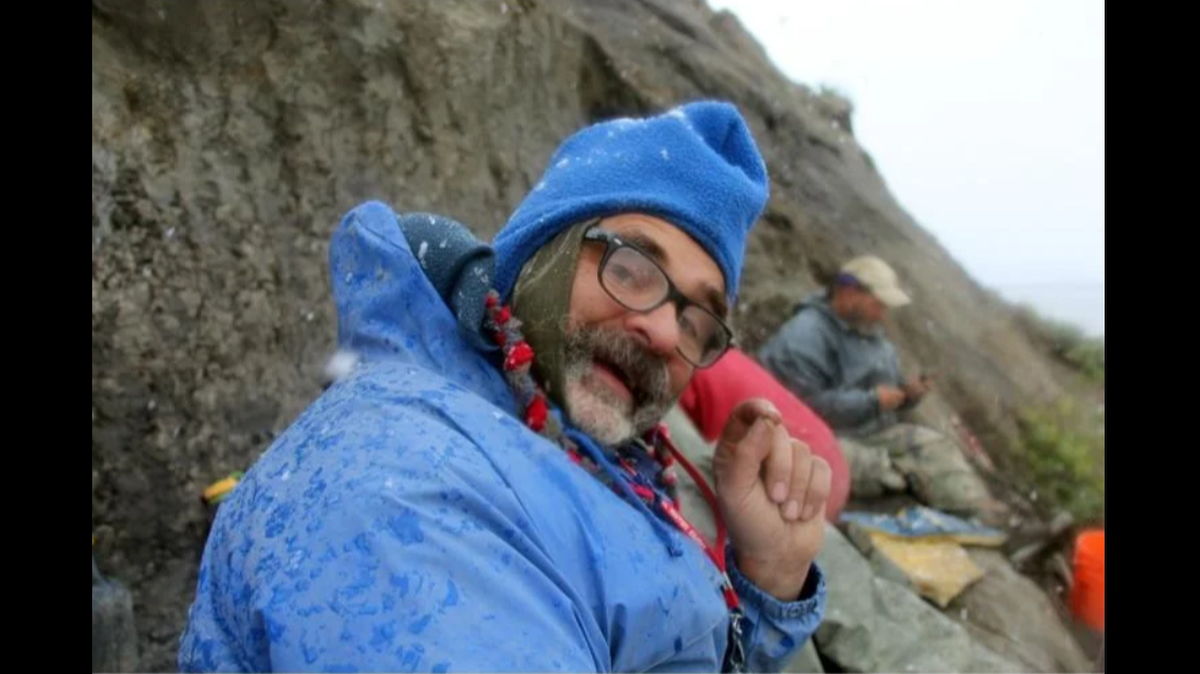
Fossils of a tiny “ice mouse” have been found “at the ends of the Earth” in remote Northern Alaska, according to a Colorado university.
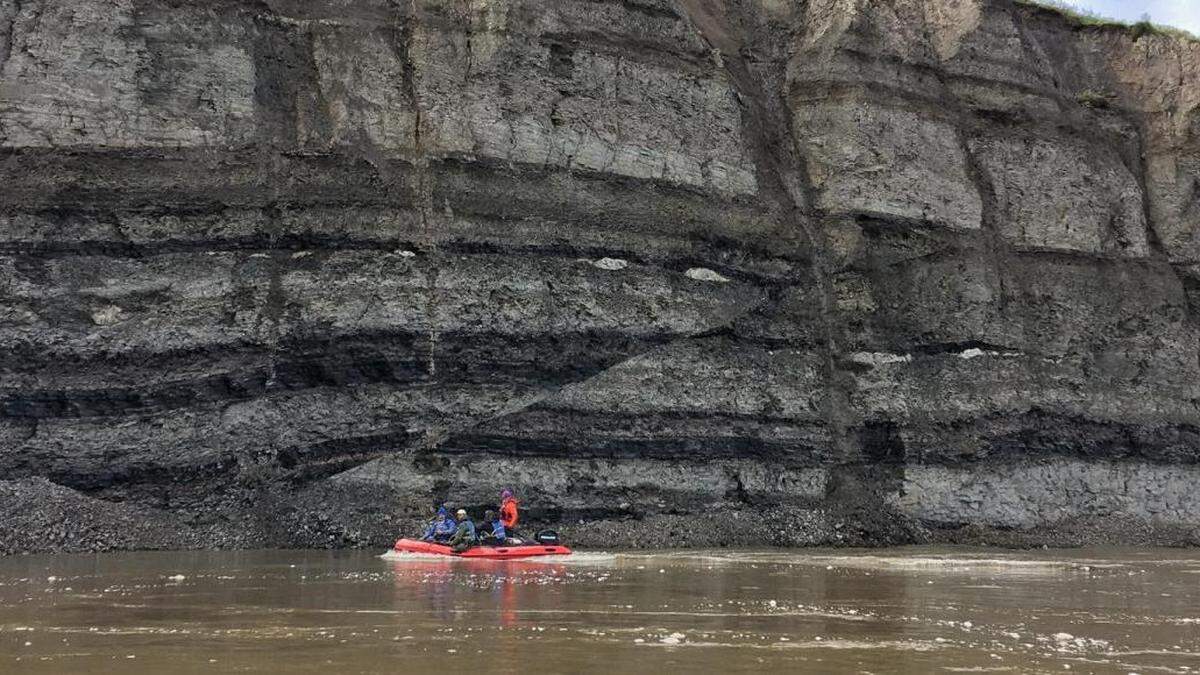
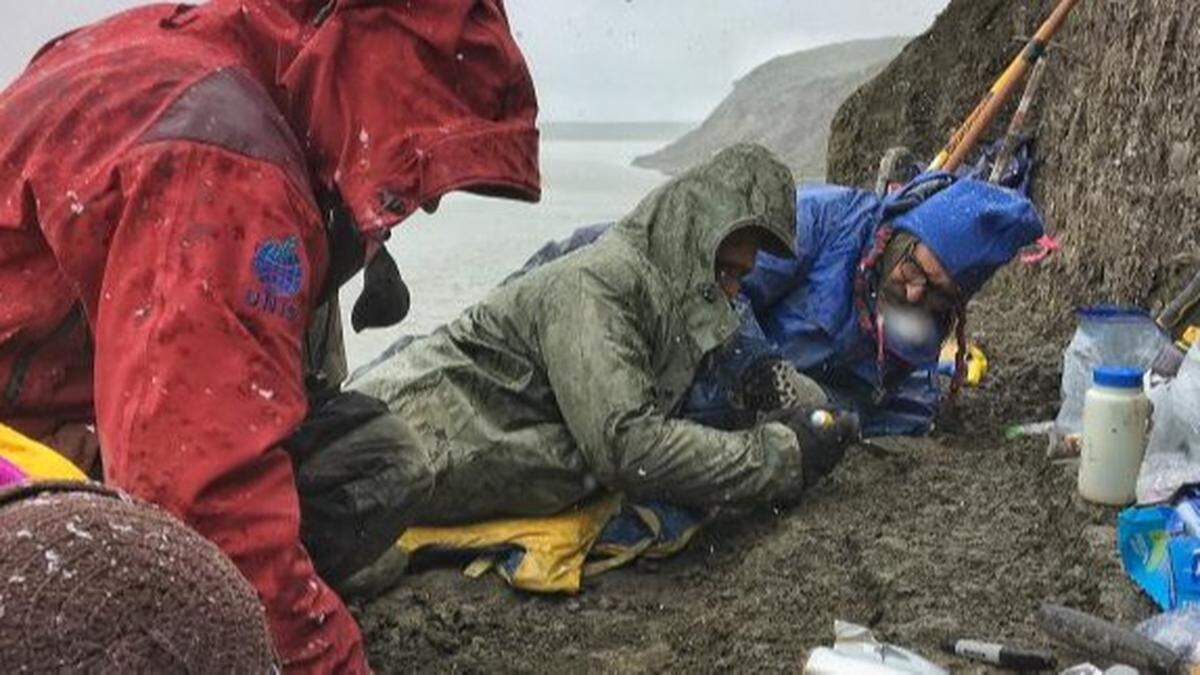
Researchers found fossils of the “furry critter,” which lived 73 million years ago, along the Colville River, the University of Colorado Boulder said in an Aug. 10 news release.
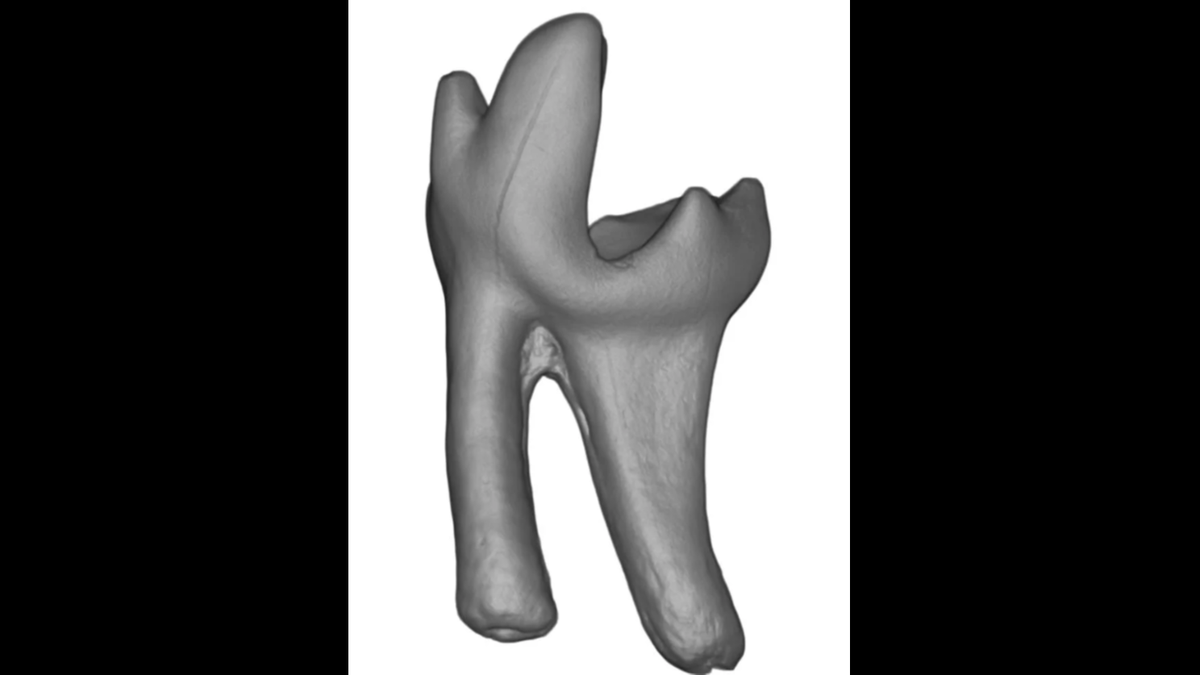
They were able to identify the new species using “a handful of tiny teeth, each about the size of a grain of sand,” the university said.
“I always like working at the ends of the Earth,” Jaelyn Eberle, a paleontologist with the university, said in the release. “You never know what you’re going to find, but you know it’s going to be new.”
‘A fitting title’
The university said researchers named the newly discovered species Sikuomys mikros — “‘Siku,’” an Iñupiaq word for ‘ice,’ and ‘mys’ and ‘mikros,’ the Greek words for ‘mouse’ and ‘little.’” The Iñupiat are Indigenous people of Northern Alaska and even farther north.
“It’s a fitting title,” the university said. “While the little ice mouse wasn’t actually a mouse, instead belonging to a now-extinct family of mammals called Gypsonictopidae, it was certainly tiny.”
The species, which looked similar to a modern-day shrew, is estimated to have weighed less than an empty can of soda, or less than a half an ounce, and lived year-round, according to the university.
“These guys probably didn’t hibernate,” Eberle said. “They stayed active all year long, burrowing under leaf litter or underground and feeding on whatever they could sink their teeth into, probably insects and worms.”
Eberle, the lead author on the team’s findings published in the “Journal of Systematic Palaeontology,” believes the creature’s minuscule size was because of the lack of food sources available in Alaska’s winters, according to the university.
“We see something similar in shrews today,” she said. “The idea is that if you’re really small, you have lower food and energy needs.”
During the cold months, the university said the critter may have spent its time underground.
This “subterranean lifestyle may have been a blessing for animals like the ice mouse,” according to the university, as it gave such species a better chance of survival in the harsh conditions following “the meteorite crash that killed the dinosaurs 66 million years ago.”
‘A new window’
Though tiny, the new species offers “a new window into ancient Alaska,” according to study co-author Patrick Druckenmiller.
The ecosystem in which these critters thrived 73 million years ago was “unlike any on Earth today,” Druckenmiller said.
“It was a polar forest teeming with dinosaurs, small mammals and birds,” Druckenmiller said. “These animals were adapted to exist in a highly seasonal climate that included freezing winter conditions, likely snow and up to four months of complete winter darkness.”
This story was originally published August 11, 2023 at 1:54 PM with the headline "Fossils of 73-million-year-old tiny ‘ice mouse’ unearthed in Alaska. ‘A fitting title’."