Bobcat dies after being first wild mammal to test positive for avian flu in California
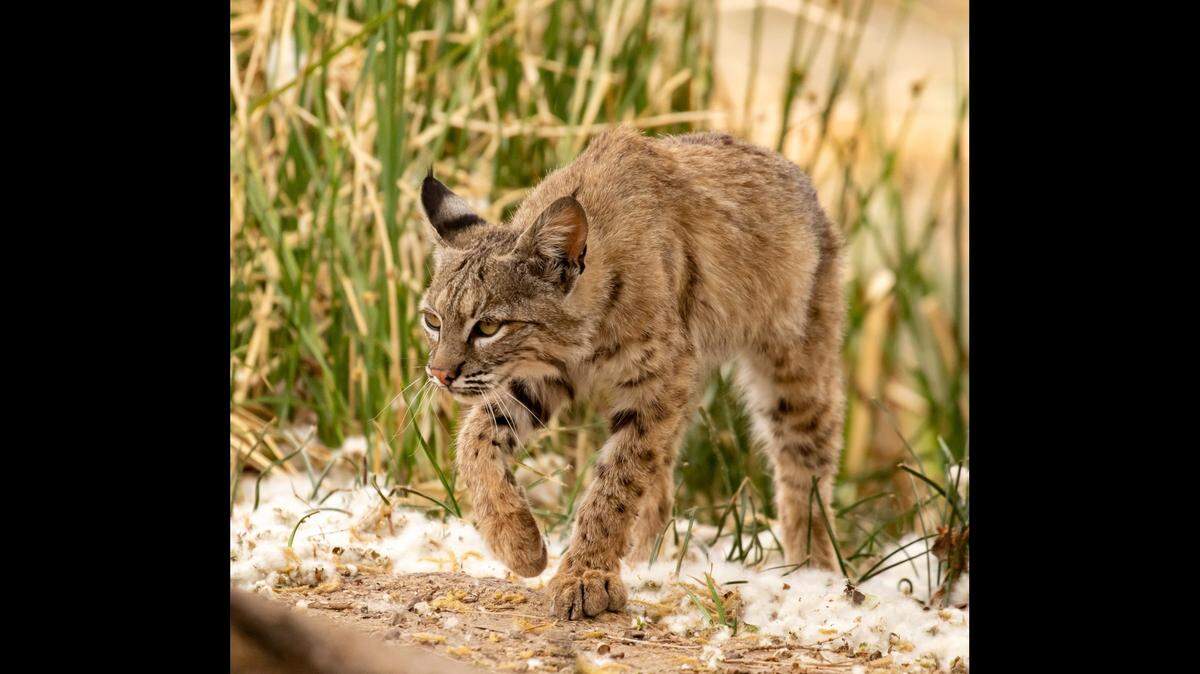
An adult bobcat died from the bird flu, making it the first wild mammal in California to test positive for the virus, wildlife officials said.
The animal’s remains were tracked to Butte County in Northern California through its GPS collar when it stopped moving, the California Department of Fish and Wildlife said in a Wednesday, Feb. 15, news release.
Wildlife officers found its remains on Dec. 23, and samples were given to the California Animal Health and Food Safety Laboratory System for testing, the release said.
The U.S. Department of Agriculture’s National Veterinary Services Laboratories confirmed the Eurasian strain of the avian flu in the dead bobcat on Jan. 24. Its remains were found in an area where the virus had been identified in a turkey vulture.
Where else has the flu been detected?
A “well-adapted” version of the highly pathogenic avian influenza virus has been spreading through birds and poultry in the U.S. since January 2022, according to the Centers for Disease Control and Prevention.
Since then, more than 58 million birds have been impacted by outbreaks in 47 states, the federal agency said.
“The strain of H5N1 currently circulating in the U.S. and Canada has been causing illness and death in a higher diversity of wild bird species than during previous avian influenza outbreaks,” the release said.
Some of these species include turkey vultures and ravens. Animals are exposed to the bird flu when they eat infected birds, officials said.
The avian flu was first detected in California wild birds in July 2022, officials said. Now the virus has spread to wild birds in 44 of the state’s 58 counties, including domestic birds in 18 counties.
Officials, however, said the infection of wild mammals “appears to be relatively rare.”
The strain has been found in other mammals in the U.S. and Canada, including bears, foxes, raccoons and skunks.
The virus (and inflation) has also added to the price jump in eggs, McClatchy News reported.
Can the virus spread to humans?
There have been seven cases in the world “associated with poultry exposures during this outbreak,” the CDC reported. And only one of those cases has been in the U.S.
Wildlife officials said there is a low risk of the virus spreading from animals to humans but warned the public to take precautions when handling wildlife if it can’t be avoided completely.
Precautions include wearing gloves and face masks and washing hands.
Reports of any “unusual or suspicious dead wild birds” can be made online to the California Department of Fish and Wildlife.
This story was originally published February 16, 2023 at 2:27 PM with the headline "Bobcat dies after being first wild mammal to test positive for avian flu in California."