
First human case of H5 bird flu in US found in Colorado man. How experts are reacting
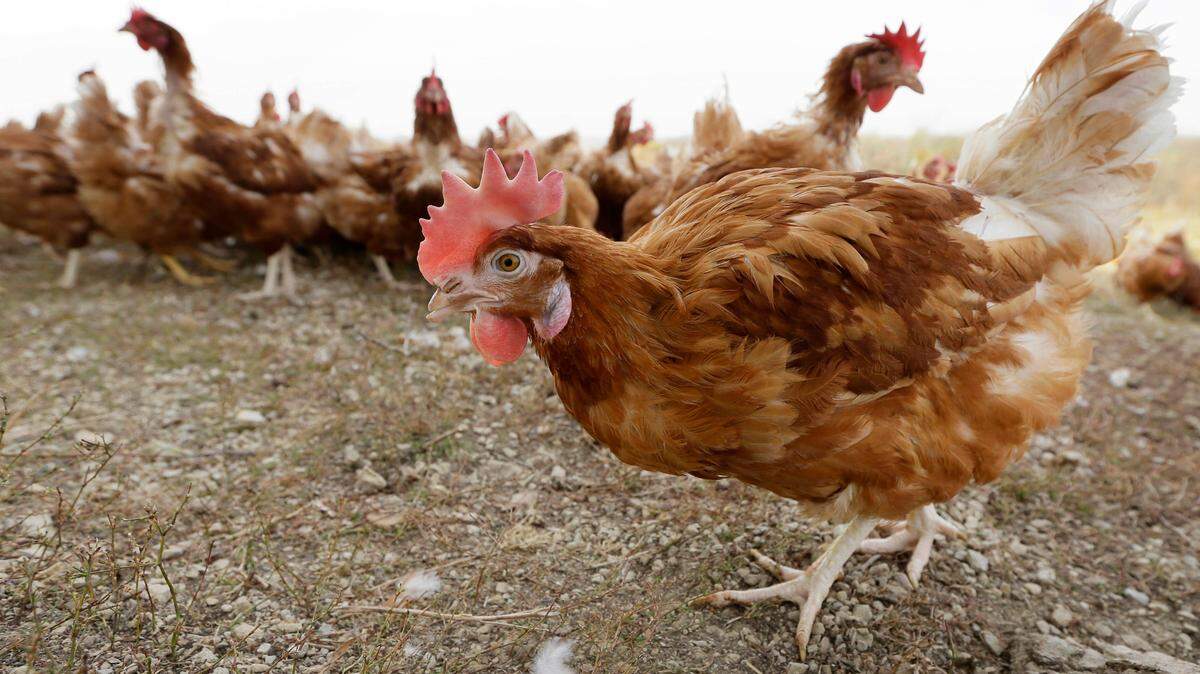
As bird flocks in the nation battle illness, the first human case of the H5 bird flu — avian influenza A(H5) virus — in the U.S. was detected in a Colorado man, the Centers for Disease Control and Prevention said on Thursday, April 28.
His positive test result was confirmed by the agency on April 27 following his work at a farm where he was in direct contact with infected poultry in Montrose County, according to a news release from the Colorado Department of Public Health and Environment.
“This is the second human case associated with this specific group of H5 viruses that are currently predominant, and the first case in the United States,” a CDC statement said.
The bird flu outbreak has infected more than 35 million birds in the U.S., including egg-laying chickens, and has spread to 29 states as of April 29, according to the U.S. Department of Agriculture. A total of 160 commercial flocks and 87 backyard flocks have been affected after the first case of the outbreak was recorded Feb. 8 in a turkey flock in Indiana.
Here’s how experts are reacting to human case in Colorado.
Risk remains low
The Colorado man, described as younger than 40, is an inmate who was working with infected poultry “as part of a pre-release program,” state health officials said in the news release. A nasal test confirmed his infection.
Specifically, he helped cull, or depopulate, “poultry with presumptive H5N1 bird flu,” according to the CDC’s statement. It added that the infection was possibly caused by surface contamination but it can also occur “when enough virus gets into a person’s eyes, nose, or mouth, or is inhaled.”
“This case does not change the human risk assessment for the general public, which CDC considers to be low,” the agency said.
Colorado health officials emphasized how H5 flu viruses typically don’t spread among people and often only among wild birds and poultry, according to the news release.
Because of this, human bird flu virus infections are considered “rare,” the CDC says online.
A person is of “higher risk of infection” if their work or recreational activities expose them to infected bird flocks, the agency’s statement said.
The first human case of bird flu connected to the viruses currently spreading through flocks was recorded in the United Kingdom in December, the CDC noted.
“More than 880 human infections with earlier H5N1 viruses have been reported since 2003 worldwide, however, the predominant H5N1 viruses now circulating among birds globally are different from earlier H5N1 viruses.”
Others involved in culling infected poultry in Colorado have tested negative for the virus but are getting retested as a precaution, according to the CDC.
Symptoms of bird flu in humans
The Colorado man reported fatigue as a symptom of his bird flu infection and has recovered from the illness, according to the CDC and the Colorado Department of Public Health and Environment.
He’s getting treated with tamiflu, the antiviral medication oseltamivir, as prescribed by the CDC, the state department of public health and environment said in its news release.
In the U.K., the person infected with bird flu was asymptomatic, according to the World Health Organization.
Other symptoms of bird flu in humans, according to the Occupational Safety and Health Administration:
fever
cough
sore throat
muscle aches
nausea, vomiting and diarrhea
abdominal pain
eye infections
breathing issues, including pneumonia
Symptoms can range from asymptomatic, mild to severe, the CDC’s statement said. Severe cases can potentially lead to death.
Human infections can occur if a person is around infected birds for a prolonged period without proper protection or if they come into contact with their mucus, saliva or feces, the agency says.
“CDC will continue to watch this situation closely for signs that the risk to human health has changed.”
This story was originally published April 29, 2022 at 10:49 AM with the headline "First human case of H5 bird flu in US found in Colorado man. How experts are reacting."
.jpg)