Baby turtles are full of plastic, study finds. Here’s why — and what effect it has
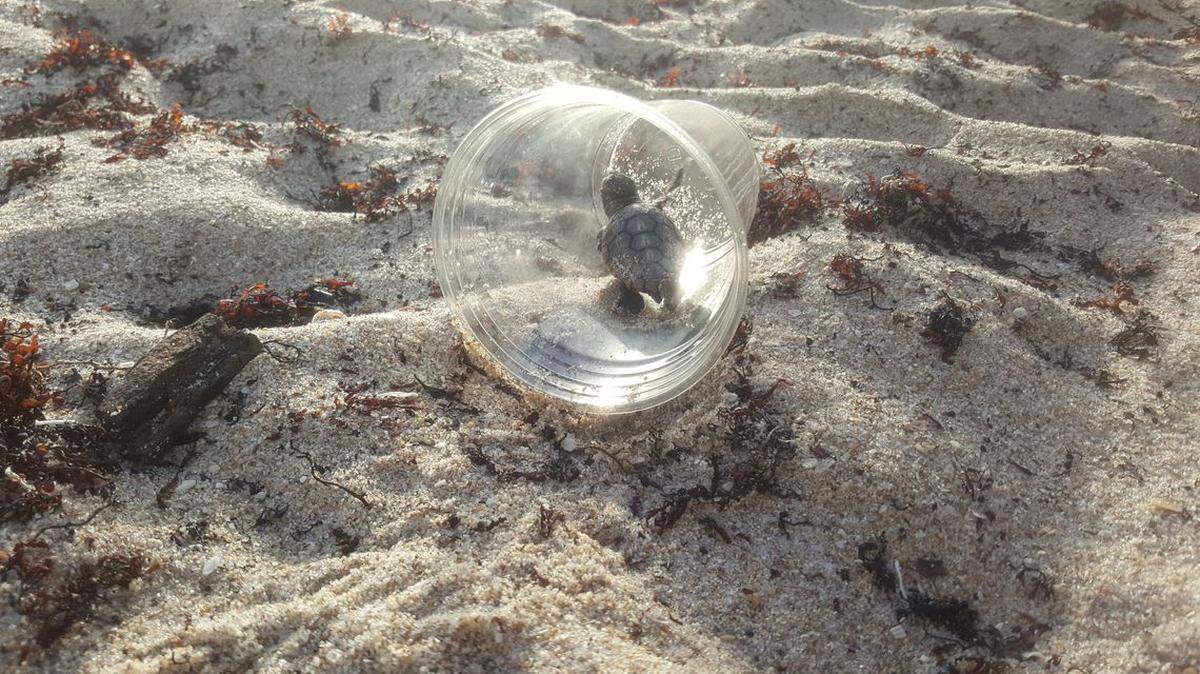
After baby turtles hatch, they wait until night before making the journey from their shells to the water to avoid predators.
But there’s another danger lurking in the water. And it’s one turtles haven’t adapted to yet.
Millions of tons of plastic debris pours into the oceans every year where marine life often mistake it for food. These plastics come from items like plastic grocery bags or synthetic textiles and from fishing gear like ropes and nets.
Baby turtles are particularly vulnerable to the life-threatening impacts of plastic.
In fact, baby turtles can be filled with plastic fragments, according to a study published in Frontiers in Marine Science on Monday. All turtle species have now been found with plastic in their bodies.
The study looked at the stomach contents of five turtle species found in both the Pacific and Indian Oceans. One young green turtle was found “emaciated” and with stomach ulcers — with 343 plastic pieces in its body.
Another turtle had ingested 144 pieces, according to the study.
“Juvenile turtles have evolved to develop in the open ocean, where predators are relatively scarce,” Dr. Emily Duncan, lead author of the study said in a news release. “However, our results suggest that this evolved behavior now leads them into a ‘trap’ — bringing them into highly polluted areas such as the Great Pacific Garbage Patch.”
The researchers from Australia and England said plastic ingestion is linked to death in marine animals, but they could not say it directly caused death because of a lack of research. However, a million seabird deaths and 100,000 other sea mammal deaths are reportedly due to plastic ingestion each year, according to the United Nations Ocean Conference in 2017.
Young turtles are “most at risk” to the life-threatening impacts of plastic ingestion because they feed in areas of high plastic pollution and they have higher chances of getting entangled in debris, the study said.
Oftentimes, the animals cannot distinguish the difference between plastic and food. When they do eat plastic, the study said it can lead to “reduced energy and growth” as well as damaging the “gastrointestinal tract, cloaca and bladder in some specimens.”
Sea turtles found in the Pacific Ocean had higher levels of plastic than those found in the Indian Ocean. And the types of plastic found varied. The main plastic polymers found in the animals were polyethylene and polypropylene.
“These polymers are so widely used in plastic products that it’s impossible to pin down the likely sources of the fragments we found, so interventions are needed to stop plastic pollution from land-based sources,” Duncan said.
Duncan said their next steps are to learn how “plastic ingestion affects the health and survival of these turtles.”
This story was originally published August 2, 2021 at 6:40 PM with the headline "Baby turtles are full of plastic, study finds. Here’s why — and what effect it has."