
Babytalk | Be kind to your gall bladder. It could make a big difference to your pregnancy
Pregnancy is both normal and physically challenging for a woman’s body. The healthier you are going into the pregnancy impacts your health while pregnant. Over the last few decades there has been much published about the impact of pre-pregnancy weight, controlled diabetes, and other health conditions on not only the health of the mother but also the baby.
We have been seeing a spike in the cases of gall bladder problems during pregnancy and post pregnancy.
The gall bladder is one of the unsung heroes of the human body. The mechanics of how our body breaks down foods, digests and nourishes our bodies is truly fascinating and amazing. When one of the steps in the digestion processes quits functioning correctly the whole system is impacted.
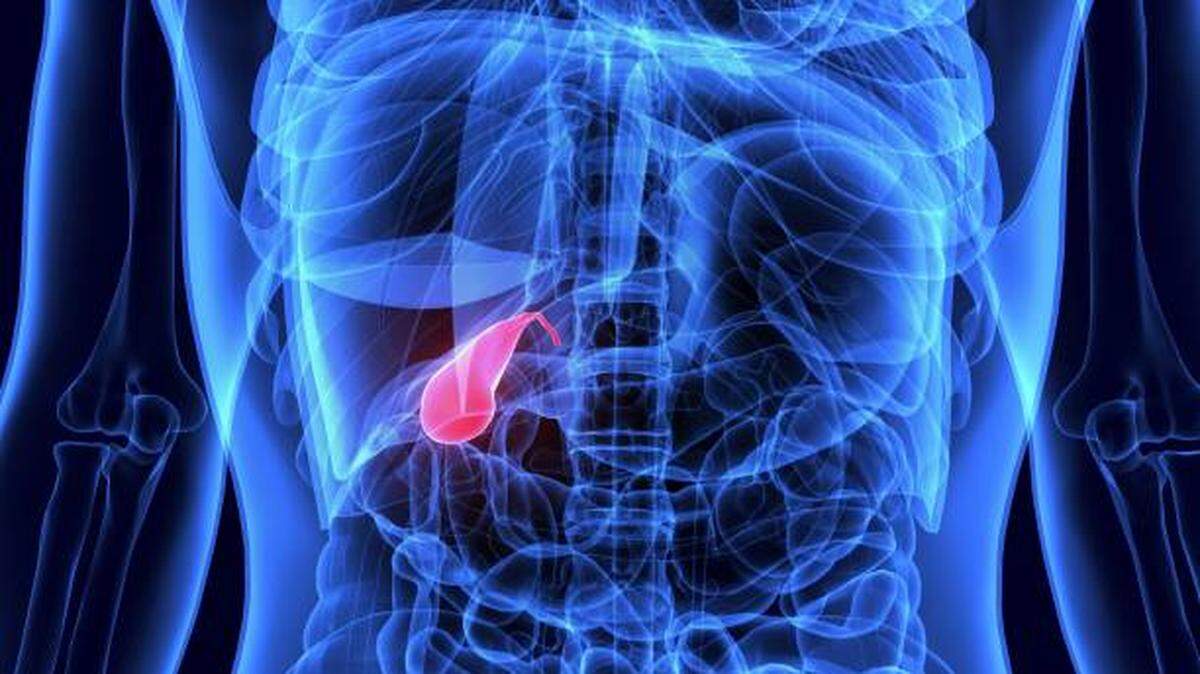
The gall bladder is a pear shaped sac located beneath the liver. The purpose of the gall bladder is to store bile which has been made by the liver. Bile is a yellow-green, thick, sticky fluid which breaks down fats into fatty acids. The liver produces about 500 to 600 milliliters of bile each day. So one may think about the gall bladder as the liver’s helper. You can live without a gall bladder, but you cannot live without a liver. Even organs need friends and are lonely without them.
The bile is a composed of salts, water, copper, cholesterol and pigments. Between meals, bile salts stored in the gall bladder and a small amount of bile flow into the intestine. When we eat food, as the food enters the first part of the intestine, the duodenum, hormonal and nerve signals prompt the gall bladder to contract and release bile. The bile then flows into the duodenum and mixes with food, stomach acids, and digestive fluids from the pancreas. This process allows the intestine to absorb nutrients into your blood stream. Bile also is responsible for cleansing the body of destroyed blood cells and excess cholesterol.
If bile contains too much cholesterol, or doesn’t empty properly, the gall bladder can form deposits, also known as stones or gall stones.
During pregnancy a woman has increased production of several hormones. The two most dominant are estrogen and progesterone.
Estrogen increases cholesterol production. The growing baby needs this extra cholesterol for growth of several organs. Most importantly the brain. However this extra cholesterol can put a strain on the gall bladder.
Progesterone is a necessary hormone to keep one pregnant. Women low in progesterone have difficulty completing a pregnancy. However progesterone causes muscular tissue throughout the body to relax. This can cause a slowing down of the release of bile from the gall bladder.
The good news is gall stones have no direct effect on the growing baby. And many people with gall stones have no symptoms. The problem arises when the gall stones make it difficult to eat and process food. This impacts a mother’s ability to pass along adequate nutrition to her baby.
In severe cases when the gall bladder becomes inflamed or infected then it can affect the baby. Gallstone disease during pregnancy has been associated with an increased risk of preterm labor. When a baby is born preterm, or premature, the baby will need special care by a NICU (Newborn Intensive Care Unit) team. It also means a longer stay in the hospital for the baby.
Be kind to your gall bladder. One of the ways to be kind to your gall bladder is to use monounsaturated fats. These are found in olive oil, canola oil, peanut oil, safflower oil and sesame oil. Butter, in moderation, is also a gall bladder friendly fat. Eat a high fiber diet, cut back on sugar and other refined carbohydrates and if you have diabetes maintain a healthy blood sugar level.
Be kind to your gall bladder and your liver and gall bladder will be kind to you.
Katie Powers, R.N., is a board-certified lactation consultant and perinatal educator at Manatee Memorial Hospital’s Family BirthPlace. Her column appears every other week in Healthy Living in the Bradenton Herald. Contact her at katie.powers@mmhhs.com.