
Manatee school district is struggling with paying its employees. Here’s what went wrong
A perfect storm led to a whirlwind of payroll and purchasing issues in the School District of Manatee County.
And despite an assurance that problems would not affect student learning, a statement made by district administrators earlier this summer, the school board’s chairman said the effects are being felt in classrooms.
A massive business management system was rolled out in the middle of hiring season, right after the district appointed a new superintendent and just before the start of a new school year. The software is still crippled by defects.
The changes intersected with an effort to raise employee salaries after voters approved a one-mill increase on property taxes in March.
In turn, some employees were shorted on their last paychecks. And problems with the new software, whether it be technical bugs or a lack of employee training, resulted in widespread problems with the ordering of school supplies and construction materials.
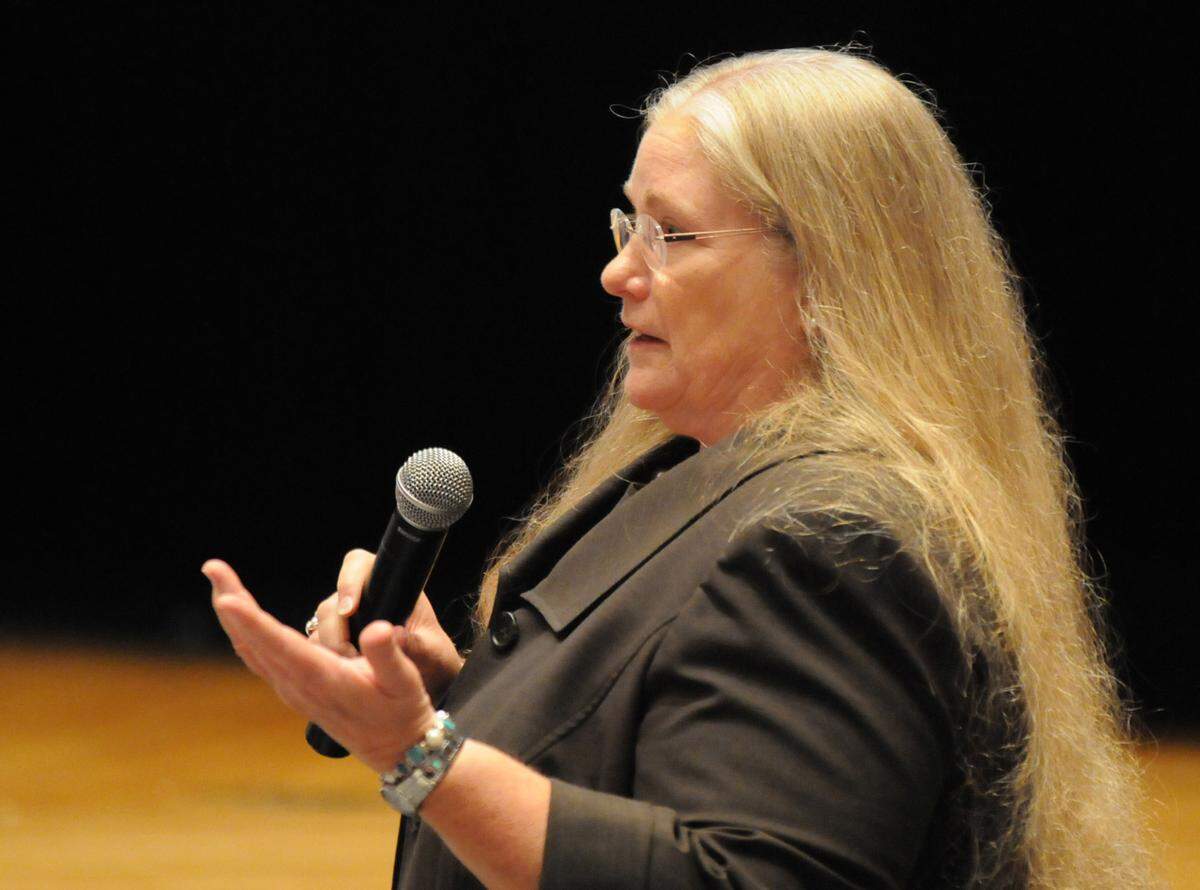
Pat Barber, president of the Manatee Education Association, said she is working with Superintendent Cynthia Saunders to address constant emails and phone calls from district employees.
“People who never even looked at their check before are calling me up and saying, ‘How do I understand my paycheck?’ ” Barber said.
Several employees returned from maternity leave and received little to no payment, she said, while others were never transferred to the new pay schedules.
For example, the pay for most teachers and paraprofessionals was adjusted to include an extra 15 minutes of work and a supplement from the tax referendum. Such changes should have appeared on last week’s paychecks.
Instructional staff should see $167 more on their pay stubs, which is 1/24 of the $4,008 supplement that teachers will receive throughout the year.
Other employees said a payment for benefits was never deducted from their paychecks.
“It didn’t affect their coverage, but it will affect their next payment,” Barber said. “You know, they will have to pay that and it will be a burden on them in the future.”
Barber recently joined the superintendent in sending out a joint message to staff, urging employees to report issues with their pay stubs. The district also created a six-page guide on how to read a paycheck in the new system.
“We are working to identify and correct any errors that impact the pay of employees and make sure that they receive the pay to which they are entitled,” it states.
Though pay schedules and hourly rates were adjusted to include an extended workday, the same adjustment was not done for a supplement given to employees who hold an advanced degree. The result was a lower pay rate for the affected employees.
Payments to certain employees were missing an “extracurricular supplement,” she said. A teacher might receive such payments if they coach a sport, head a club or do other work outside their regular duties.
Misconceptions also aggravated the situation. New teachers with a bachelor’s degree will receive $44,400 a year, which surpasses the starting salary in surrounding school districts. Some longtime employees believe the new salary outpaces their own.
But, according to Barber, the referendum supplement and time adjustment are already included in the new salary. The salary for existing employees is still higher with the added supplement and the adjustment for an extended workday.
Barber believes the confusion resulted from a mix of software issues, human error and poor timing.
“When you add it on to trying to start school and teach kids, it’s a whole bunch of aggravation,” she said.
It was a rocky start to the school year, but district officials said the problems were contained to business operations and would have no affect on students’ education.
But payroll issues could distract teachers, and ordering problems could mean a shortage of supplies for current and future schools, said Scott Hopes, chairman of the school board.
The district is building three new schools to alleviate overcrowded campuses, and about 400 construction invoices were recently unpaid because of software complications, Hopes said.
The purchasing department is also struggling to submit orders and to release existing supplies from their warehouses.
“I found out last week that, indeed, these system failures are now hitting the classroom,” Hopes said.
Citing past problems in the district, including unbalanced checkbooks and accidental payments to former employees, he said changes are long overdue.
Hopes, who faces his first election campaign after Gov. Rock Scott appointed him to the board last year, said employees need a complex understanding of the district’s complex problems.
“You can’t take bad practices and apply them to a new system and expect to have an improved outcome,” he said.
He believes progress was partially hindered by constant turnover and a chaotic school board.
Board members were distracted by the proposed renaming of a high school and arguments over the Citizens’ Financial Advisory Committee, two issues that were already decided in past votes, Hopes said.
He also pointed to former Superintendent Diana Greene, who left to lead Duval County schools, and Deputy Superintendent Ron Ciranna, who is on paid administrative leave pending an investigation into the software implementation.
Hopes said they were among other administrators who neglected to plan ahead.
“You run the old system at the same time you’re running the new system so that you’ve got a fallback, and that was not done,” he said. “That is failed leadership.”
He and Saunders met with Ciber, the software vendor, to reach a solution last week. The company agreed to fix remaining defects in the software within two months.
Ciber was tasked with implementing PeopleSoft, the business management system. Hopes said it’s a quality product that was tainted by a lack of extensive training or planning.
“These things can be resolved, it just takes a deliberate approach,” he said.
This story was originally published September 5, 2018 at 5:56 PM.