
Florida House votes to revive state death penalty in compromise deal with Senate
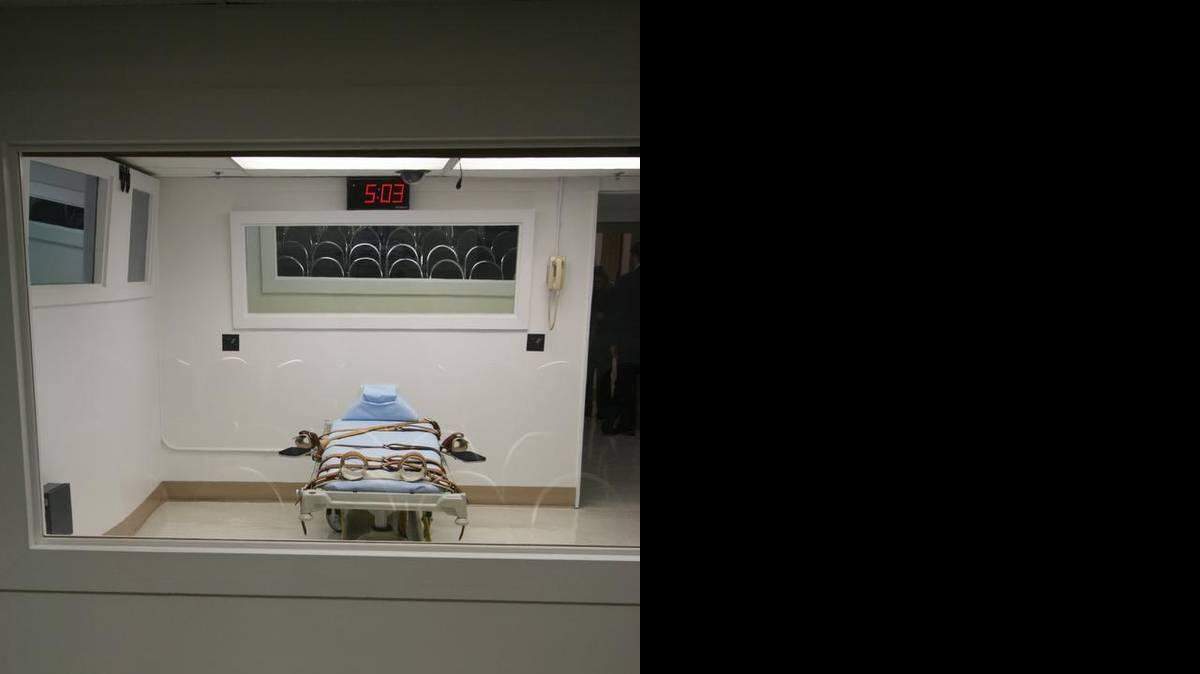
TALLAHASSEE -- The Florida House passed a bill Thursday intended to bring back the state death penalty, which has been on hold since last month.
Under a rewrite of state death-penalty laws, juries would sentence convicted killers to death rather than recommending the sentence to a judge. That policy prompted the U.S. Supreme Court to declare Florida's sentencing rules unconstitutional last month.
As part of a deal struck with state senators, a death sentence would also require a 10-2 jury vote and unanimous agreement that aggravating factors outweigh mitigating factors to justify a death sentence.
The issue was forced to the top of lawmaker priorities Jan. 12, when the Supreme Court issued its ruling in Hurst v. Florida on the first day of the legislative session. Without rewriting the laws, death sentences cannot go forward in the state.
"There are some cases which, in my opinion, warrant the death penalty," said state Rep. Charles McBurney, R-Jacksonville, a former prosecutor who negotiated details of the plan with the Senate. "This bill, which admittedly is a compromise, ensures that remedy can be used in the very rare cases when it should be applied."
Lawmakers voted 93-20 on the legislation (HB 7101). Many opponents voted against the fix because they viewed it as supporting the death penalty.
"This bill is cloaked in procedure but soaked in a hateful policy," said state Rep. Darryl Rouson, D-St. Petersburg.
For nearly two hours, lawmakers debated the issue, with many saying it was among the most difficult votes they will take as lawmakers.
State Rep. Larry Lee, D-Port St. Lucie, said he struggled with how to vote because his sister was murdered when he was 26 years old.
"For a long time, I wanted to kill that guy," Lee said.
The man convicted of the murder ultimately died of a heart attack, but Lee said even 40 years later he still feels the pain of his family's loss.
"But I also think on the other side, not just about me and my family's suffering but about the family of those people who may have been put to death who are innocent," he said.
Supporters of the measure such as state Rep. Carlos Trujillo, R-Miami, said there would be even greater safeguards in place to prevent innocent people from being executed under changed death-penalty laws.
Juries would still have to find a person guilty by a unanimous vote, and they would now have to agree unanimously to at least one aggravating factor.
Many supporters said as difficult as it is to support executions, they see it as the Legislature's responsibility to ensure that the death penalty can continue in Florida.
"I don't like having to decide to take someone's life, but I think the government, the state, in the name of justice has to make that call," said state Rep. Dennis Baxley, R-Ocala.
The Senate still must vote on the legislation before it is sent to Gov. Rick Scott for his signature or veto.
State Sen. Rob Bradley, R-Fleming Island, who negotiated the agreement with McBurney, said he anticipates the Senate will pass it.
Scott is a strong supporter of the death penalty and has authorized more executions than any governor since the death penalty came back into use in the 1970s.
"It's clear that the judicial system is on hold until there is a death-penalty bill passed," Bradley said. "And so we owe it to the victims' families and the victims to produce a death-penalty statutory scheme so that those cases can move forward, and we're going to do it."
Herald/Times reporter Steve Bousquet contributed to this report.
This story was originally published February 18, 2016 at 12:00 AM with the headline "Florida House votes to revive state death penalty in compromise deal with Senate ."