
Manatee History Matters: Louisa Wyatt Ware Tresca, a resilient woman
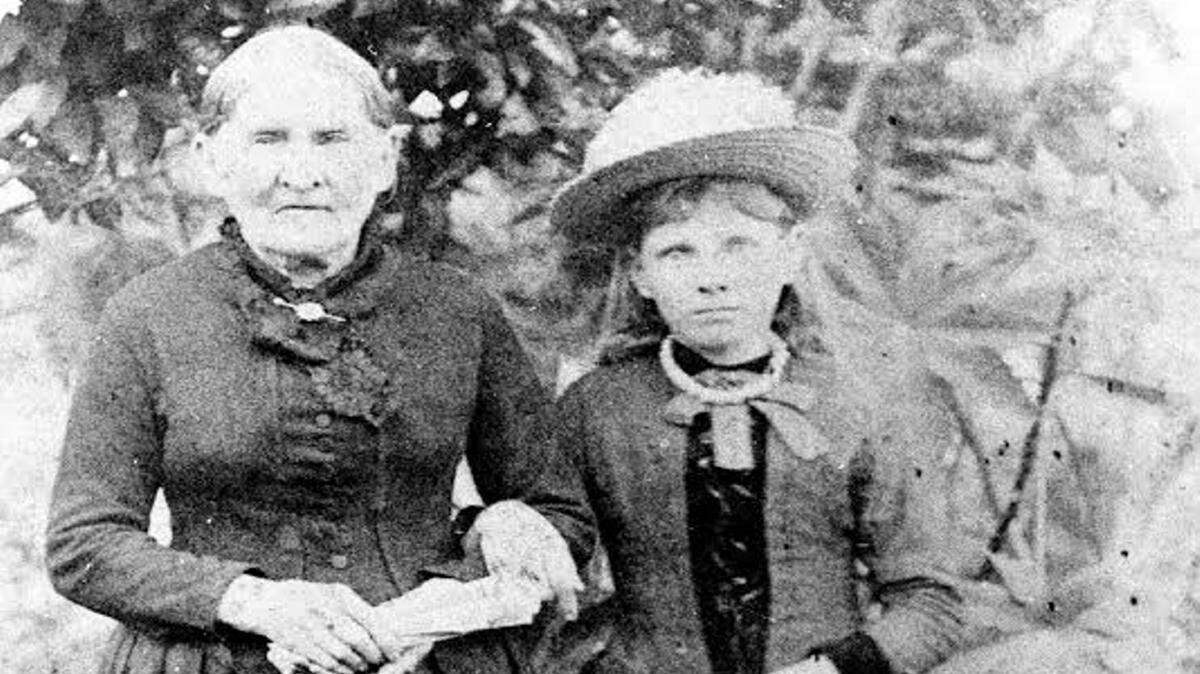
Louisa Wyatt Ware came to Manatee with her husband, Elbridge Ware, in 1845. They came when Louisa's father, Col. William Wyatt, relocated their family to the area from Tallahassee after a failed attempt to run for territorial governor of Florida.
While Col. Wyatt homesteaded in what is now East Bradenton between the Gates settlement and Braden Castle, Louisa and Elbridge settled on the banks of a little creek west of current downtown Bradenton. You will know this creek as Ware's Creek, named after Elbridge Ware and his settlement. Their home stood on the west bank of the creek, near the mouth.
Louisa's first year in Manatee was not easy. In 1846, a hurricane hit the community, blew most of the water out of the Manatee River and destroyed the Wares' home. In the midst of the storm, Louisa gave birth to her second child, Henry, reportedly under a table in their kitchen.
Shortly after the storm, Elbridge Ware left Louisa and their two children for business in Tallahassee. While there, Elbridge decided to go to Mexico with Gen. Zachary Tyler to fight in the Mexican
American War. Some reports say Elbridge caught a fever and died; another says he was killed in battle (although no notice was given to his widow). Yet an "Elbridge Ware" surfaces in Key West on a census just a few years later. Regardless, Elbridge never returned to Manatee.
Waiting to remarry
Even with two children to care for, Louisa waited seven years before remarrying -- a standard practice when proof of a spouse's death was unavailable. In 1853, Louisa married Frederick Tresca, an experienced sailor and the lighthouse keeper on Egmont Key. They had two children, William and Ugenia, and like the tumultuous birth of her first son, Henry, during the hurricane, William was born in October 1856 at Braden Castle while Louisa and many other Manatee settlers were barricaded there for protection from Seminole attacks. William was one of three babies born that fall in the crowded fortress.
Unfortunately, the excitement and worry did not end for Louisa with the end of the Seminole Wars. Fast forward to the end of the Civil War and the arrival of Confederate Secretary of State, Judah P. Benjamin, to Manatee; Frederick was called upon to help transport the fugitive to Bimini in the Bahamas. His vast knowledge of water trade routes made Frederick the perfect candidate to oversee the trip.
Louisa contributed to the escape by helping Ellen Clark McNeill sew Benjamin's gold into the seams of his clothing. Frederick returned safely and the two lived out their lives in Manatee. Louisa is buried in the 1850 Manatee Burying Grounds next to Manatee Village Historical Park.
Sarasota connection
Louisa's sister, Mary Jane, was courted by, and married, William Whitaker -- the "father" of Sarasota. Don't miss author Clarissa Thomasson's book talk, "Surviving Sarasota," at 1 p.m. Saturday in the 1887 Church at Manatee Village Historical Park.
In this free lecture, Thomasson will tell the story of Mary Jane and her husband, William Whitaker, who in 1851 braved the Florida wilderness to set up a homestead on a yellow bluff overlooking Sarasota Bay. Mary Jane, standing all of 4 feet, could shoot a turkey through the head at 100 yards with one bullet.
Attend this program to learn more about the award-winning author and the harrowing experiences faced, and survived, by this extraordinary couple.
Melissa Porter, education and volunteer coordinator for the Manatee Village Historical Park, enjoys sharing the past with students through hands-on activities and personal anecdotes from Manatee County's history. You can reach her at Melissa.porter@manateeclerk.com or 941-741-4076.
This story was originally published April 5, 2016 at 11:10 PM with the headline "Manatee History Matters: Louisa Wyatt Ware Tresca, a resilient woman ."