
Manatee History Matters: They're cow hunters, not boys
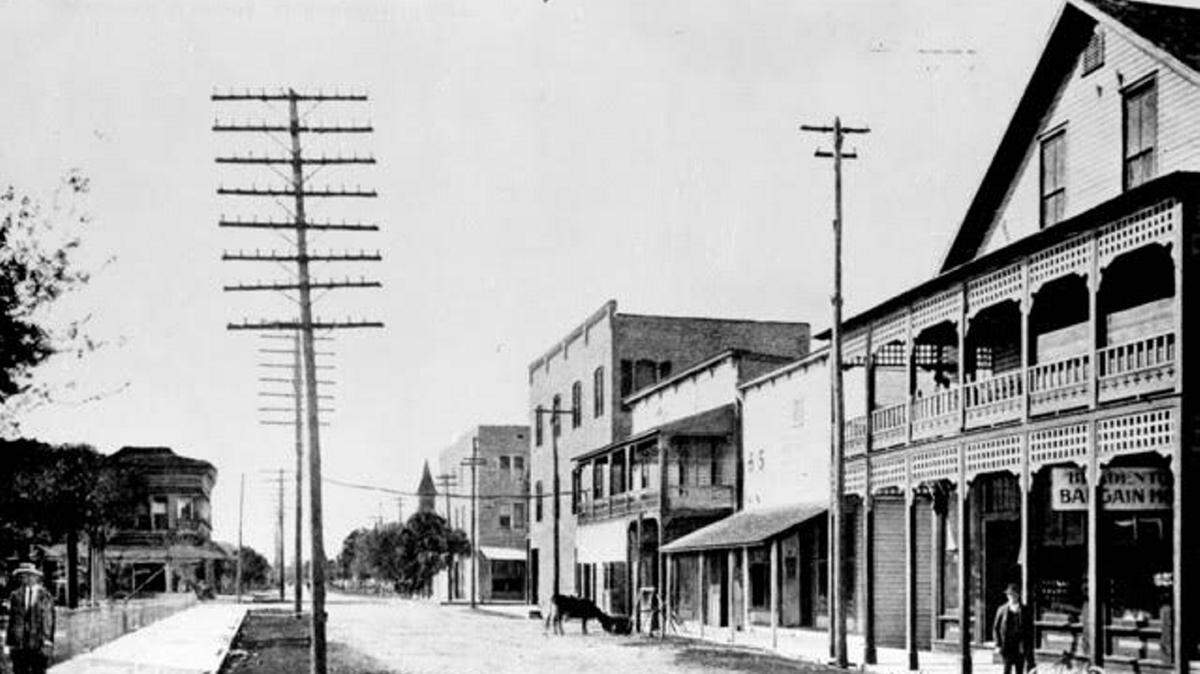
When thinking about cattle history, what usually comes to mind can range from the Wild West to the artwork of Fredric Remington (1861-1909), but rarely do most folks think of Florida. In reality, the cattle industry has a long history here, and for a long time did more for the beef industry than anywhere else in America.
Cattle first arrived in untamed Florida with Spanish explorer Juan Ponce de Leon in the early 1500s, and quickly the industry took hold. During the Civil War, Florida provided the main source of food for the Confederacy because cattle could be run up the center of the state rather than shipped by boat and because the Union blockade prevented many shipments from leaving port.
Even today, Florida plays a major role in cow-calf production. One thing that has made Florida's cattle history unique is the history of cow hunters.
It may be hard to envision, but during Manatee County's early days, it was not unusual to see a cow (or several) grazing on Courthouse Square or wandering down Main Street. Before the passage of Senate Bill No. 34, otherwise known as "The Fence Law" on June 7, 1949, cattle were allowed
to graze openly on the Florida frontier.
One can imagine that, without fences to corral their livestock, it might be difficult for ranchers to gather up herds for market or branding. The lush swamps and wetlands provided a variety of vegetation for cows to graze, which led them away from the ranchers land.
Enter the cow hunter -- men who specialized in navigating the Florida terrain thick with scrub woods, marshes and undergrowth to hunt and collect cattle. The term "cowboy" was not preferred since "boy" had a weaker connotation.
These men were paid a small fee to seek out cattle and either drive them to market or brand new calves. Cattle were identified by the unique brand their owners burned into their hips and by notches cut into their ears. Hip brands could not easily be seen when the cow was straight ahead but their ears could be, and the dual identifiers were a type of insurance against thieves who might try to alter a brand to claim the animal as their own.
Cow hunting was a difficult task and sometimes required men to be away from home for weeks at a time. The harsh conditions in Florida could render a man unrecognizable when he returned home. Such a thing happened to John W. Curry. During the Civil War, Curry was assigned the duty of provision-supply master and went on a cow-hunting expedition with other local men. But after weeks away and being out in the elements, he was not immediately recognized by his family.
Since the cattle might wander far from where the ranchers lived and the expeditions could take weeks to collect a herd, bunkhouses dotted the Florida landscape and provided lodging for the cow hunters as they were rounding up the cattle. These small buildings often consisted of just one or two rooms, sometimes two stories, with cots or areas to camp for the night before moving on.
It is believed that cow hunters can also take credit for the term "Florida Cracker," as many believe their use of bull whips to drive cattle provided the sound in which the name was derived. The sounds of their whips could be heard from quite a distance, and locals were known to remark "the crackers are coming" whenever they were near.
To learn more about the history of cattle in Florida, join us 1 p.m. or 5 p.m. Wednesday at the Manatee County Fair for a presentation by Bob Stone, folklorist and photographer. Stone will share all aspects of Florida cattle ranching traditions, including material culture such as Cracker cow whips and unique ranch gate designs, swamp cabbage and other foodways, cowboy church and Cracker cowboy funerals, Seminole ranching past and present, occupational skills such as roping and branding, our vibrant rodeo culture, side-splitting cowboy poetry, feisty cow-dogs, and much more.
For information, visit manateevillage.org or call 941-741-4076.
Melissa Porter, education and volunteer coordinator for the Manatee Village Historical Park, enjoys sharing the past with students through hands-on activities and personal anecdotes from Manatee County's history. Contact her at Melissa.porter@manateeclerk.com or 941-741-4076.
This story was originally published January 18, 2016 at 11:13 PM with the headline "Manatee History Matters: They're cow hunters, not boys ."