
Master naturalist program offers look at Manatee County's remaining wild areas
EAST MANATEE -- For the past nine years, the Manatee County Extension Office has been offering a break from city living through its Florida Master Naturalist Program.
The program helps newcomers, park docents, ecotourism companies and others learn more about natural Florida beyond plastic flamingos, neon strip centers and bumper-to-bumper traffic.
The next module, set to begin Jan. 7, will focus on Manatee County's uplands, and will include field trips to Coker Prairie Tract in Myakka City, Duette Preserve and Buffalo Creek Golf Course.
"I tend to have as students those who are fairly new to Florida," said extension agent Lisa Hickey, who started the program in Manatee County.
But she also has helped train docents and park rangers, among others.
The majority of habitat in Manatee County is uplands with high, sandy soil which supports a variety of unique plant and animal life.
Those who want to become master naturalists can also take courses on the coastal areas and Manatee County's wetlands.
"Animals attracted to upland plants are sometimes different from those we see around our homes," Hickey said. "The biggest challenge is keeping invasive animals and plants out of those areas."
For an area like Coker Prairie Tract, owned by the Southwest Florida Water Management District, it can be helpful to have a trained naturalist along to explain what the visitor is seeing.
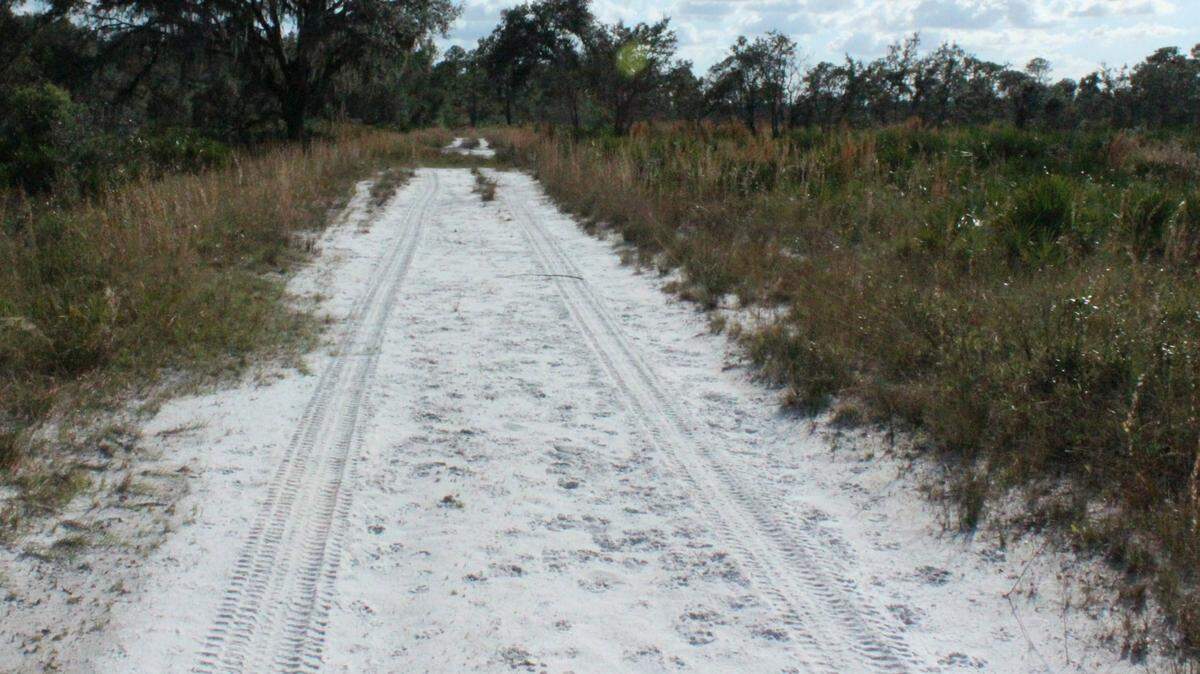
Terrain at Coker, which is closed to vehicle traffic, ranges from low scrub and palmetto thickets to dense, primal forest and wetlands.
It is home to a scrub jay population, but it's best to look for them before 10 a.m., said Kathy Oliver, an instructor whose specialty is birding. Scrub jays tend to stay under cover during the hottest part of the day, although there might be a sentinel bird posted in a tree to warm the family group of an approaching predator.
"I really like the pine forest at Coker Prairie Tract," Oliver said. "Coker is kind of interesting with a diversity of habitat, the river flood plain and the scrub."
While Coker has miles of trails through wild habitat, it's not as originally designed by nature. Years ago, Coker was the scene of extensive logging.
Peggy Hill, an East Manatee resident who is an instructor for the naturalist program, said Manatee County has many parks that are easily accessible.
"You can see how they are trying to get the habitat back to what it should be," Hill said.
For more information on the next module of the master naturalist program, which begins Jan. 7, and continues Jan. 14, 21, 28 and Feb. 11, 18, and 23, email Lisa Hickey at lisa.hickey@ufl.edu or call 941-722-4524. Cost of the course is $230, which includes the field trips, 40 educational contact hours and a reference workbook.
Course requirements include bringing enthusiasm, attending class and completing an education project, Hickey said.
James A. Jones Jr., East Manatee reporter, can be contacted at 941-745-7053 or on Twitter@jajones1.
This story was originally published December 18, 2015 at 3:55 PM with the headline "Master naturalist program offers look at Manatee County's remaining wild areas ."