One rag at a time. How a nonprofit is filtering the Manatee River
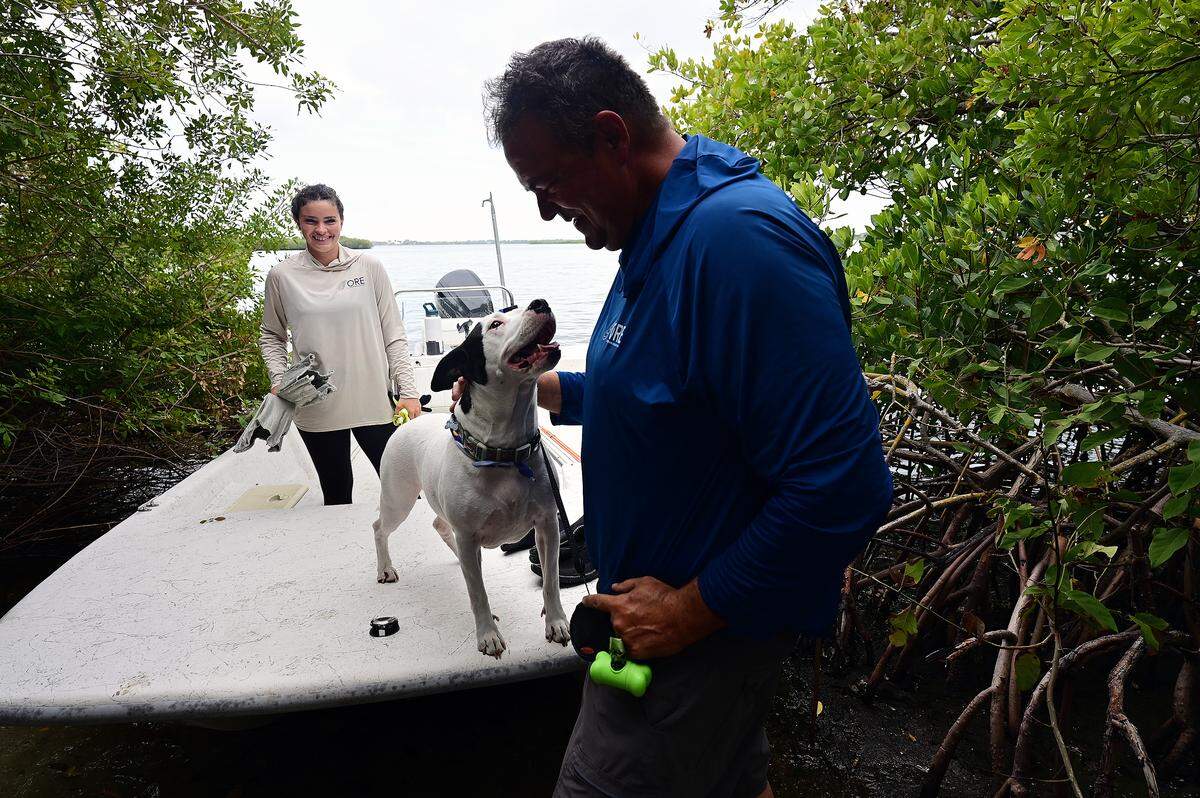
A nonprofit organization working to restore water-filtering oysters in the Manatee River is speeding up its progress with an unconventional new tool.
The Manatee River, once known as the Oyster River, had a surplus of oysters in the 1800s. But, largely due to their commercial harvesting for road pavement and building materials, the oysters were “partially or totally depleted” by the 20th century.
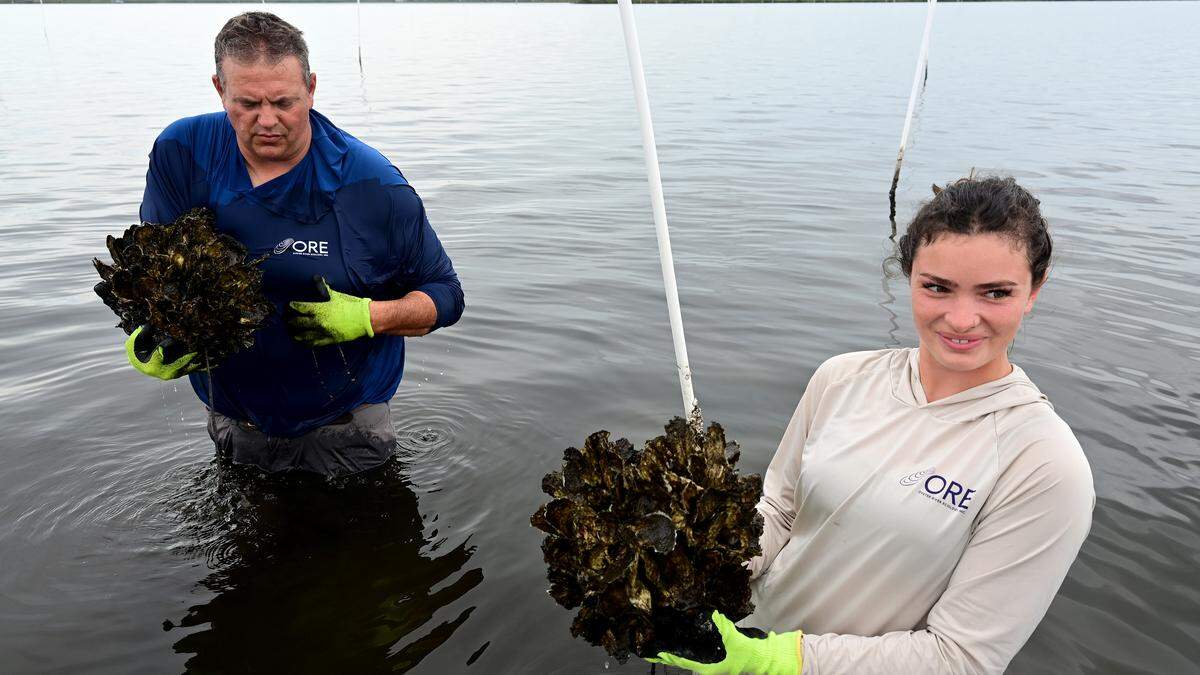
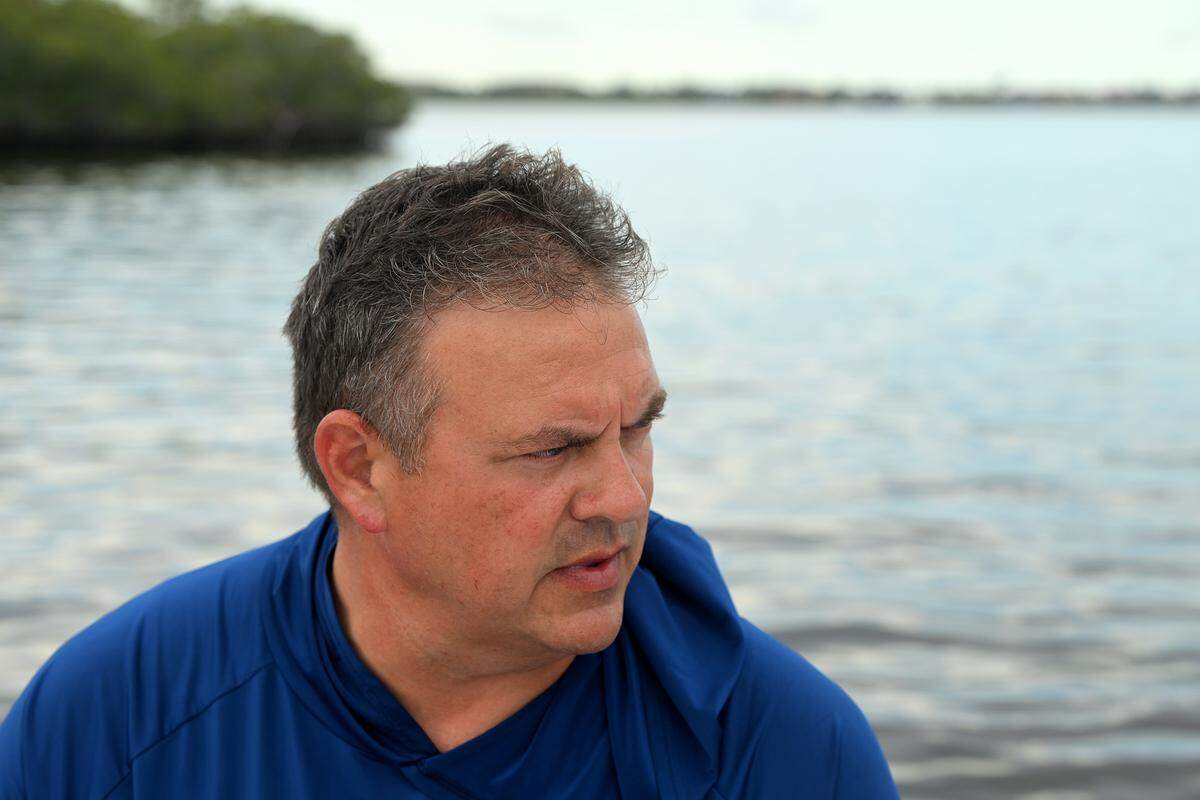
Oyster River Ecology, a nonprofit organization founded in 2022 by Damon Moore, is spearheading a project to increase oyster numbers at Eileen Reef, just east of Interstate 75 in the Manatee River.
Once the project is complete, it’ll have the capacity to filter the entire river’s volume in just 22 days, according to Abbey Kuhn, the ecological project coordinator at Oyster River Ecology. Now it’s time to get the shellfish multiplying.
After experimenting with several different techniques, Moore’s group has identified a cost-effective and sustainable method to maximize their oyster output.
Meet the oyster rag pot — ORP for short.
What is an oyster rag pot?
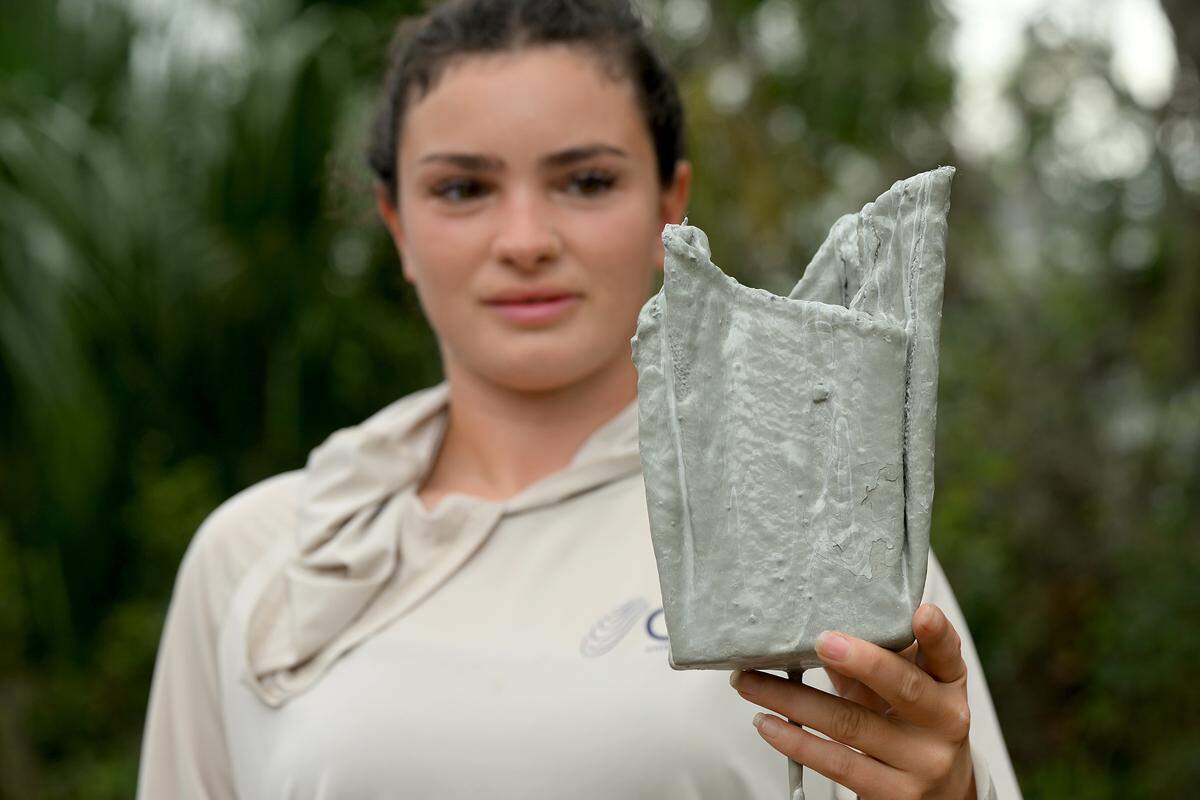
Gaining his inspiration from an Etsy video showing how to create a makeshift flower pot by slathering denim jeans in cement and letting them dry in a vase-shape, Moore says he came up with the idea for his ORPs.
“I was like, ‘That’s got promise.’ Because it uses such little material,” Moore said.
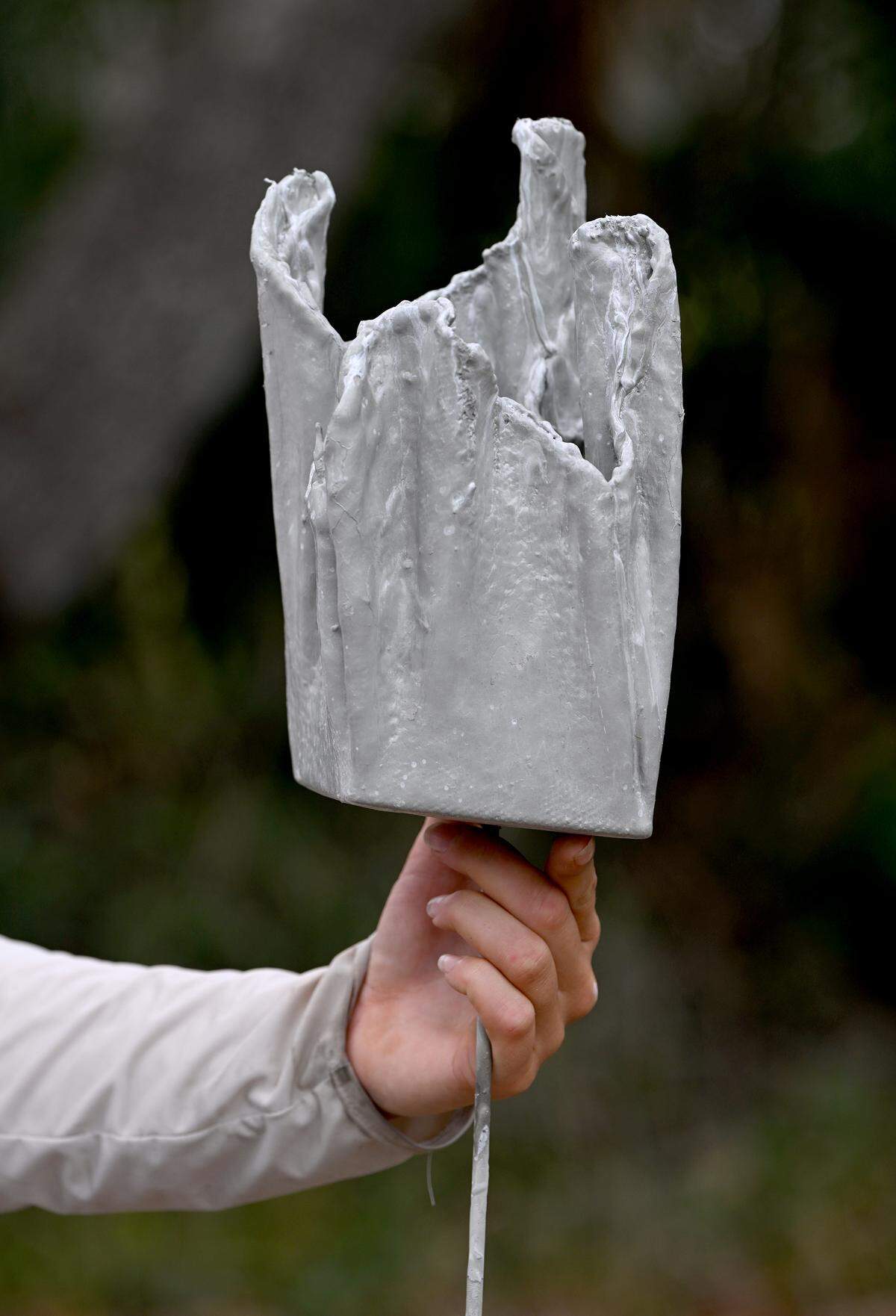
Made using four simple components — a cotton rag, cement, a wooden spacer and a metal circle-top pin — ORPs are inexpensive to produce. It costs about 85 cents per square foot of materials, according to Moore.
“We developed the oyster rag pot really with the main focus on finding a way to do large-scale oyster restoration at a much more affordable cost,” Moore told the Bradenton Herald.
The rag is drenched in cement before the metal pin and the spacer are attached. Then, the rag is hung to dry in a vase-like formation.
Once dry, the rag forms a hard material known as cultch, the grit on which oyster larvae attach.
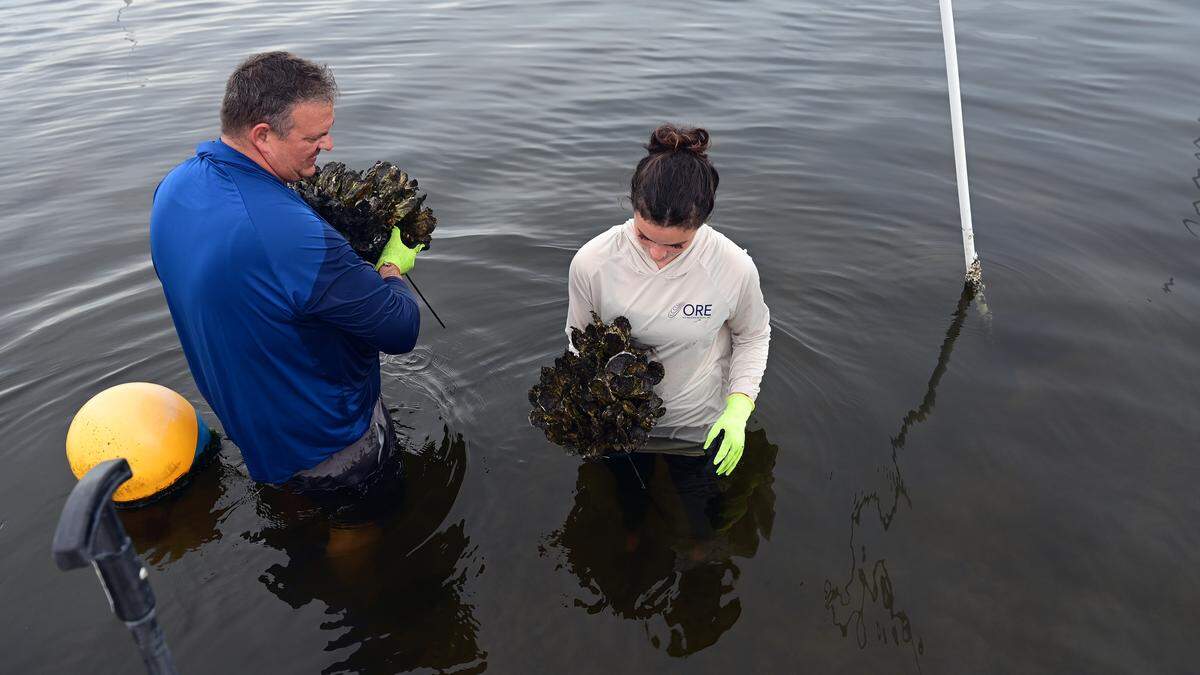
ORPs are now being used across Eileen Reef to attract thousands of new oysters.
Restoring water quality on the cheap
When the project began, Moore says he considered other materials, such as rock, to form the foundation of the new oyster habitat. But this idea was too expensive for a fledgling nonprofit — lining the riverbed with rocks was estimated to cost several million dollars, Moore said.
Also, if oyster habitat rehabilitation is ever to be done at a large scale, the materials need to be cheap and easy to acquire, according to Moore.
“If not just us, but the community and practices as a whole are going to start making meaningful gains on the acreages of these things… we have to find better ways to do it,” Moore said.
“So we started looking for other ways to really increase surface area and also minimize the cost, but also have that be scalable with readily available materials,” Moore continued.
After their creation, ORPs are installed in the riverbed by inserting the metal pin into the bottom of the reef.
The first test plot was installed just over two years ago, according to Moore. The nonprofit found that the oysters were “growing and doing really well, especially compared to all of the other methods” that were tested, Moore said.
“Once we saw that was our way, we’ve been scaling it up since then,” Moore said.
How do ORPs build oyster reefs in the Manatee River?
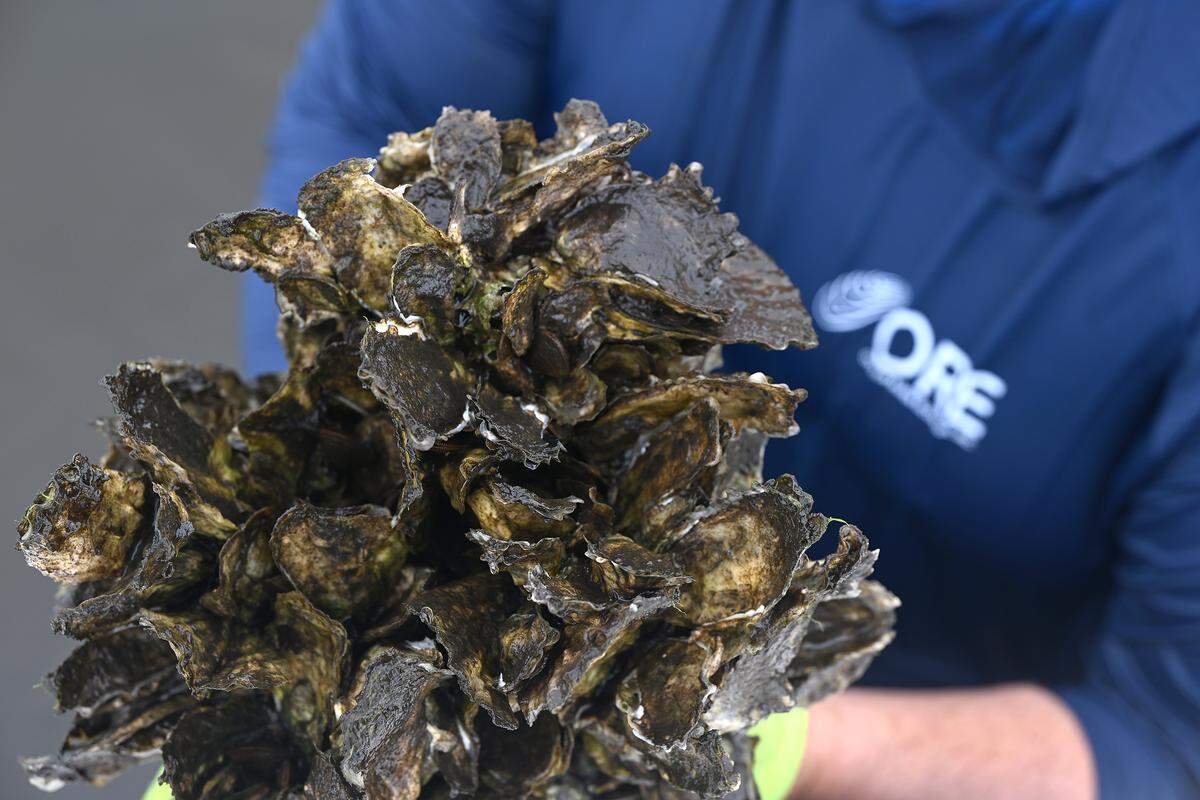
Moore describes ORPs as a sustainable, one-time investment with a permanent payoff for the local ecosystem. After a first layer of oysters attach to the cultch, each subsequent generation of oysters attaches onto the shells of the previous, causing the ORP to become “completely encrusted and encapsulated.”
The devices do not harm the river and can be left for each new generation of oysters to attach, making ORPs a long-term, enviroenmentally friendly solution to oyster rehabilitation, Moore said.
The project, which has permits for an initial 10-acre restoration site at Eileen Reef, received funding for its first 1.5 acres from community members, the Tampa Bay Estuary Program and a grant from the Tampa Bay Environmental Restoration Fund, according to the nonprofit.
Oyster River Ecology is seeking additional funding to complete the 10-acre area.
Why restore oysters?
“This site is the largest active oyster reef restoration project in the region and will provide critical habitat for oysters to grow, thrive, and support the broader health of the estuary,” Oyster River Ecology’s website says.
Oysters hold immense importance to the water quality of the Manatee River, as a single oyster can filter up to 50 gallons of water per day, or one-fourth of a hot tub.
“(Oysters) filter water, provide habitat for fish and other critters and really just rebuild those ecosystems from the ground up,” Kuhn said.
What’s next for Oyster River Ecology
Oyster River Ecology has already earned national praise for its work. In 2024, Moore won NOAA’s Dr. Nancy Foster Habitat Conservation Award for his nonprofit’s work “protecting and restoring Florida’s coastal ecosystems.” The agency noted his “new cost-effective oyster restoration technique.”
According to Oyster River Ecology’s website, the nonprofit hopes to expand to launch “large-scale upland restoration projects” to help restore native ecosystems in Southwest Florida.
“Living in this area, the river and all of the natural areas are super important,” Kuhn said. “And it’s super important that we care about them.”