Tensions rise in Bradenton’s horse poop debate as companies agree to pause rides
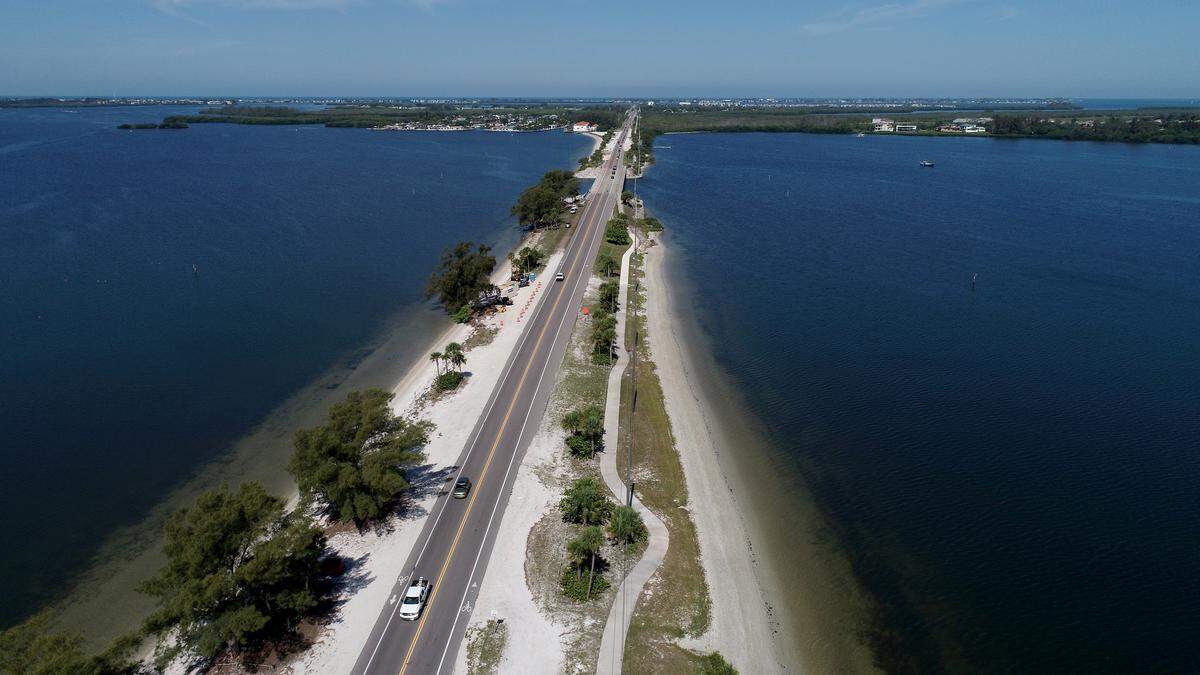
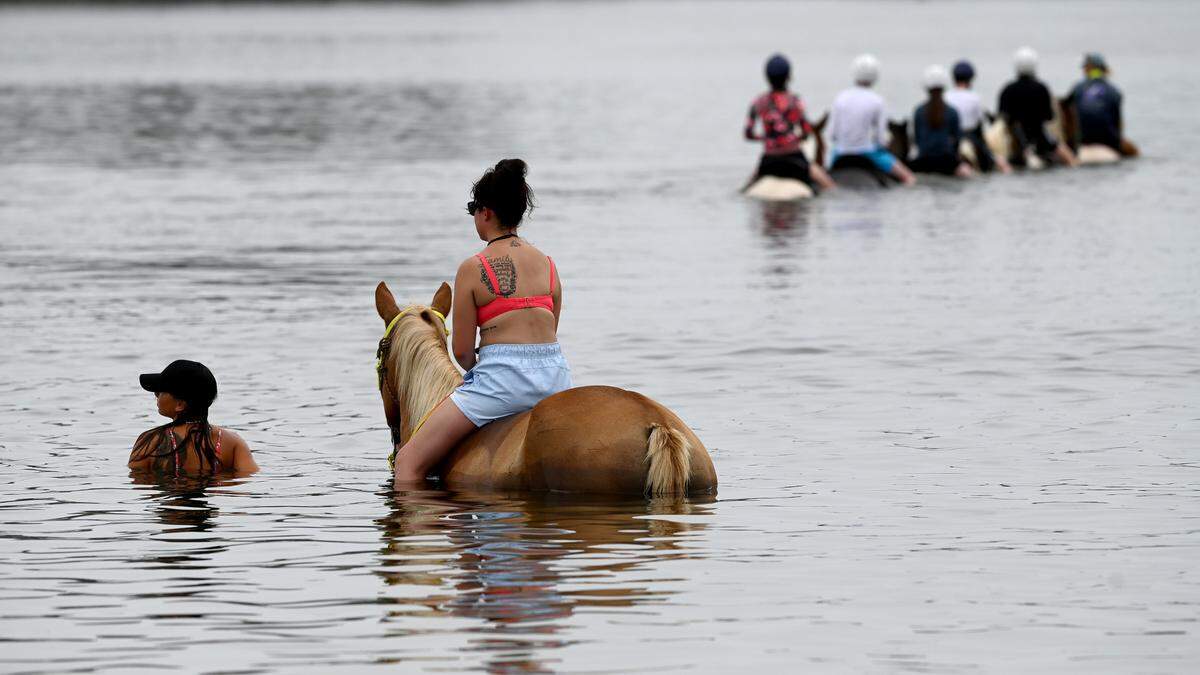
Horseback riding companies have agreed to pause operations along Palma Sola Bay for one month in an attempt to end the years-long debate over whether horses pollute the bay.
Recently, more advanced sampling of Palma Sola Bay found horse DNA was a source of bacteria around Palma Sola Causeway, prompting a lengthy presentation at Wednesday’s Bradenton City Council meeting. Officials hope the pause will shed light on whether horse poop is to blame for water quality issues in the area.
Executive Director of the Sarasota Bay Estuary Program (SBEP) Dave Tomasko said his organization and Suncoast Waterkeeper collected three samples so far, and two sets of results are in.
Between the two results, they found horse DNA present in all four spots along the Palma Sola Causeway. But every sample that had a “hit” was unquantifiable, meaning horse DNA was detected, but the amount was too small for the laboratory to determine a percentage.
In his presentation to the city council, Tomasko proposed asking the horseback riding companies to stay off the causeway for a month as an experiment to compare samples of when the horses are there versus when they are not.
Mayor Gene Brown announced that the horseback riding companies already agreed and halted operations along the causeway on Sept. 8. They will remain off the causeway until Oct. 6, according to Brown.
“I just want the facts out,” Brown said.
Will a month without horses be effective?
After the city council meeting, Suncoast Waterkeeper Executive Director Abbey Tyrna sent a letter to the City of Bradenton and posted a reaction video on social media.
“I think it’s irresponsible use of science,” Tyrna said. “It’s going to be extremely difficult to say anything about the sources during the rainy season without the horses there for a few select time periods.”
Tyrna said some research shows it could take around 60 days for bacteria and nutrients already in the water to start reducing. That, coupled with excessive rain, could lead to inconclusive results, according to Tyrna.
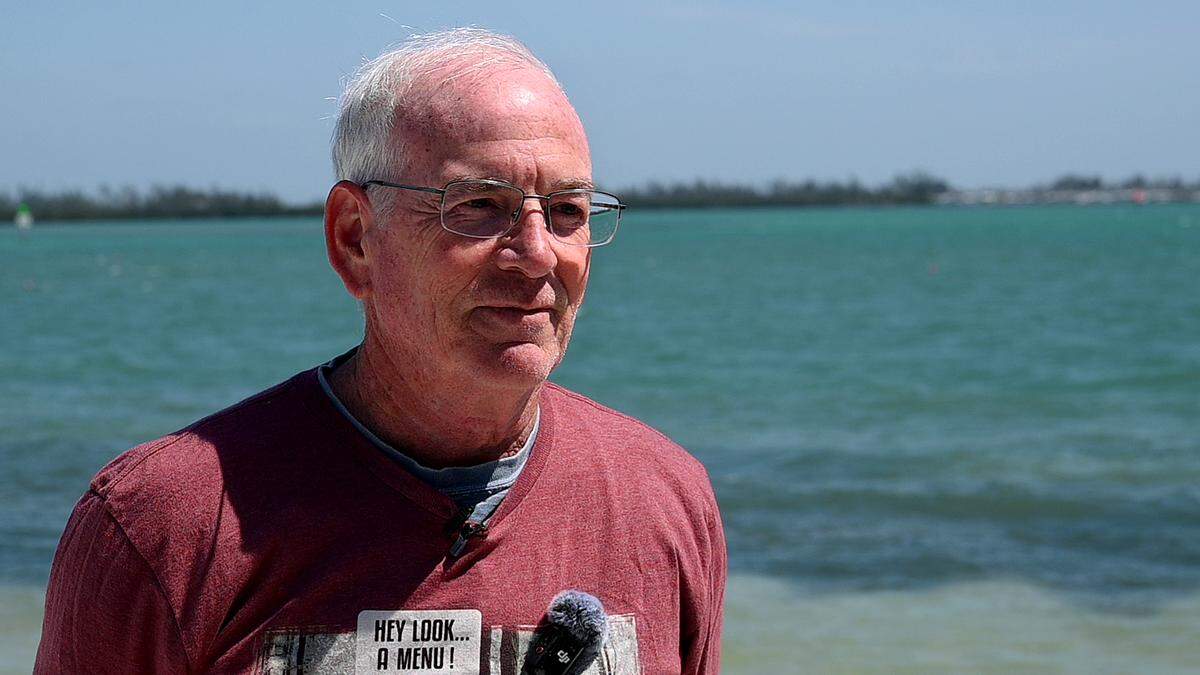
However, Tomasko said the idea is a “natural experiment to run” given what they already know, which is that there is some horse DNA present in all four sites, but still at an undetectable quantity.
“We don’t know how big of a source they are, we just know that there’s some amount,” Tomasko said.
In response to the “criticism,” he said that, if horse bacteria is a heavy source, then it would be expected that a month without horses would cause the bacteria levels to go down.
He also agrees that there are likely several sources of bacteria. DNA testing also found bird DNA to be a source of bacteria at some sites.
If testing continues to find horse DNA in undetectable amounts, and humans are also not the source, Tomasko said it’s possible that the enterococci could come from decomposing vegetation.
Enterococci is one of the main fecal indicator bacteria, and the one that Suncoast Waterkeeper uses in its weekly reports. But enterococci is not specific to horses, humans, birds or even animals — hence the original need for advanced DNA sampling.
Tomasko said some research suggests that elevated levels of enterococci could come from decomposing vegetation and plant debris.
“This doesn’t mean that fecal sources aren’t involved,” Tomasko said. “It simply means it doesn’t have to be a fecal source to give this elevated bacteria.”
Horseback riding companies agree to sacrifice revenue
Carmen Hanson owns C Ponies Horseback Riding, one of the main horseback riding companies along the causeway. She said the loss of revenue for a month will be worth the possibility of putting an end to the debate.
“It’s very aggravating,” Hanson told the Bradenton Herald. “We are so tired of fighting every year.”
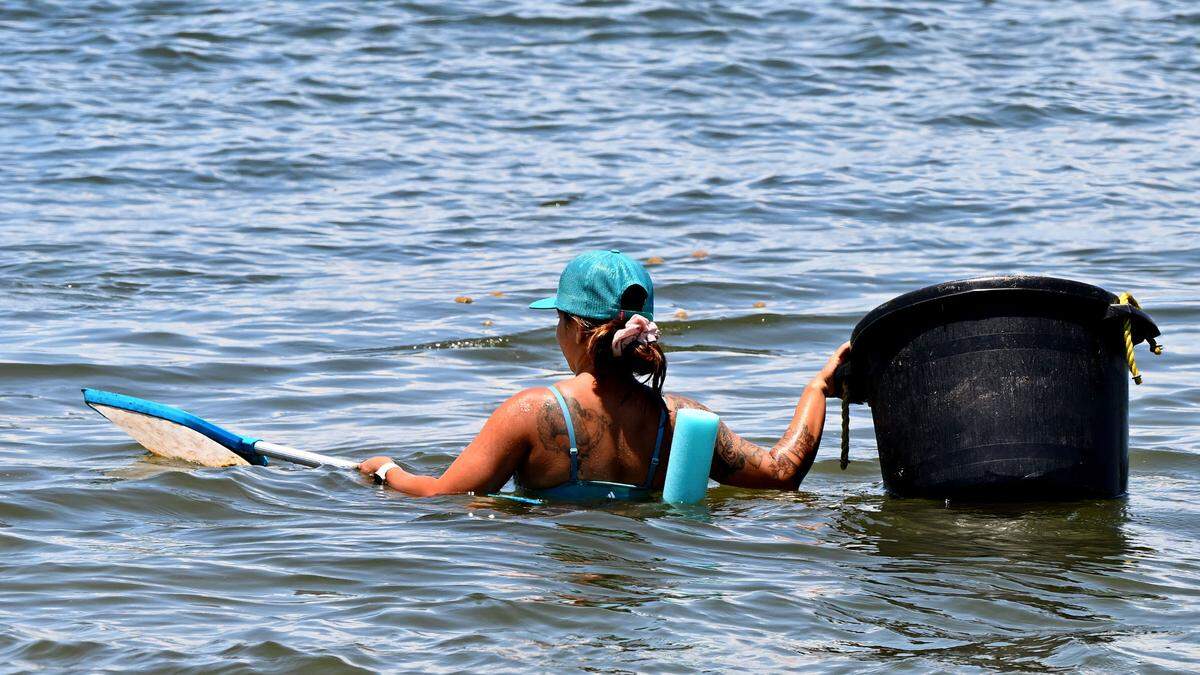
According to Hanson, her staff does their part by following horses with pool nets to collect poop as the rides go on. The company also recently purchased inflatable boats to go further in the water after the rides are done to further enhance cleanup efforts, she added.
Hanson said she’s open to negotiating better management practices in the future, but wants all the facts first.
“It’s not that we don’t want to comply and come up with a better solution,” Hanson said. “If our horses are definitely polluting the water, these tests would come back with a number.”
She said closing for a month is putting a financial burden on her staff.
“It’s very heartbreaking as a business owner to tell your staff because of Suncoast Waterkeeper blaring everything against the horses, now we have to shut down to prove that it’s not the ... horses,” Hanson said.
Many of Hanson’s horses are rescued from bad situations, bought by Hanson and nursed back to health. After veterinary bills, Hanson said she has upwards of $50,000 invested in some horses.
According to Hanson, much of the profits C Ponies collects from riding sessions go back to taking care of the horses and continuing rescue efforts.
While the loss in revenue will take a toll on Hanson and her staff, she hopes it’s worth it to end the debate.
“We’re willing to do anything,” Hanson said. “If this will put an end to this at least for a couple of years, then it’s worth us not working for a couple of weeks.”
Tensions rise among stakeholders
At Wednesday’s meeting, Brown and Hanson criticized Suncoast Waterkeeper.
Brown questioned Suncoast Waterkeeper’s research methods, emphasizing that SBEP’s ecosystem health report card shows Palma Sola Bay has been continuously in good or excellent condition for nearly 20 years.
However, Tyrna said SBEP’s report card and Suncoast Waterkeeper’s weekly monitoring use different metrics, and both can be true — the report card could show positive nutrient health and seagrass growth while the water quality sampling could show elevated fecal indicator bacteria.
On Wednesday, Hanson told council members that Suncoast Waterkeeper has been on a “witch hunt” for the horse companies and some of the rhetoric is becoming “harassment.”
Part of Hanson’s argument is that Suncoast Waterkeeper’s weekly water quality tests routinely show high levels of enterococci in other parts of Sarasota Bay — like Turtle Beach and Blackburn Point — but Hanson claims more attention is given to Palma Sola Bay and the horses.
Tyrna said she walked away from the city council meeting feeling terrible about where the debate stands.
“I wish it would have never gotten this far,” Tyrna said. “We never intended to hurt anybody. We never said horses are the sole reason for Palma Sola’s water quality ills.”
Tyrna said she believes social media comments and public rhetoric could have contributed to the heightened tensions and said sometimes the social media comments lead to misinterpretation when things are taken out of context.
“I think we lost control of the narrative and somehow we are being blamed for something,” Tyrna said.
Speaking to the Bradenton Herald, Tyrna reiterated that Suncoast Waterkeeper is pushing for better management practices, not for horseback riding companies to be excluded from the causeway entirely.
Moving forward, Tyrna said she plans to meet with Brown and said all stakeholders involved in this debate should look into better management practices.