Why did Bradenton pay $5 million to buy land from Tropicana? Here are the city’s plans
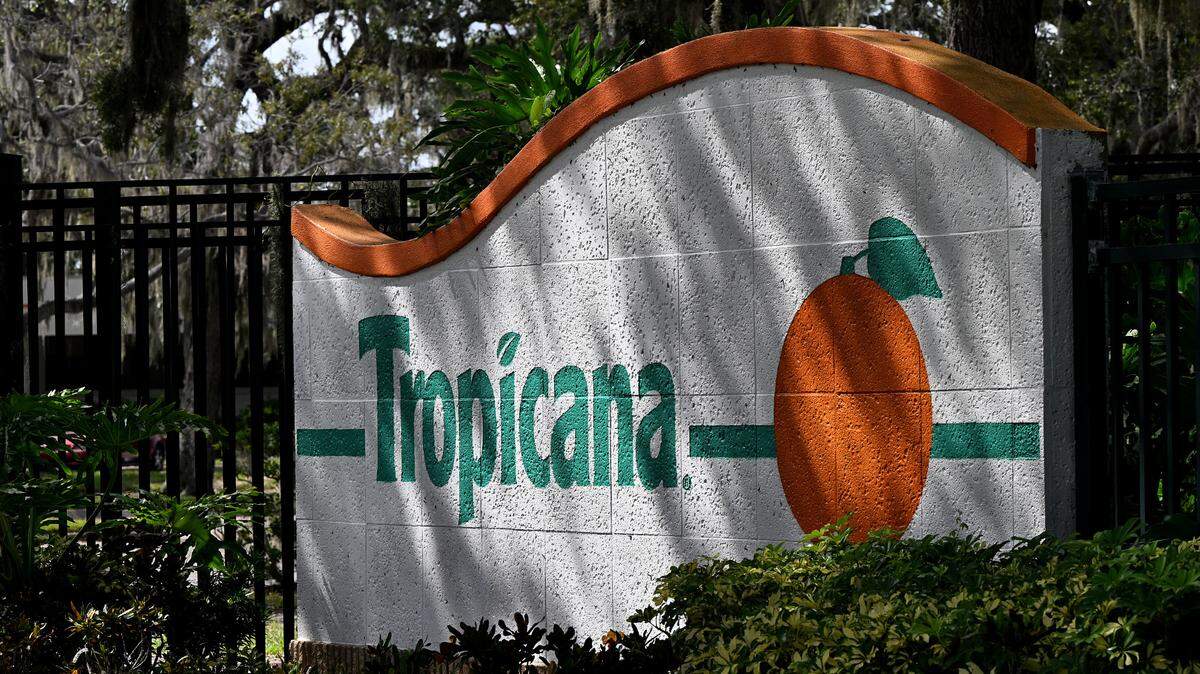
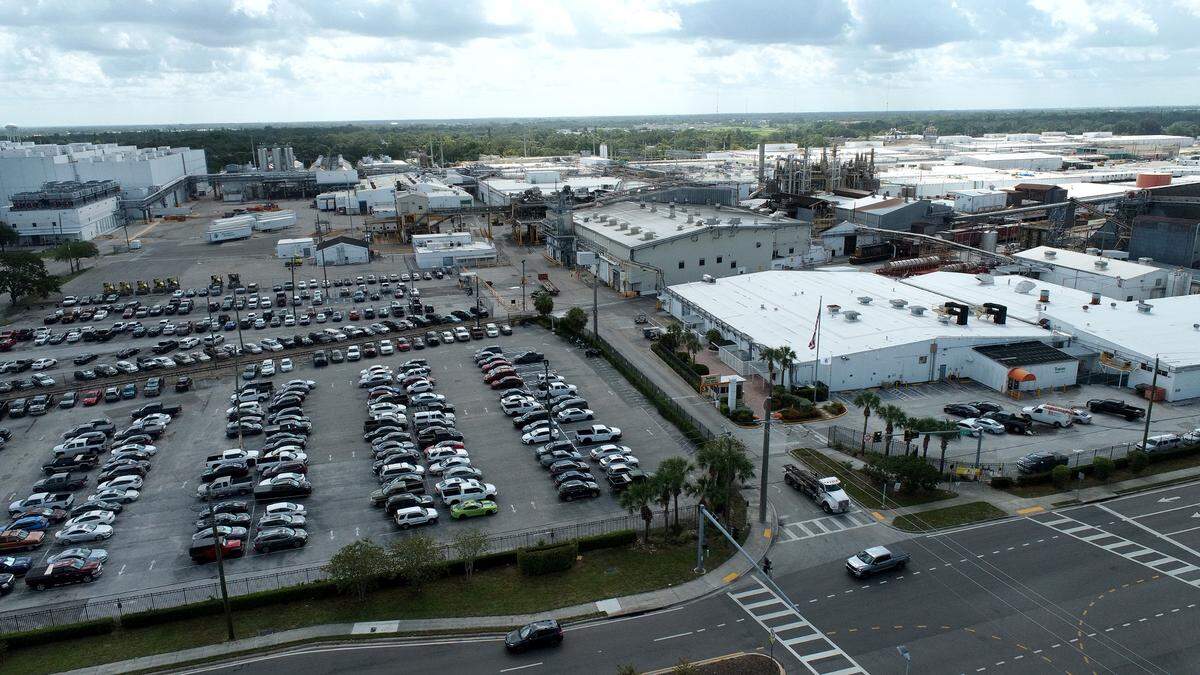
The city of Bradenton paid over $5 million to buy two pieces of land from the Tropicana plant.
The city will move its public works facilities to the 32-acre site just north of the Ninth Street East and U.S. 301 intersection. The move is part of a plan to modernize the Public Works Department and revitalize the area near LECOM Park.
The Public Works Annex Building at 1411 Ninth St. W., Bradenton, is set to be demolished. During Wednesday’s Bradenton City Council Meeting, Councilwoman Marianne Barnebey noted that the building dates back to 1935.
“I bring this up because I’ve seen comments about why are they moving and, ‘They’ve got what they need,’” Barnebey said, noting that the second floor of the building is off limits. “I don’t think that we do.”
“This is not just, ‘Let’s go spend money somewhere,’” Barnebey added.
The old Public Works building will be demolished when the city goes forward with a planned expansion of LECOM Park.
Bradenton buys land from Tropicana
Bradenton City Council approved the purchase agreement in a unanimous vote on Wednesday. City Administrator Rob Perry said the city sees the purchase as “an opportunity to move into the future.”
“We owe it to them to give them the tools they need,” Perry said of the city’s Public Works Department. “I think it starts with the facilities and infrastructure.”
Tropicana, one of Bradenton’s largest employers, owns over 192 acres in the area, according to property records.
Mayor Gene Brown said the city is also looking at the possibility of using the property to build workforce housing for its public works staff.
“It was kind of one of those sites you look, look, look for years,” Brown said. “Timing in life is everything.”
The city will pay $4.9 million for a 28-acre parcel and $350,000 for a 4-acre parcel.
“Tropicana’s first price was a lot more than this,” Brown said during Wednesday’s meeting.
Perry added that the city wants to partner with Manatee County Government to build a vehicle maintenance facility.
“I think if we can do that together we can probably both save a little bit of money, both on the construction of some of the infrastructure, but also on the overall operations,” Perry said. “It becomes more efficient.”