
Florida panthers and more: 5 rare and endangered animals found in East Manatee County
Living in Bradenton on Southwest Florida’s coast comes with lots of beautiful wildlife moments.
Sightings of manatees, dolphins, sea turtles, shorebirds and other coastal creatures are to be treasured.
But if you head just a little inland and east, there’s a whole different world nearby with lots of natural wonders of its own.
A day trip to one of the nature preserves in East Manatee County offers a chance to see a different set of amazing Florida landscapes and wildlife.
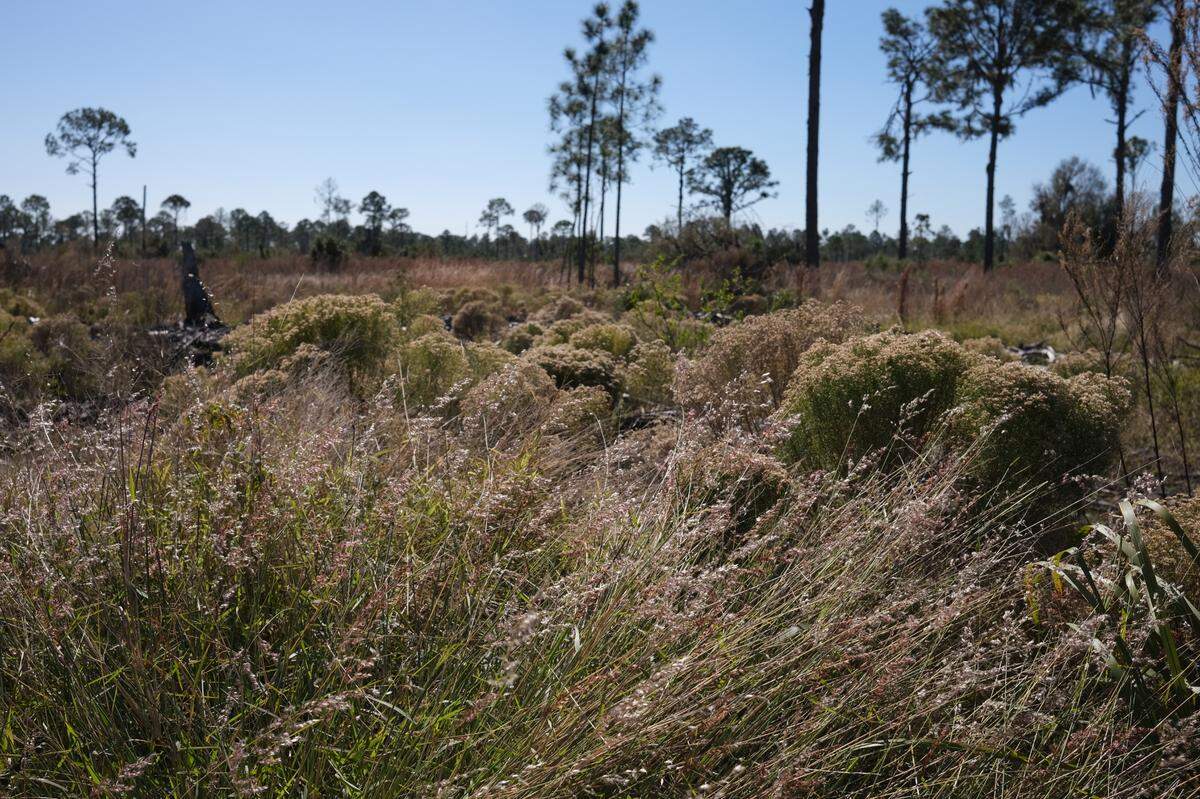
Nature adventures through Duette Preserve or Rye Preserve will take you through pinewoods, Florida scrub and other vibrant habitats as you get some exercise on foot, bike or horseback.
The preserves also highlight the importance of local conservation efforts that have saved wild places from development and set aside a haven for rare and endangered plants and animals.
If you’re lucky, you might catch a glimpse.
Here are some of the unique animals that can be found in East Manatee County.
Florida scrub jay
This famously friendly and talkative creature is the only bird that’s found only in Florida.
Florida scrub jays are considered an indicator species by biologists, which means their presence indicates that an ecosystem is healthy.
Duette Preserve is one of the only places in the state where the scrub jay’s population is increasing instead of declining, conservationists say.
Odds are good for seeing the birds scouting for food, playing and nesting in the scrub habitats of Duette and Rye preserves.
Gopher tortoise
Gopher tortoises are found throughout Florida, where they dig burrows in sandy soil that provide a comfortable, temperature-controlled home throughout the year, according to the Florida Fish and Wildlife Conservation Commission.
A host of other creatures also take advantage of the burrows, which average 15 feet long and 6.5 feet deep, FWC says.
Gopher tortoises are considered threatened in Florida, where they face habitat loss and destruction.
A new program started by Manatee County Government officials relocates gopher tortoises that are displaced by development to Duette Preserve’s 22,000 acres.
Southeastern American kestrel
This mini but mighty bird of prey is a threatened subspecies of North America’s smallest falcon.
Thanks to conservation efforts, there’s a healthy population at Duette Preserve.
You can see the kestrels swooping through the sky and making use of bird boxes on old power poles in the preserve. The boxes simulate the birds’ preferred home inside of dead longleaf pine trees.
Since the arrival of European settlers, human activity has decimated longleaf pine forests that once covered the Southeast, upsetting the ecosystem. But efforts are underway to restore the trees — including at Duette Preserve.
Eastern indigo snake
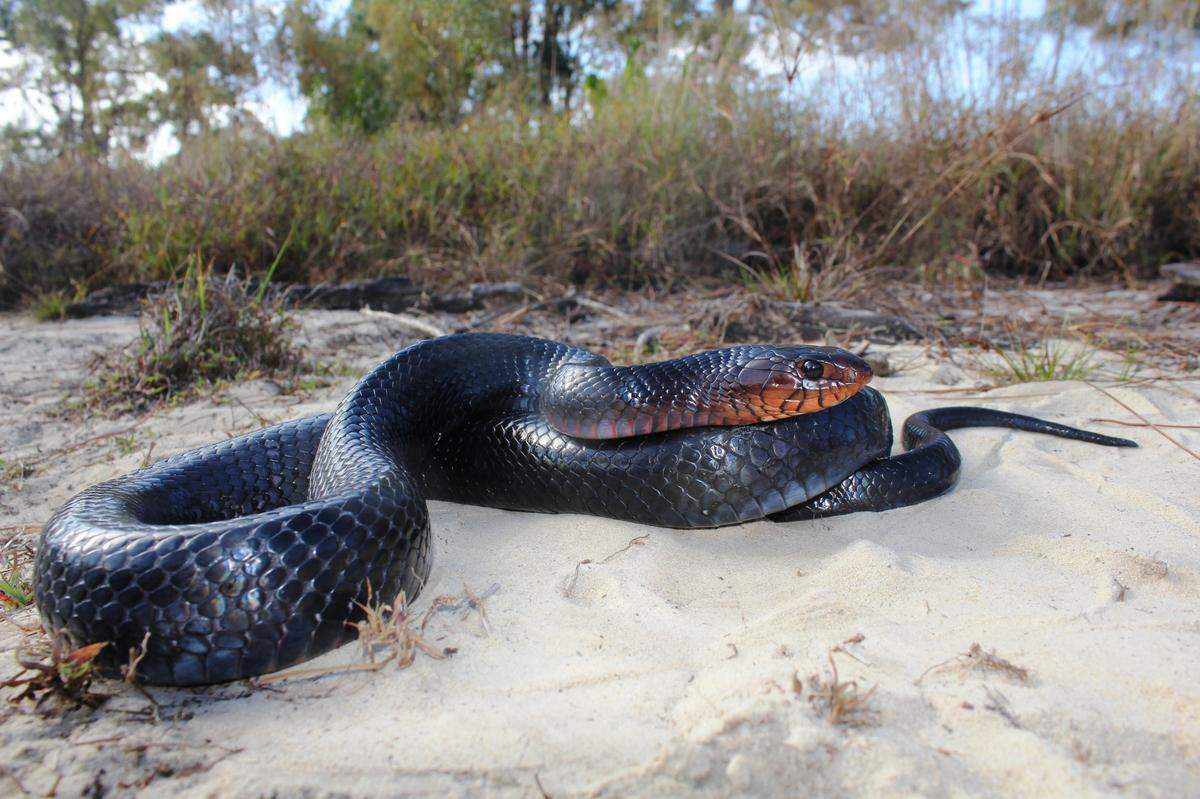
Another impressive animal that depends on longleaf pine forests is the eastern indigo snake.
Named for the iridescent luster of its scales, the threatened reptile is the largest snake native to North America, growing up to 9 feet long.
It has been documented at Duette and Rye preserves.
Also found in East Manatee County is the eastern diamondback rattlesnake — North America’s largest venomous snake.
If running into a snake is not your idea of fun, don’t worry. Snakes are generally not aggressive and avoid human contact, and odds of encountering them on a hike are rare, according to park staff.
Florida panther
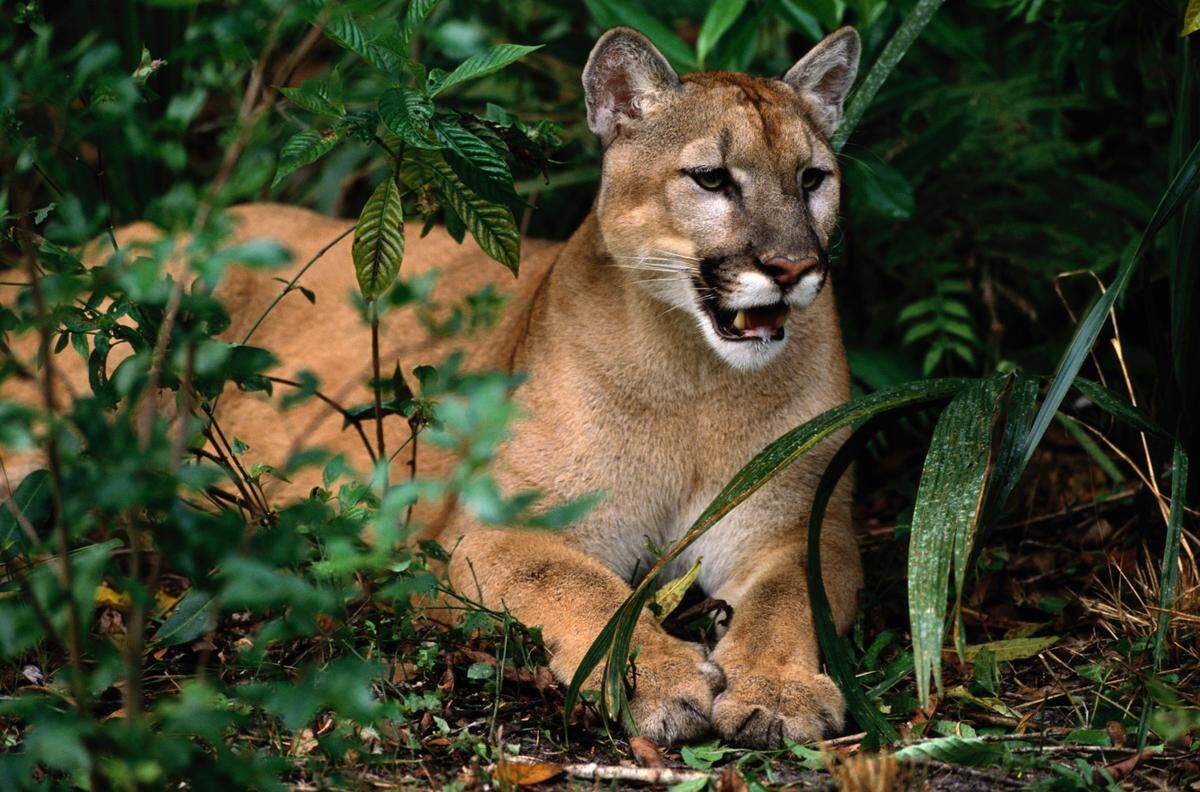
A recent Florida panther sighting at Duette Preserve drew excitement from locals and conservationists.
Preserve staff say that sightings have been increasing, with at least two cats believed to be passing through the area.
The endangered cats require vast amounts of land to thrive, with males requiring territory of up to 200 square miles.
Establishing more wildlife corridors through the center of the peninsula will be crucial to their future, conservationists say.
All around Duette, other parts of eastern Manatee County have been deemed “opportunity areas” that could help fill gaps in wildlife corridor expansion.
While the odds of seeing a Florida panther in person are extremely rare, visitors can take comfort in knowing that the conservation acres are giving the endangered cats a place to roam safely.
Other animals that roam Duette include turkey, quail, deer, bobcats, coyotes, feral hogs and even the occasional Florida black bear.
It’s also home to songbirds, owls and other birds of prey.
Where to see rare Florida wildlife
Duette Preserve and Rye Preserve can be explored on foot, bike, horseback or with a camping reservation. Local organizations also offer guided nature tours of both preserves.
If you go, wear closed-toe shoes and bring a hat, sunscreen, water and snacks, binoculars and your curiosity.
Duette Preserve: Parking is available at several trailheads, with daily entry from sunrise to sunset. Entry by vehicle is allowed only on Saturdays from 11:30 a.m. to 2:30 p.m. for a fee of $4.67 per vehicle. Enter at 2649 Rawls Road, Duette.
Be aware the preserve is closed to the public on hunting weekends. Check the calendar at MyManatee.org.
Rye Preserve: Open daily from sunrise to sunset. 905 Rye Wilderness Trail, Parrish. Includes fishing areas, a kayak and canoe launch and picnic sites.
Note: Parts of this story were adapted from a recent Bradenton Herald feature story on Duette Preserve, which you can read here.