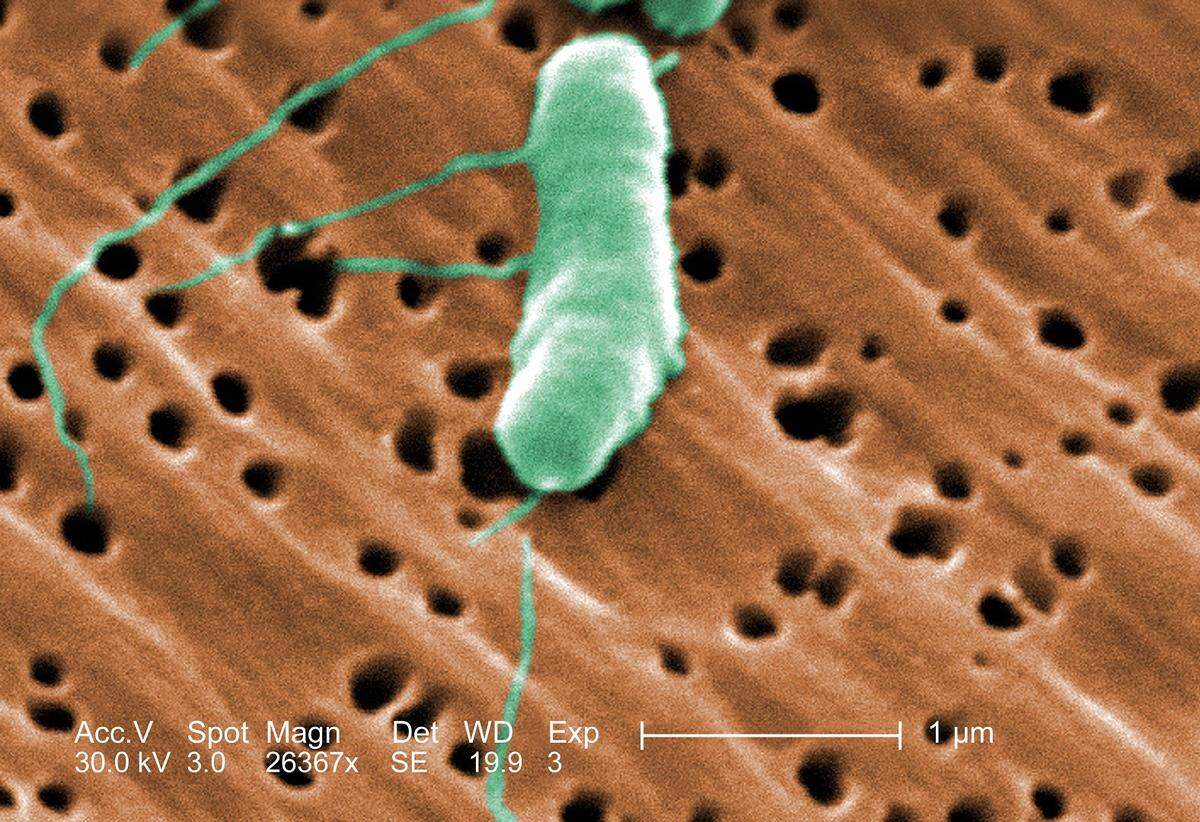
Florida has 28 flesh eating bacteria cases in 2023 so far. How many in Manatee County?
Of the 28 vibrio vulnificus cases reported in Florida so far in 2023, two were reported in Sarasota County, but Manatee County has not had any.
Two cases of the bacteria commonly referred to as “flesh-eating” happened in Sarasota County, according to Florida Department of Health data collected from Jan. 1 through Aug. 22.
One Florida case resulted in a death, according to multiple reports. Vibrio vulnificus was linked to five deaths in the country this year.
Despite its popular name, “it’s not entirely correct to call it ‘flesh eating’ because vibrio doesn’t break down intact, healthy skin,” the Miami Herald reported in October 2022.
The bacteria must enter the body through a cut, scrape, wound or damaged skin from a new tattoo. That can lead to serious illness and limb amputation in extreme cases, the Herald previously reported.
Vibrio vulnificus is mainly found in coastal waters, but also is found in brackish waters and when eating raw or undercooked shellfish, particularly oysters, according to the U.S. Centers for Disease Control and Prevention.
The CDC says there are an estimated 80,000 cases annually for the disease, with most people recovering after three days on average. However, one in five die from a vibrio infection, usually within a day or two of becoming ill, the CDC said.
In 2022, Florida experienced a record number of vibrio cases. There were 73 infections, according to Florida Department of Health data. The previous record was 50 cases in 2017, according to the Miami Herald.
The uptick was linked to September’s Hurricane Ian, according to reports. Of those 73 cases in 2022, 28 came from Lee County, which was one of the areas where Ian hit the hardest.
In 2017, a major hurricane also hit the state when Hurricane Irma made landfall in the Florida Keys and Southwest Florida.
The CDC offers tips to reduce the chances of getting vibrio vulnificus.
They are:
- Don’t eat raw or undercooked shellfish, such as oysters.
- If you have a wound, including from a recent surgery, piercing or tattoo, avoid contact with salt water or brackish water.
- If there’s a possibility the wound could come into contact with salt or brackish water, raw seafood or raw seafood juices, then cover the wound with a waterproof bandage.