Bradenton researchers’ breakthrough on Alzheimer’s disease helped lead to new drug
When the U.S. Food and Drug Administration recently granted full approval to an experimental Alzheimer’s drug, Leqembi, the phones started ringing at the Roskamp Institute, a Bradenton area nonprofit.
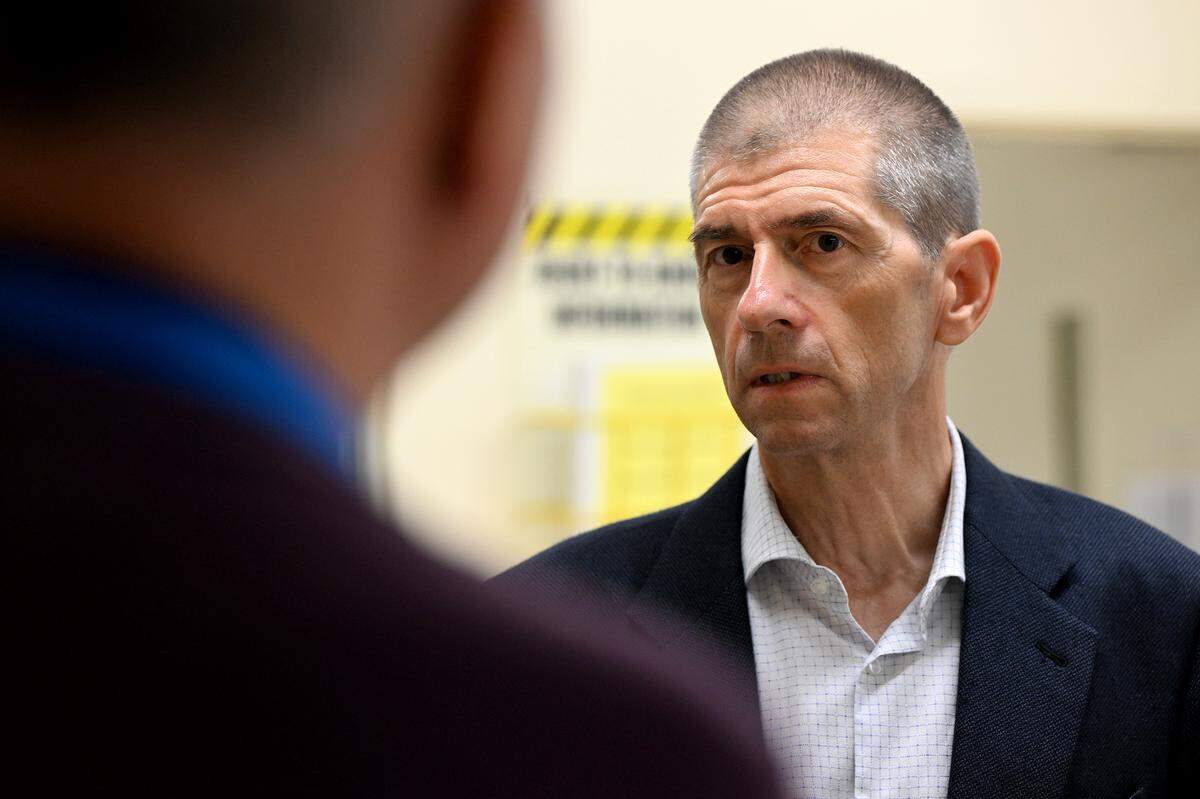
Lead researchers Dr. Michael Mullan and Dr. Fiona Crawford were key members of a team of scientists who in the early 1990s discovered the first known mutations causing early-onset Alzheimer’s disease in the amyloid gene.
Leqembi works by reducing amyloid plaques that form in the brain, according to the FDA.
While it is not a cure for Alzheimer’s, it is the first-ever drug approved by the FDA that slows the progression of the disease — by 27% over 18 months.
“There are other drugs like this that do the same thing. I’m sure we’ll have many more that do the same thing, and maybe better,” Mullan said.
Mullan’s experience with Alzheimer’s research goes back more than three decades to when he was a physician and neuroscientist in the United Kingdom.
He was seeing families whose members were experiencing early-onset Alzheimer’s disease.
“They were getting it in their early to mid-50s,” Mullan said.
His research showed that a gene mutation made some people susceptible to Alzheimer’s due to the accumulation of the amyloid protein in the brain.
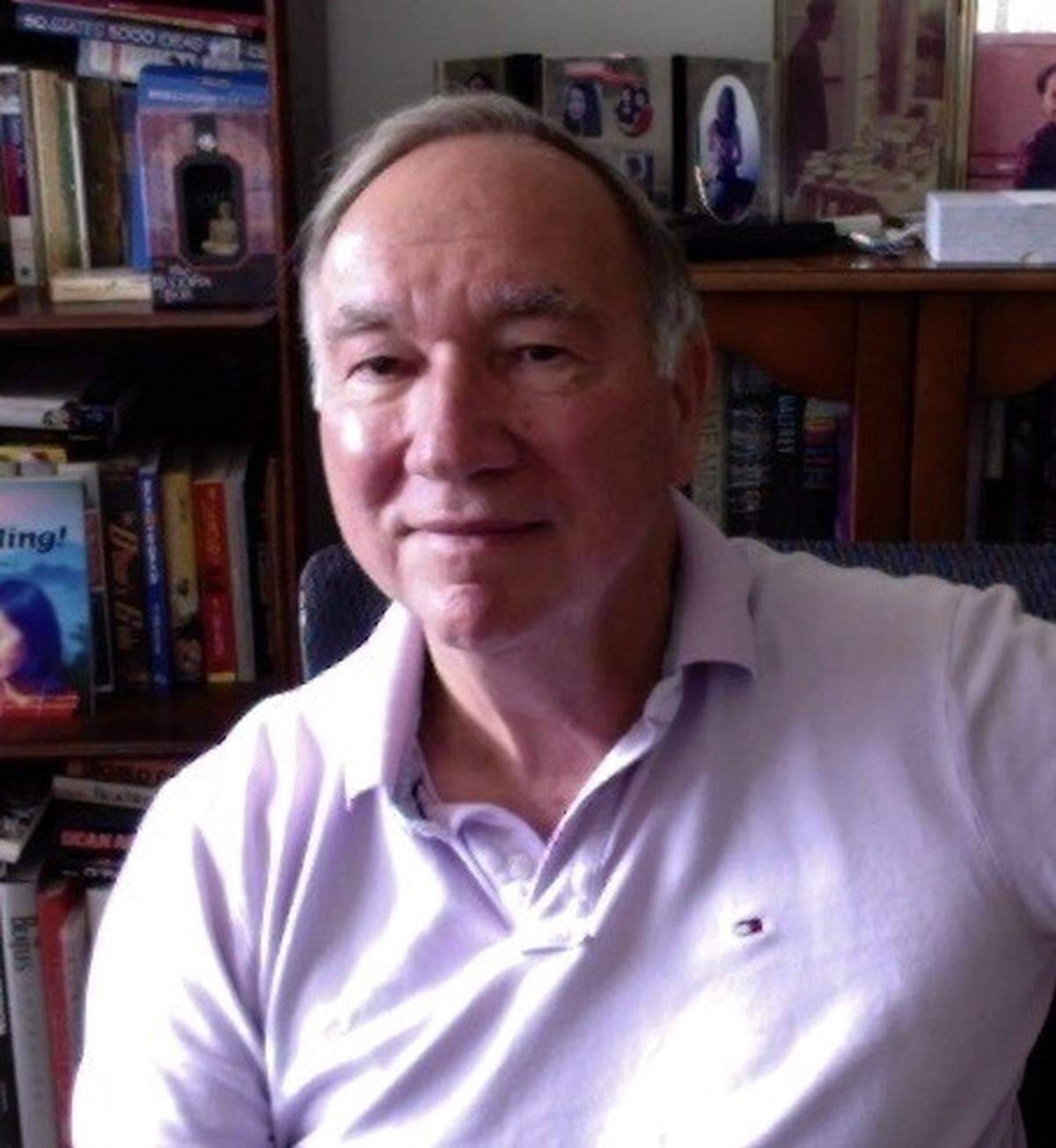
Mullan was able to confirm his theory after one of his patients died from Alzheimer’s at 54.
When the family alerted Mullan to the man’s death, Mullan and a passenger, took the man’s brain, packed in ice, directly from the autopsy and drove it on a motorcycle 100 miles to a lab for study.
Why a motorcycle? To beat heavy London traffic. Time was of the essence.
Afterward, Mullan and his passenger reflected that if he and his passenger had been in an accident, investigators might have wondered about why there were two bodies and a third brain at the scene.
Mullan found that there was indeed a buildup of amyloid in the brain that would have led to the man’s Alzheimer’s.
The confirmation raised Mullan’s hopes that a cure or preventative might come soon.
“We thought that this would be easy. That was 30 years ago, and many, many failed drugs later,” Mullan said this week. “Amyloid turns out to be tricky.”
Roskamp has treated about 6,000 patients in the Bradenton-Sarasota area, some with drugs similar to Leqembi, he said.
“There are a lot of caveats,” Mullan said of Leqembi.
The drug hasn’t been tried in more severe cases of Alzheimer’s, and has not been approved for them, he said.
The drug is not without side effects, some of them potentially lethal, including brain swelling and bleeds in some patients, he said.
Doctors need to exercise caution in prescribing the drug, especially for people on blood thinners.
“The drug is only modest in its effects. The patients are still declining. There is clearly a lot more that needs to be done,” Mullan said.
“There is a question whether we should be doing genetic testing, especially if they have a very strong family history of Alzheimer’s,” he said.
Three patients reportedly died during the clinical trials for Leqembi.
For that reason, Leqembi comes with a boxed warning in the prescribing information to alert patients and caregivers to the potential risks.
A year’s supply of Leqembi costs about $26,500. That could be a big challenge for many patients unless, and even if, Medicare picks up most of the cost.
In addition, Leqembi is for patients with mild cognitive impairment or the mild dementia stage of Alzheimer’s disease, not for those with a more advanced stage of the disease.
“Even so, it offers an awful lot of hope. Maybe 18 more months of normal functioning,” Mullan said. “The effect of this drug is to slow the disease. It’s regarded as a disease modifier and not a symptom modifier.”
Leqembi is the first drug to be converted from an accelerated approval to a traditional approval for the treatment of Alzheimer’s disease.
Who is at risk
▪ Almost two-thirds of Americans with Alzheimer’s are women.
▪ More than 6 million Americans are living with Alzheimer’s. By 2050, this number is projected to rise to nearly 13 million, barring the development of medical breakthroughs to prevent or cure the disease, according to the Alzheimer’s Association.
▪ Older Black people are about twice as likely to have Alzheimer’s or other dementias as older white people.
▪ Older Hispanic people are about one and one-half times as likely to have Alzheimer’s or other dementias as older white people.
Lifestyle choices
Research has shown that lifestyle choices can make a difference in how susceptible anyone is to developing Alzheimer’s, Dr. Fiona Crawford said.
“First of all, control any existing health issues,” she said.
That includes diabetes, atrial fibrillation, high cholesterol and high blood pressure, Crawford said.
Also, watch your diet.
“Chocolate and red wine aren’t the answer,” she said.
And finally, stay active mentally, socially and physically.
Paying attention to lifestyle choices can make a big difference with all types of health, including of the mind.
More about Roskamp Institute
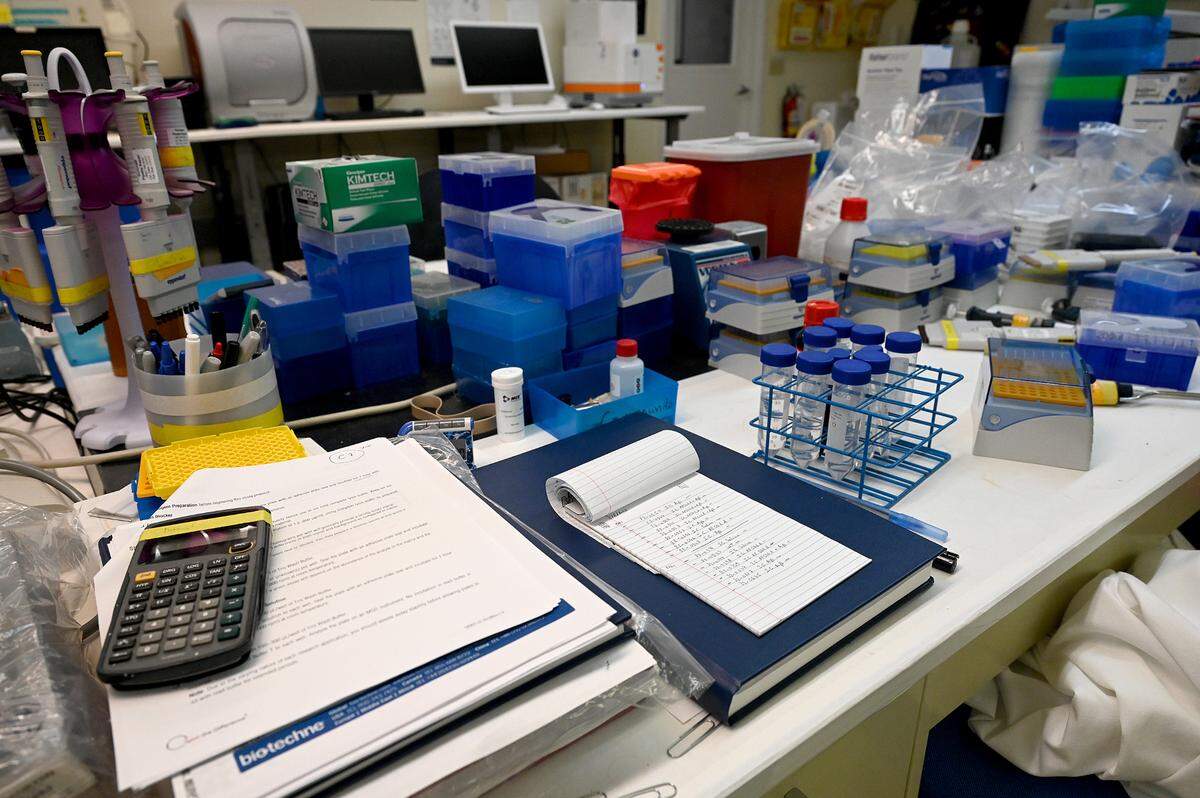
Since opening its doors in 2003, The Roskamp Institute, a 501(c)(3) nonprofit organization, has been a leader in the global effort to better understand and treat diseases of the mind.
In addition to Alzheimer’s and other other neurological disorders, Roskamp has also studied Gulf War Illness and the affects of red tide on the brain.