Watch out for gators and manatees. Spring makes these Florida native animals more active
It’s springtime in Florida, and it’s not just people who like getting out and feeling the sun’s rays on their skin. The state’s natural wildlife also appreciates the season.
Many of the state’s native animals, like bears, bats, waterbirds and sea turtles, become more active in the spring because they are either mating, nesting or raising their young.
The Florida Fish and Wildlife Conservation Commission shared in a series of press releases how Floridians and visitors can avoid conflict with these animals when they cross paths, whether in their homes or on the beaches.
The FWC released a complete list of animals and suggestions on how to interact with them in the spring.
Alligators
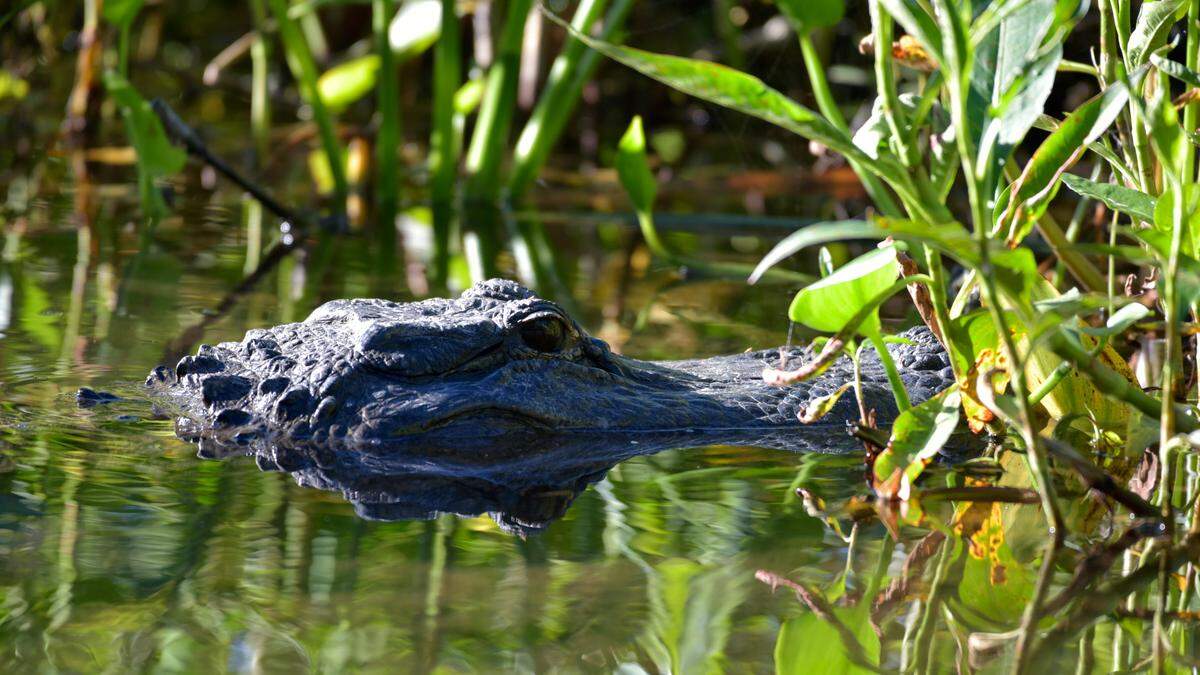
If you live near a marsh, swamp, river or lake in Florida, spring is the time to be especially cautious because the likelihood of seeing a gator is greater.
The FWC recommends the following three steps for safely coexisting with alligators:
- Keep a safe distance if you see an alligator and never feed one. When fed, alligators can lose their natural wariness and instead learn to associate people with the availability of food.
- Swim only in designated swimming areas during daylight hours. Alligators are most active between dusk and dawn.
- Keep pets on a leash and away from the water’s edge and never let them swim in fresh or brackish water. Pets often resemble alligators’ natural prey.
Florida’s bats
Spring is bat maternity season, which begins on April 15 and lasts until August 15. While bats normally roost or nest outside, the loss of natural roosting places in trees and caves is causing concern for state wildlife officials.
As a result of bats’ natural roosting places being lost due to deforestation or growing development projects, they are now more likely to make their nests inside structures and residential homes.
If you want to keep these flying foxes out of your home, now is the time to do some spring cleaning and block any possible entry points bats can use to get inside.
Technically, once a bat gives birth to its pups in the interior of your home, they have squatter’s rights. According to the FWC, blocking bats from their roosts and keeping them away from their newborns is illegal.
If a bat is separated from its roots and pups before teaching them to fly, the baby bats can become trapped inside the home and die,
According to the FWC, installing a bat exclusion device is the only legal way to remove bats from a residence or structure.
Exclusion devices allow bats to leave a structure but prevent them from returning to their roosts. According to the FWC, exclusion devices are legal for use between Aug. 15 and April 15.
The Florida black bear
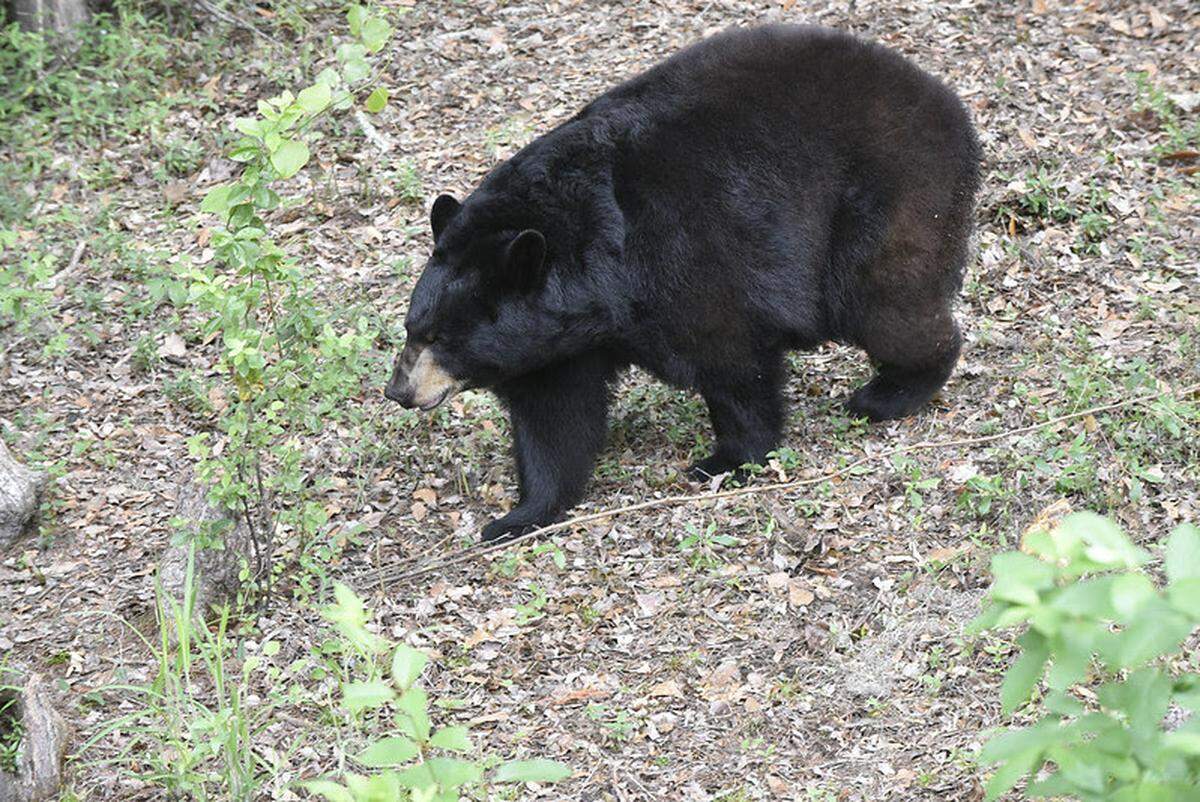
In the spring, mama bears in Florida are busy teaching their cubs what to eat and other survival skills.
Residents should be cautious since bears may easily find five-star meals in their trash, pet food or bird seed feeders.
To avoid inviting bears into their backyards or neighborhoods, homeowners can remove possible bear food sources from their property.
According to the FWC, bears will leave if they can’t locate food in your yard or nearby areas.
Snakes
Snakes also become more visible in the spring due to the warmer weather, so keep an eye out for these slithering critters if you’re out in the yard or on a nature walk.
According to the FWC, if you come across a snake, give it some space and attempt to avoid it.
Gopher tortoises
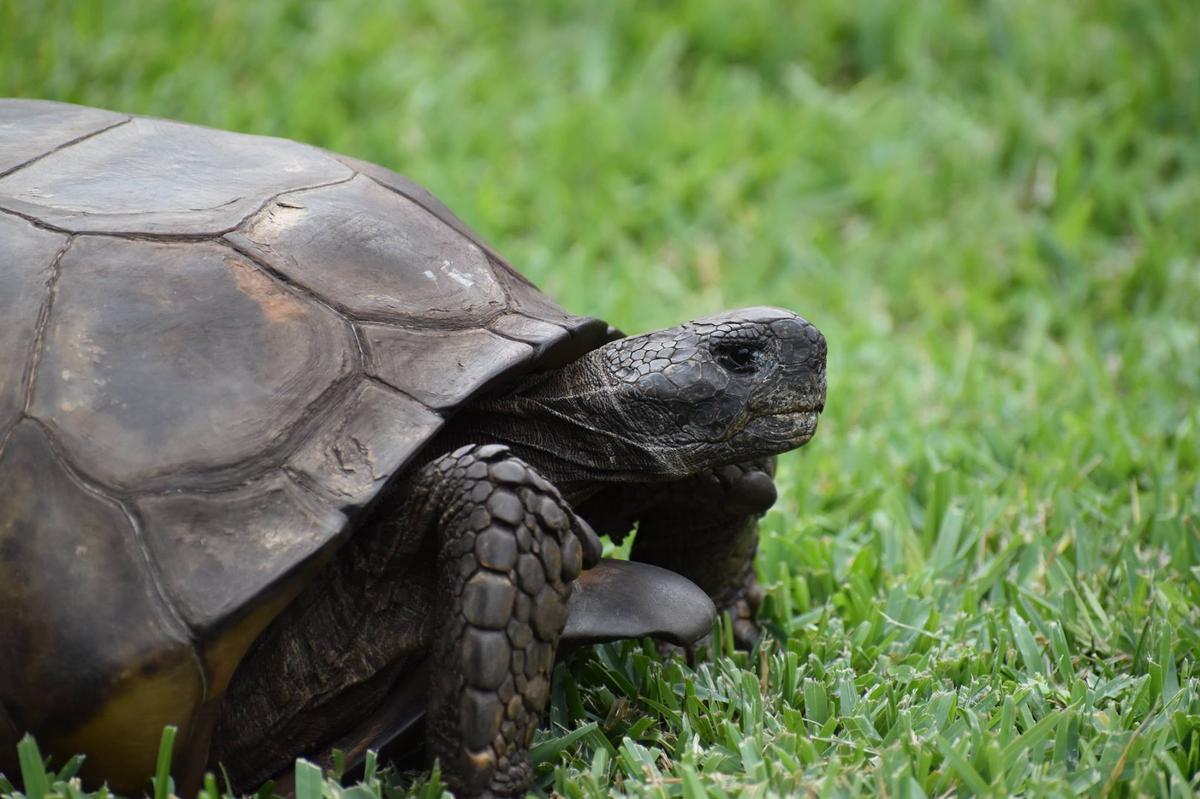
The gopher tortoise is Florida’s only native tortoise. Gopher tortoises are often seen in the spring looking for food and a mate.
If you encounter one, the FWC says it’s best to leave it alone.
However, in some cases, the tortoise might actually need your help.
If you encounter a tortoise attempting to cross a road, pick it up and place it in a safe location along the roadside in the direction it is heading.
Remember that the tortoise is a land animal, so if you move one, never try to put it in water, the FWC said.
Gopher tortoises can be identified by their stumpy, elephant-like back legs that are not webbed. Their front feet are shaped like shovels, and they dig holes with them.
Florida manatees
While many people will be out on the water in boats or other watersport vehicles in the spring, be mindful of manatees lurking beneath you.
According to the FWC, spring is when manatees leave their winter habitats and travel the waterways along the Atlantic and Gulf coasts and other inland waters, increasing the chances of close encounters between manatees and boaters.
While out on the water in the spring, boaters should obey posted speed restrictions, as many places have seasonal zones that reflect manatee migration patterns. This can help boaters avoid a collision with sea cows.
“While manatees are large, they can be difficult to see in the water. That is why it is important to go slow and follow all manatee protection zones,” the FWC said. “Wear polarized glasses and look out below while boating or using personal watercraft — a visible snout or large circles on the water are indicators that manatees are below the surface and always give manatees space.”
.jpg "unnamed (2).jpg")
Sea turtles
In Florida, there are five different types of sea turtles, which begin nesting on Florida beaches in the spring and continue until the end of the fall.
During the nesting season, it is especially important to keep the beach dark at night.
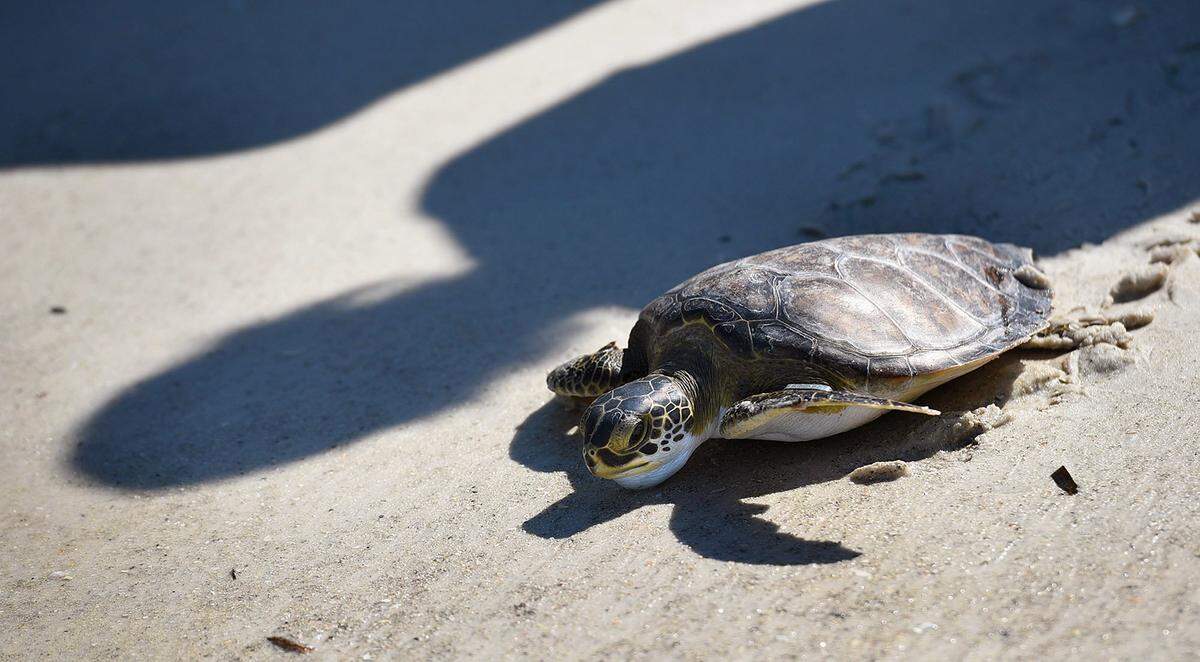
“Artificial lighting can disturb nesting sea turtles and disorient hatchlings, so avoid using flashlights or cellphones on the beach at night,” the FWC said. “Turn out lights or close curtains and shades in buildings along the beach after dark to ensure nesting turtles aren’t disturbed.”
Additionally, beachgoers can help by filling in holes in the sand that turtles can fall into and removing boats and beach equipment at the end of their beach day, the FWC said.
Waterbirds
Beachgoers in Florida should be cautious and keep a safe distance from waterbirds on the sand and in the water during springtime.
If you approach the nesting birds on the seashore, they may become irritated and abandon their nest, which can potentially cause harm to their unhatched young.
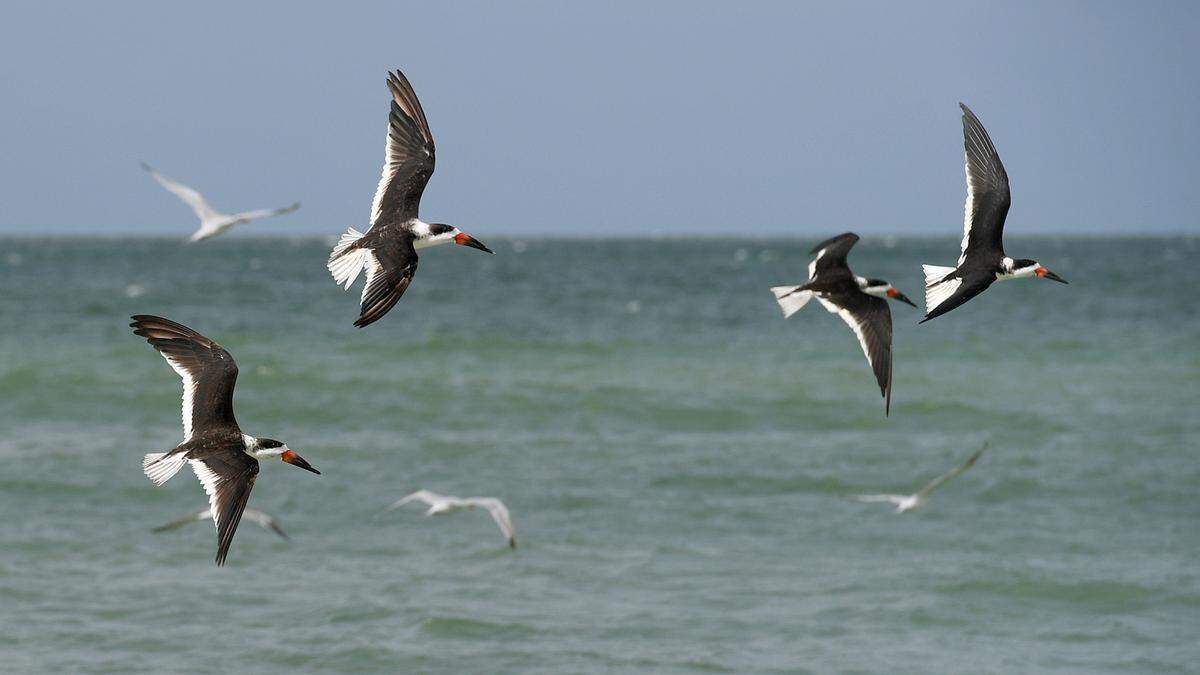
If the nest is abandoned, the eggs and chicks are exposed to predators, sun exposure and other hazards.
As a general rule, the FWC recommends remaining at least 300 feet away from the waterbird’s nest. The birds build well-camouflaged shallow nests of sand and shells on beaches. Unless people keep an eye out for them, their nests, eggs and chicks are at risk of being crushed.
Orphaned wildlife
Because many animals are born in the spring, there is a chance that these newborn animals will become separated from their parents. However, people should keep in mind that the parent may actually be close.
According to the FWC, if you come across a baby without its parent, simply leave it alone. The parents are most likely nearby, looking for food, the FWC said.
Florida residents can report common wildlife they think could be injured or orphaned to a licensed wildlife rehabilitator in their area.
This story was originally published April 7, 2023 at 4:08 PM.