
How the Gulf of Mexico in Florida beats the Keys for yellowtail fishing
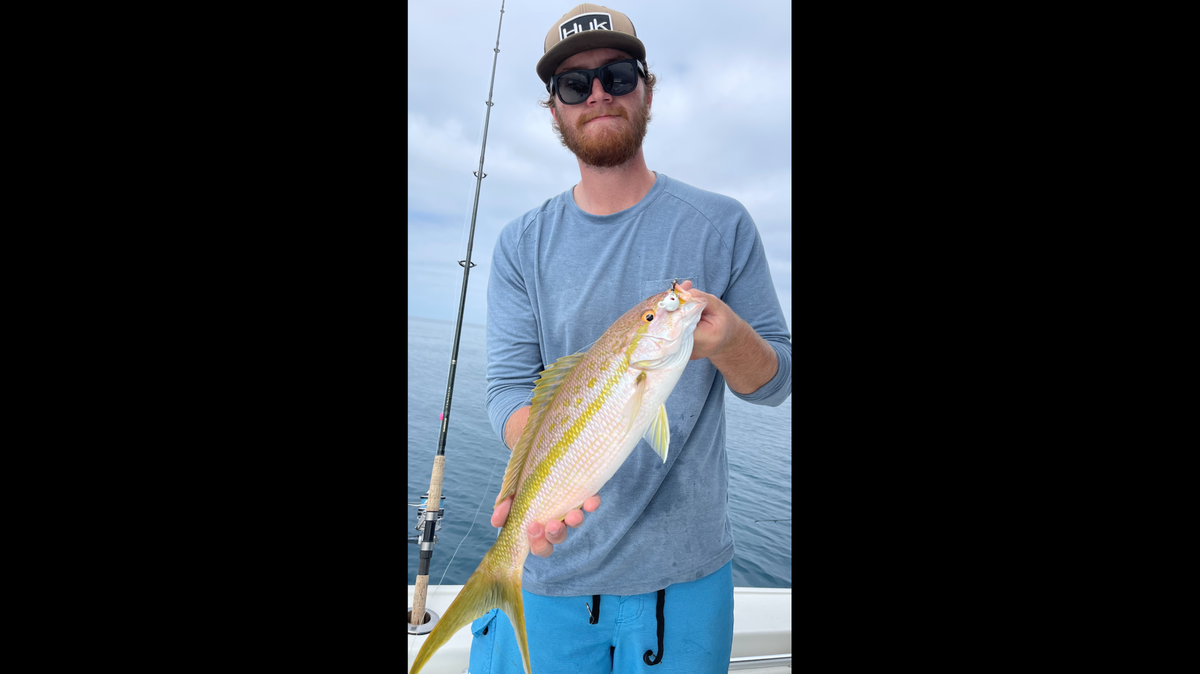
Last summer I was fortunate enough to spend time in the Florida Keys chasing lobster and doing a little fishing.
In my mind, we’d chase yellowtail snapper along the reef line and come home with some for dinner. The day was beautiful and the water was pristine, but the quality of yellowtail were all small and after catching 40 or 50 — not one was big enough for the cooler.
In my talks with locals and other frequent visitors, this seems to be the norm for the Florida Keys. I love yellowtailing, so the thought of getting onto a school of small ones was disappointing. The Keys was supposed to be the best yellowtail snapper fishing in the world.
But it’s not. That title might actually belong to the west coast of Florida, our own backyard.
Yellowtail snapper have always been available in the Gulf but not nearly in the numbers they are seen now. They used to be more of a rarity and catching them was usually done on bigger structure reefs, wrecks and springs in the deeper and southern areas of the Gulf further than, say, 30 miles offshore.
When I started targeting more snapper about 20 years ago, we’d occasionally get yellowtail snapper around 20 to 30 miles, but it was more of a by-catch than a target and hearing of them being as far north as the shipping channel was not normal. For a limit, you had to be lucky to get on a school in the deep Gulf.
Now? Yellowtails seem to be everywhere and anglers have been fortunate enough to take part in one of the biggest growing fisheries we have available.
On my most recent trip in the Gulf, I wanted to specifically target yellowtail snapper. Most anglers who do so visit those springs and wrecks I mentioned. But since it was a calm day most of those would have boats, so instead I visited a ledge in about 110 feet of water. We ran southwest out of Anna Maria Island, as the further south you can run the higher consistency of yellowtail snapper.
When we pulled up to the 5-foot rocky ledge, the depth finder showed schools of fish throughout the water column. Dropping shrimp on light jigheads and the snapper immediately began to bite, with mostly yellowtails but also a few mangrove snapper coming to the surface.
I sent down the GoPro for an underwater look. What I saw was thousands of yellowtail snapper! It was quite the sight and for something that wasn’t typical yellowtail snapper bottom, it was amazing to see.
It was the middle of the day in February and we ended up catching our yellowtail and and mangrove snapper 5-per-person limit in a short amount of time using light tackle. The biggest problem became the large amberjack that moved in, attempting to eat the smaller yellowtails we were catching. Normally I would throw back 13- to 14-inch yellowtails in an attempt to get bigger, but each one released had no shot of survival so we kept our limit sooner with some smaller fish.
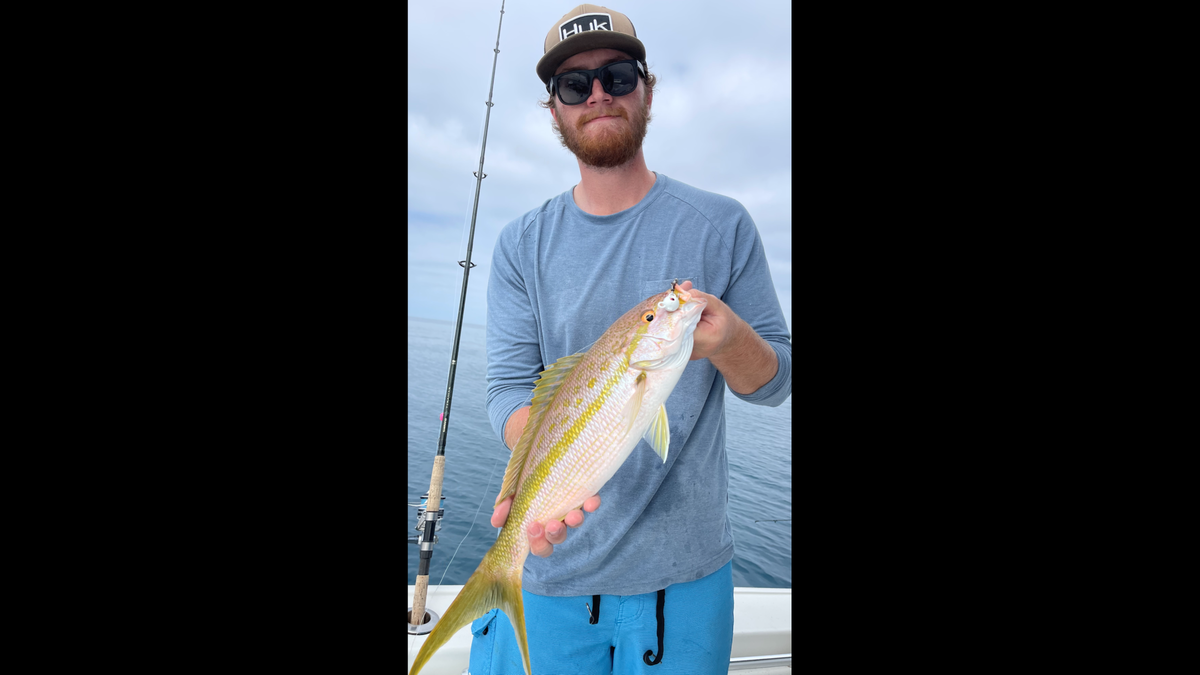
And it’s not only the number of yellowtail snapper being caught, it’s the size. Many fish over 20 inches are being caught, and almost every nice day, anglers have been bringing home fish pushing almost double-digit pounds. Giant yellowtails are being caught with such regular occurrence anglers are having a hard time believing it. The world-record-sized yellowtail snapper is no doubt out in the Gulf, and something that could fall soon.
It’s a world-class fishery that keeps getting better and one I love out in the Gulf. They taste great and are a fun fish to target with the colorful display they show.
This story was originally published March 6, 2023 at 12:55 PM.