
How did Hurricane Ian change Tampa Bay area waters? Here’s what fishermen say
As Hurricane Ian pulled away from west central Florida, it left behind historic rainfall, chopped up waters and our first taste of fall with cooler weather.
While the Tampa Bay area was once again spared from potential catastrophic damage, the local effects of Ian might last for months to come as inland water levels recover from record heights.
The most noticed change is the quality of the water. Late summer is typically not great for visibility before we transition to fall and winter, when water clarity clears up with less rain.
Inshore waters have resembled coffee as sediment stirred, and river water has flushed out into the bay and Gulf with overflowing rivers from rainfall.
But that will clear with time, and in the meantime the fish don’t seem to care.
“I went out after the storm and was scouting for bait,” said Captain John Gunter, who specializes in fishing Tampa Bay and the neighboring flats.
“Where I was catching bait before the storm had nothing, not even pinfish. But I found an area that was loaded. I couldn’t see it in two feet of water but chummed and blind threw the net and it was all I needed.”
Gunter, like many other local captains, is looking forward to getting back on the water for the fall seasons after what could have been a life changing event. He is now focused on what targets lie ahead. After catching bait he went in search of fish.
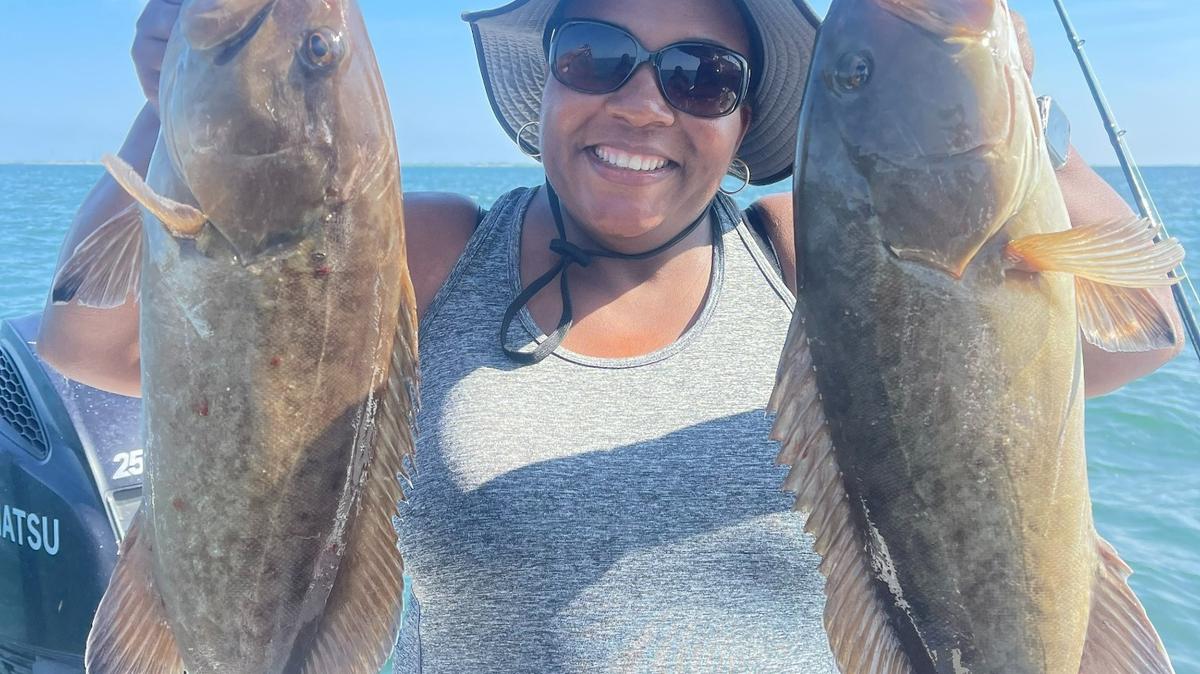
“The inshore bite was slow. We went gag grouper trolling along the edges of the shipping channel. I wasn’t sure how they could even see the bait with how dirty it was, but doing it for only an hour and a half we got two keepers, about eight short fish and broken off by another two. They were eating.”
Gunter has become one of the best at targeting gag grouper around the shallows of Tampa Bay. He trolls plugs, spoons and jigs along their heavy bottom structure and ledge homes, or livebaits them with pinfish when the conditions allow. Most days produce a few keepers with the peak shallow water season coming up as the water cools into the 70s.
“It’s definitely going to get better. The big male fish start coming in, usually right around now with the first cold front. Most of the fish we’re catching in the summer are the female resident fish.”
For this year the seven-month long gag grouper season will end when the calendar turns to 2023. But changes ahead mean the favorite fall and winter target will be reduced to just over two months, from Sept. 1 through Nov. 10.
“I’m not sure I agree with the closure,” said Gunter. “They say it’s because of the lack of male fish. I think this year has been one of the best gag grouper seasons I’ve seen nearshore in a long time. I think everyone caught more compared to the last few.
“I know the bay bite the last three years has been excellent in November and December, and we won’t have that next year. We might not get it back for a while so now is the time to get out.”
Safe boating tips
The Florida Fish and Wildlife Conservation Commission (FWC) reminds boaters across the state that the scope of the storm was large and affected both coastal and inland waterways.
Some areas are still experiencing high water and flooding and might not be accessible. If you are in affected areas, please stay off the water and out of the way of boats directly involved in storm response.
If you must go on the water, proceed with extreme caution, maintain a safe speed at all times and remember Florida statutes require all vessel operators to maintain a slow speed (minimum wake) within 300 feet of any emergency vessel when the emergency lights are on.
Even if you are familiar with the route and surrounding area, expect to find new underwater hazards, so pay close attention and look out for submerged navigation aids and changes to water depth caused by shifting sands.
Storms can cause hazardous water conditions by altering the location and condition of pilings, trees, shoals, sandbars and navigation markers. As always, ensure you and any passengers on board are wearing lifejackets.
If you are on the water after sunset, observe any curfews in place in your area, elevate your awareness and attention to your surroundings, use navigational lights, and remain at a slow speed.
— FWC