‘It’s changed drastically.’ Fast-growing Parrish brings new people, homes and frustrations
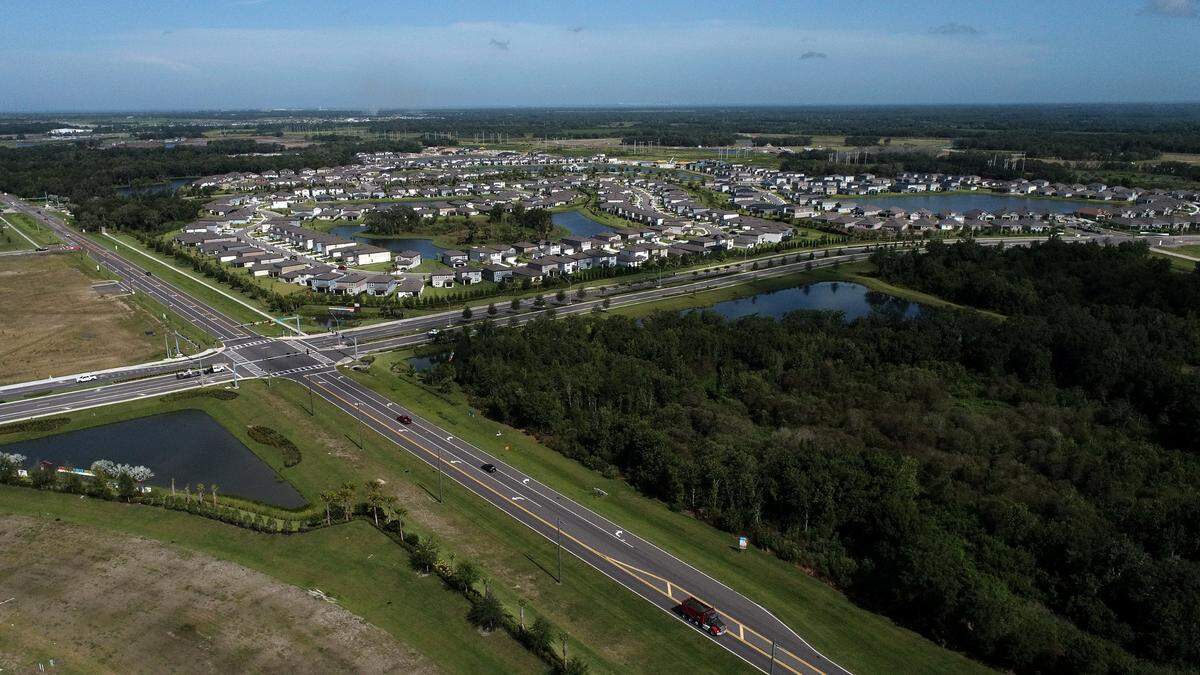
It’s hard to overstate the changes that have come to Parrish in the past two decades.
It wasn’t so long ago that U.S. 301 was a two-lane road without a traffic light.
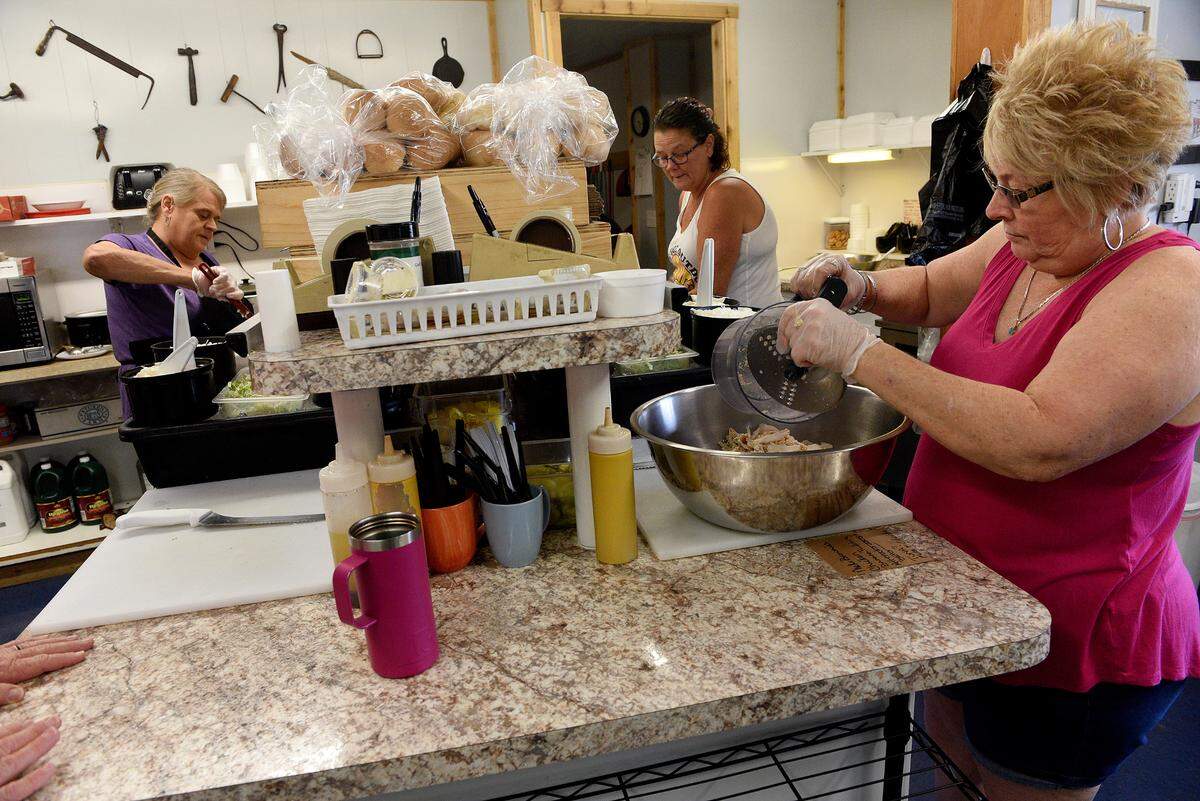
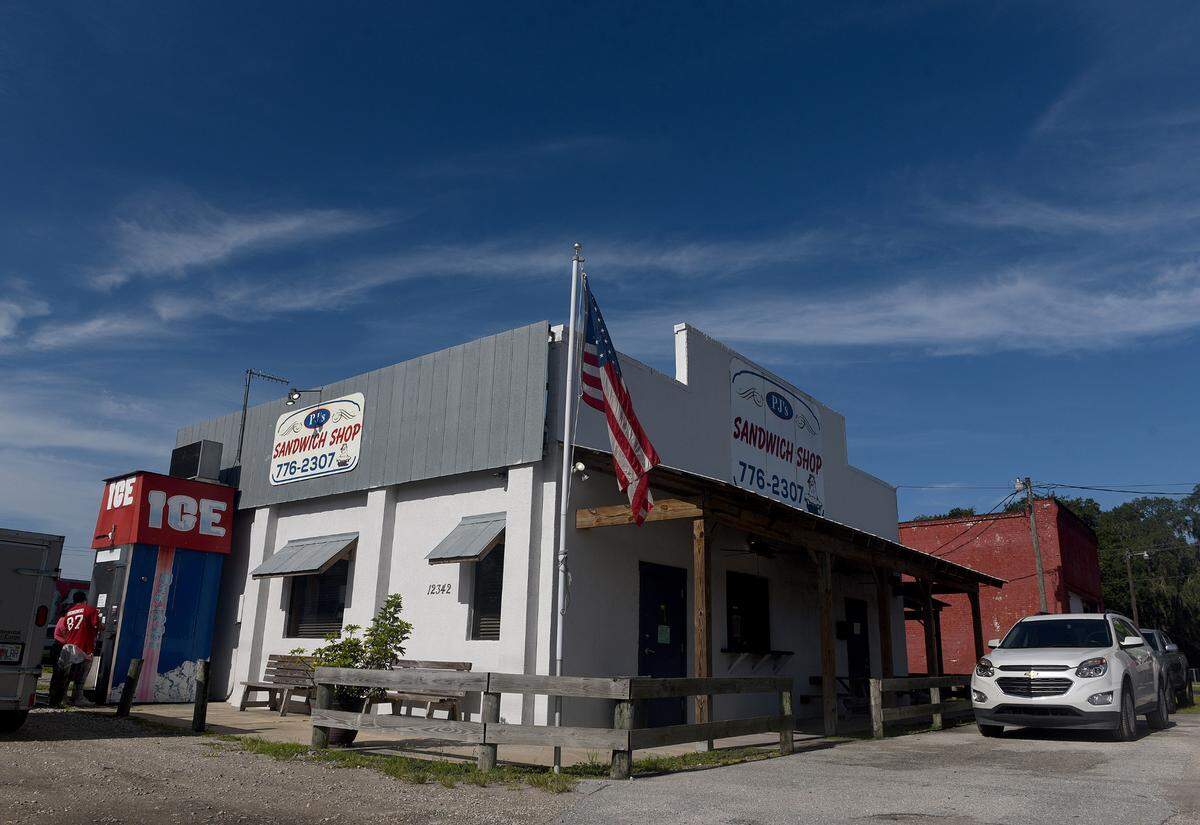
Ask Teresa Giles, owner of PJ’s Sandwich Shop, 12342 U.S. 301 N. “It’s changed drastically,” she said.
“We used to close at 2 o’clock because the sidewalks rolled up in Parrish. Most people don’t know really what Parrish was about or where it came from or how it started. It was farmers and grove people and dairy men and ranchers, it was all rural. We’re not too rural anymore,” Giles said.
“Everything keeps evolving and changing, nothing stays the same,” she said.
In the past, most of the growth was along Old Tampa Road or south of the village.
That’s changed with new neighborhoods sprouting up north, south, east and west of town, spurred in some measure by the Fort Hamer Bridge, which opened in 2017.
With all that growth, the amenities Parrish residents have been wanting for years seem to be becoming reality — but not always in the preferred order or fast enough.
Here’s the list:
▪ Hospital. Two of them are planned on Moccasin Wallow Road. Only one has announced an opening date – 2025.
▪ Community park. Ground breaking expected in early 2023.
▪ Schools. Parrish Community High School and Barbara Harvey Elementary School opened in 2019. State College of Florida Manatee-Sarasota has plans to construct a campus across from the high school with completion of the first phase in six to 10 years.
▪ Supermarkets. Publix already has stores near Parrish’s Silverlefe community and in the Gateway Commons Shopping Center. A third Publix is planned at North River Ranch. Look for Aldi to come to Creekside Commons as well.
▪ Sewer. Well, maybe.
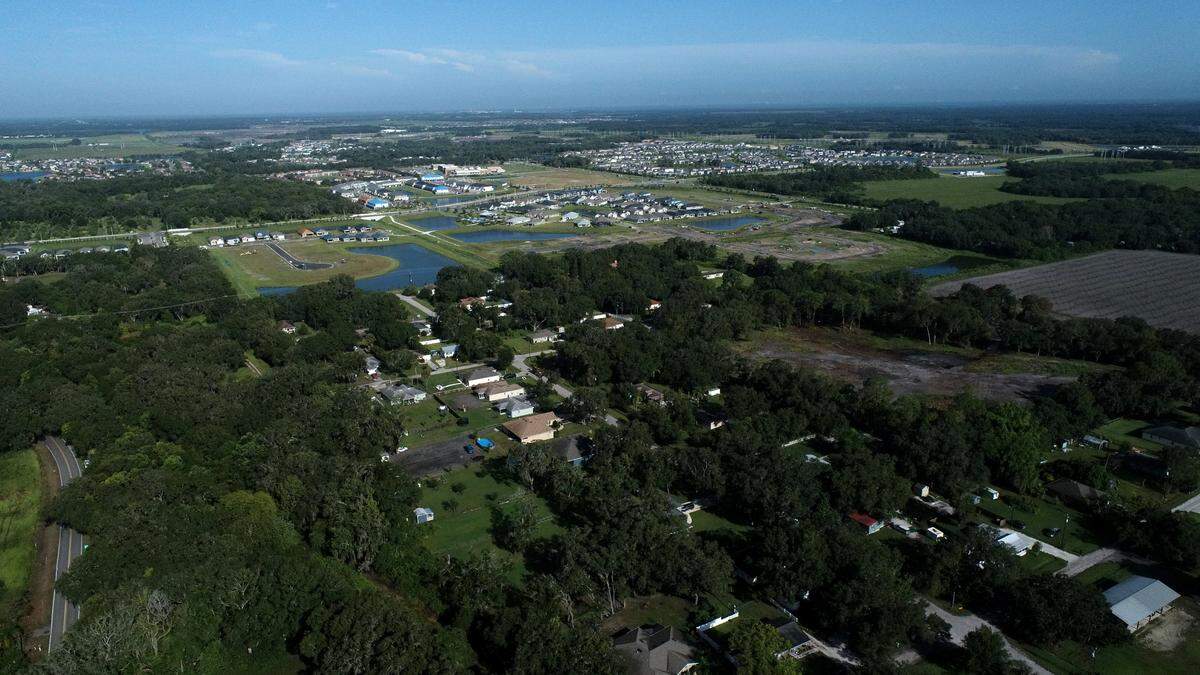
That last item on the list, sewer, has been the most problematic for the village of Parrish.
The northern half of the traditional village of Parrish, where settlers began arriving in the late 1800s to farm, remains without sewer service, unlike the southern part and the new neighborhoods that surround it.
That is at least partly by design. In 2015, Sia Mollanazar, then Manatee County’s deputy director of public works, said the new developments coming to Parrish would help bring sewer service to the downtown area.
“Because it’s a big line, we need flow,” Mollanazar said of the planned 12-inch main.
North River is growing
Developers have been doing their part to provide the flow. In 2015, former Manatee County planing official John Osborne estimated that for the area known as North River — Parrish, northeastern Palmetto and beyond — 23,095 dwelling units already had been approved or were pending approvals.
The number of homes planned in the North River area has likely grown since the 2015 estimate, although Manatee County officials were unable to provide an updated estimate at publication time for this story.
In North River Ranch alone — the largest master planned community in the Parrish area — the population could eventually reach 28,000 by build out in the next decade, developer John Neal has said.
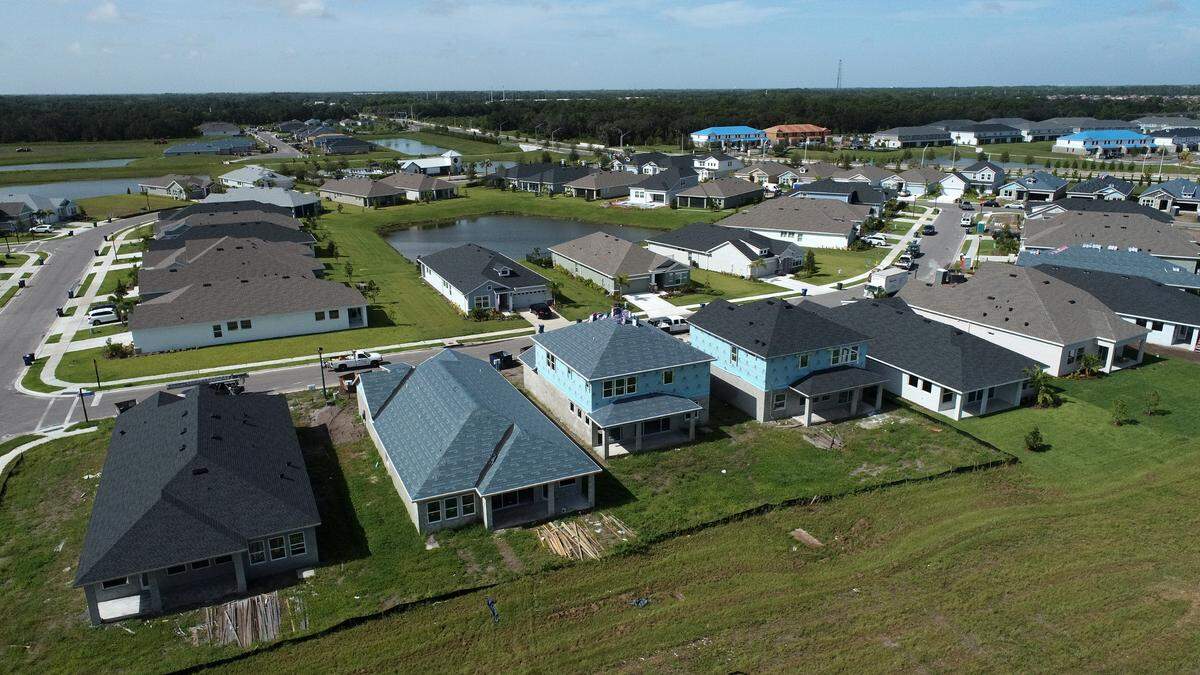
KB Home and Park Square Homes, two of the home builders in North River Ranch, are near sellout within the community’s Brightwood neighborhood.
“We continue to see out-of-state transplants in the region, but a large portion of home buyers in Parrish and specifically North River Ranch are coming from nearby and now denser areas like Tampa and Sarasota,” Neal said.
“Regarding construction progress, we’ve got exciting developments underway at North River Ranch including new amenities, the expansion of the community-wide trails, the upcoming Market Walk grocery-anchored plaza, and the future health-oriented Village Center that will allow residents to walk or bike to shopping and businesses from any part of North River Ranch,” Neal said.
Future funding for the sewer
To fund the sewer through Parrish, Manatee County officials have turned to the federal government, requesting a $4 million grant from the American Rescue Plan, said James Satcher, the county commissioner who represents Parrish, part of sprawling District 1.
The American Rescue Plan Act was signed into law by President Biden on March 11, 2021, providing $1.9 trillion for a wide range of programs and projects, including funding for sewer systems.
The planned 3,200 linear feet of force main and and 250 feet of gravity sewer would go a long way toward closing the gap on sewer, which has impeded development plans, including often-requested new sit-down restaurants.
In 2011, members of the Parrish Civic Association presented a wish list of improvements, topped by a request for sewer, storm water improvements and the widening of U.S. 301 north of the village.
Action plan and ‘a lot of frustration’
In 2019, the Mellgren Planning Group, a Fort Lauderdale-based urban planning firm retained by the county commission, gathered feedback from Parrish residents on what they wanted for their community.
High on the 2019 list was “placemaking.”
This typically requires a combination of creating great public spaces along with programming to bring those spaces to life.
Hosting arts and crafts fairs, antiques fairs, swap meets, farmers markets and other celebrations around the historic train station, Parrish Village Main Street, Parrish Village Central Park and within the proposed academic cluster corridor would help create a destination versus merely a place to drive, the action plan said.
For many the changes can’t come fast enough.
“There is a lot of frustration. We have a bedroom community without a lot of amenities,” Jennifer Hamey, president of the Parrish Civic Association, said recently.
“We want the boutique shops, the candle stores, the quaint downtown,” she said.
The downtown area, the planned community park, the schools and the Florida Railroad Museum should all be within walking distance, she said.
Community recreational facilities
One of the most significant changes coming is the Parrish Community Park at 12214 U.S. 301 N., across the street from Parrish Community High School.
Envisioned for the park are a performance pavilion, picnic area, restrooms, parking, walking trails, 20 fitness stations with exercise equipment, a boardwalk in the wetland area with observation platforms, festival seating, playground and a splash pad.
The park is scheduled to be completed by December 2023 at a cost of $10.7 million.
Parrish residents would like to have a band shell, an area for food trucks and possibly a skateboard park in a community festival park setting, Hamey said.
The park would total about 17 acres with approximately half of that coming from property now owned by the Florida Department of Transportation.
The county commission is set to finalize the purchase of that property at its Sept. 13 meeting, Satcher said.
“I appreciate the cooperation and hard work of L.K. Nandam at FDOT and Dr. Hopes working on this for the community,” Satcher said.
Scott Hopes is the Manatee County administrator and Nandam is district secretary for FDOT.
At some point in the future, the Manatee County capital improvement plan calls for a 25-yard pool with multiple lap lanes and a side shallow area for aqua fitness and swim lessons. Design of the $13,092,000 swim facility is not scheduled to begin until late 2024 with construction planned for 2027.
Florida Railroad Museum
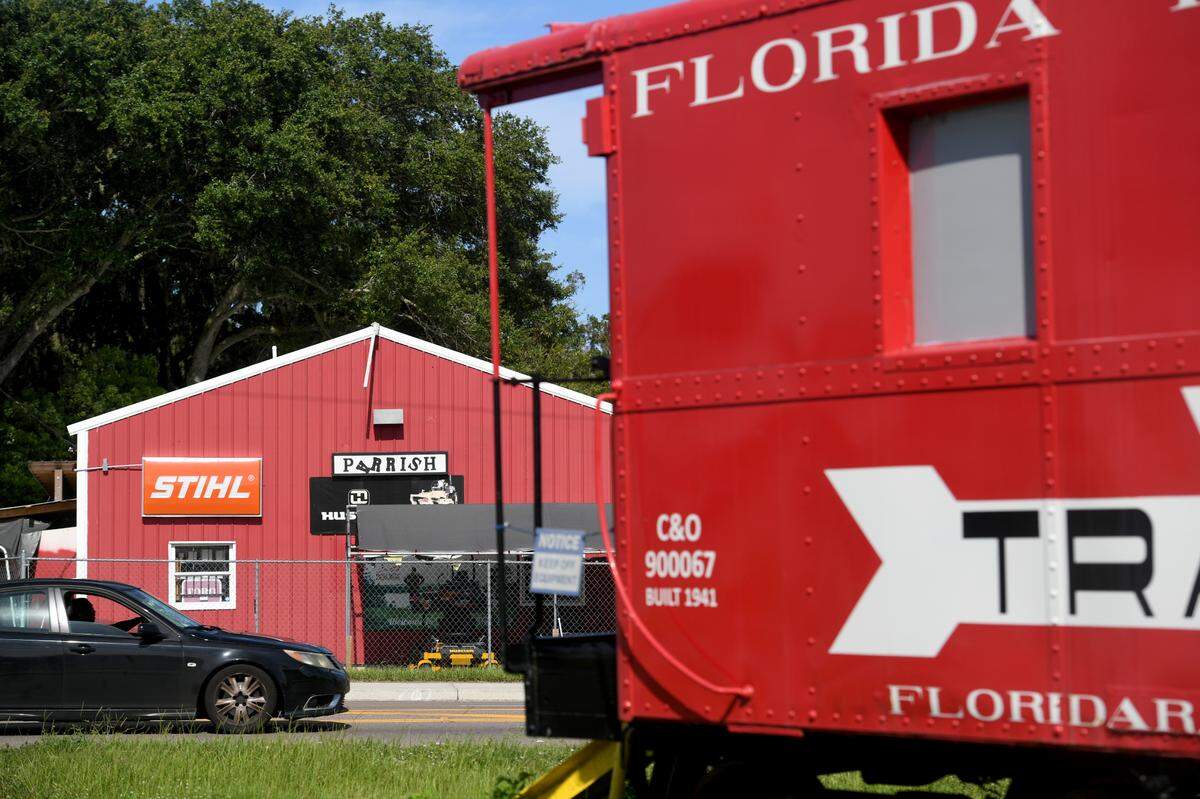
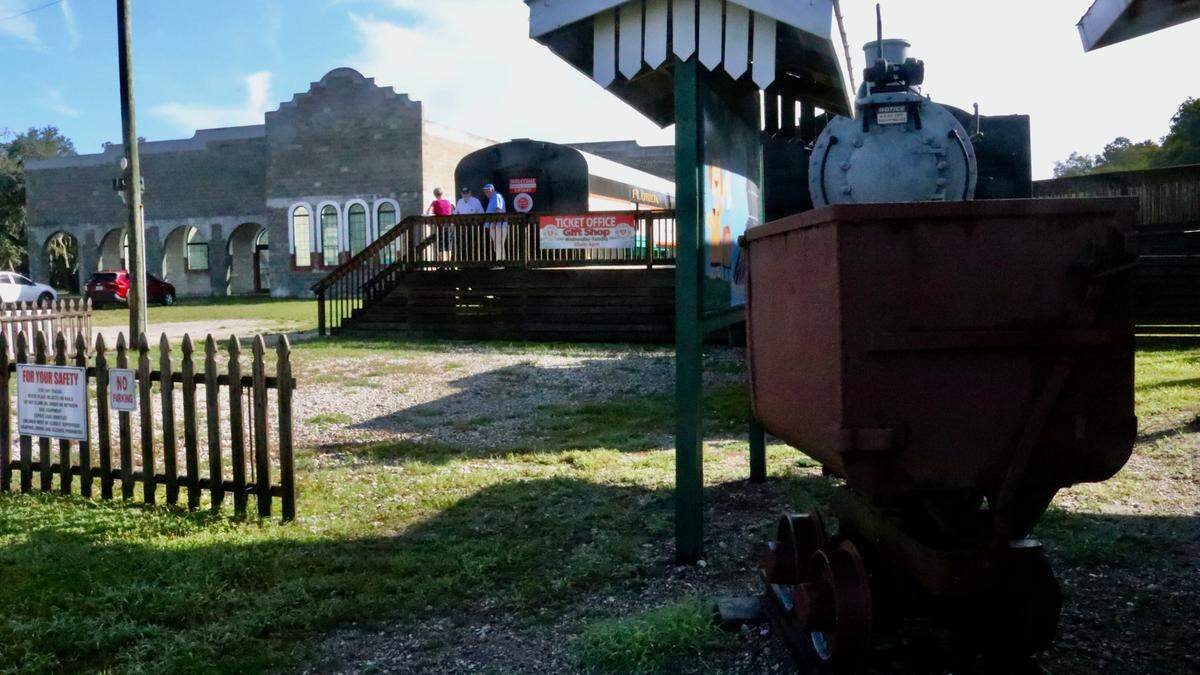
An integral part of Parrish’s plans for the future is the Florida Railroad Museum, which in addition to being its most popular attraction for visitors, offers the promise of new event and community gathering space.
The 25,000-square-foot, multi-million facility at 12210 83rd St. E. is still probably about two years, and $2.2 million, from completion.
But the walls are up and the windows and doors have been installed, and it’s easy to visualize the future: a ticket office and display area up front and the 5,000-square foot “freight room” to one side. The freight room will be equipped with restrooms, making it suitable for hosting wedding receptions, community meetings, talks and other special events.
And yes, the museum will eventually be connected to the planned sewer.
“We are really proud of it. We were able to stay open all through the pandemic and had to cancel only one event,” Stanley Kotas, museum president, said.
Manatee County commissioners pledged up to $1.7 million in tourist bed tax money in 2017 for the museum project, reimbursing the nonprofit for half of its construction expenses.
Even so, the spike in construction material prices during the pandemic has driven up costs.
For more information about museum events, memberships and donations, visit https://www.frrm.org/ or call 941-776-0906.
Tiffany Tompkins contributed to this story.
This story was originally published August 11, 2022 at 5:45 AM.