Juneteenth in Bradenton: A holiday for African-Americans to honor their ancestors
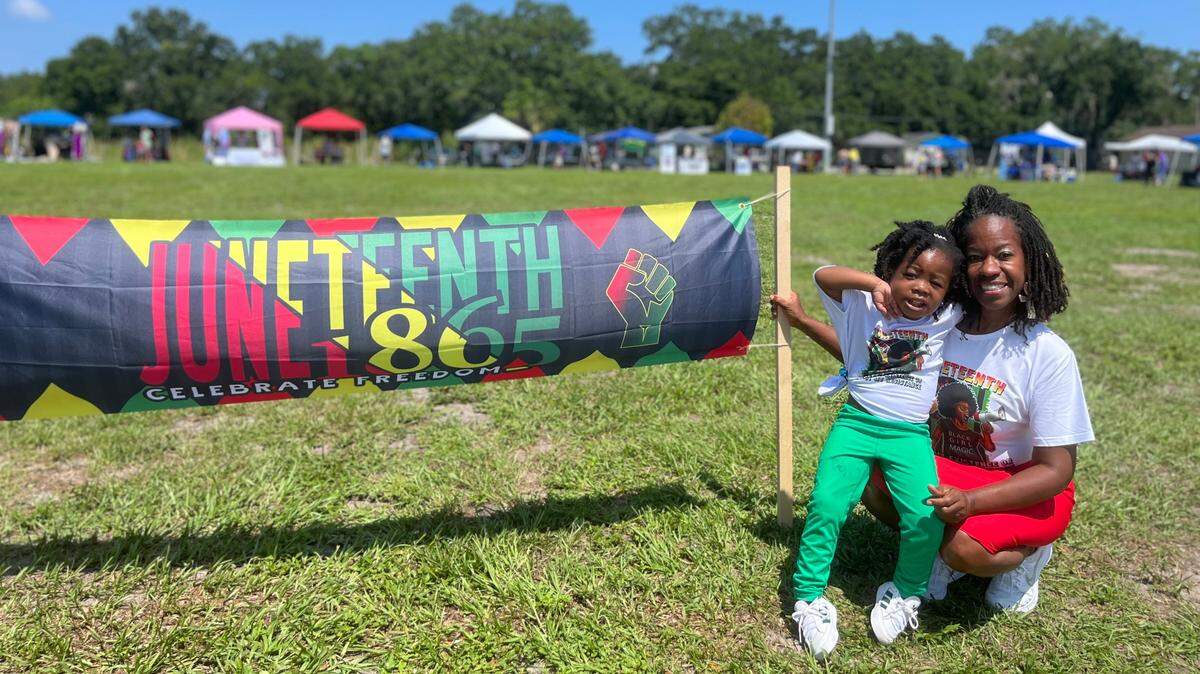
On Saturday, residents came together at the second annual Juneteenth Community Festival, held at 13th Avenue Dream Center in Bradenton, to honor the holiday, which marks the end of enslavement for Black people in the United States.
The celebration, which originated in Texas, has now become a federal holiday and is recognized in many communities across the nation.
Maureen Simmons, an adjunct professor in reading at Hillsborough Community College, walked around the festival and made stops at the vendors with her granddaughter, Jalia Copper.
“I get chills and teary-eyed when I think about what this day actually means,” she said. “Juneteenth is a day we respect and honor our ancestors who paved a way and saved us from a lot of blood, sweat, and tears.”
June 19, 1865, was the day Union General Gordon Granger announced that the civil war and slavery would end in Galveston, Texas.
However, enslaved people in Florida were freed a month before.
On May 10, 1865, Florida’s Confederate troops surrendered to Union General Edward M. McCook in Tallahassee. On May 20, McCook read President Lincoln’s Emancipation Proclamation from the steps of the Knott House and officially freed enslaved people in the state.
Traditionally, Floridians acknowledge May 20 as Emancipation day.
The Jan. 1, 1863 Emancipation Proclamation stated “that all persons held as slaves” within the rebellious states “henceforward shall be free.”
Florida and Texas were the last states to end slavery, two years after Lincoln’s original announcement.
Ciara Cosby, a resident of Palmetto and member of the Manatee Freedom and Heritage initiative, wore a “freedom over everything” shirt to the festival. She said it was important to her to bring her children out to celebrate the holiday because of how the day shaped the identity of African-Americans
“Juneteenth is important because it starts off our History in America as free Black people and we must acknowledge that,” she said. “I want to make sure my children know where they come from, their culture, community, and people. Identity formation is a big deal.”
Bradenton’s first Juneteeth celebration in 1996
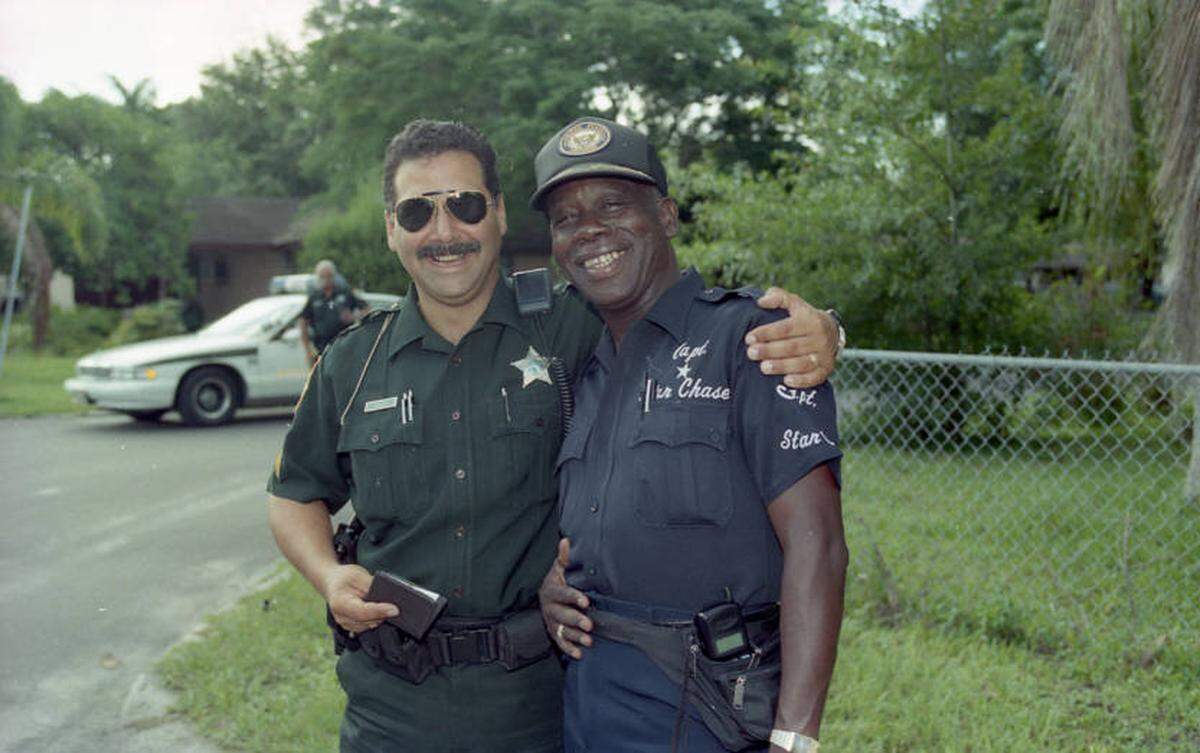
Juneteeth isn’t a new tradition in Bradenton. In 1996, the Police Athletic League, also known as PAL, partnered with local community members to organize the city’s first celebration, which included a parade and festival. Manatee County Sheriff’s deputy McArthur Seller, Ruby Fobbs, Floyd Roundtree and Willie Clemons Jr, former Director of Palmetto Youth Center and 13th Avenue Youth Center and a charter member of Rural Health, organized the first event.
Fobbs was at Saturday’s event. She told the Bradenton Herald what inspired the group to facilitate the first festival 26 years ago.
“Mr. Clemons mentioned doing a festival, so we started doing research on it.” she said. “We saw other cities would have a parade, a king and queen. We made sure we had all of that.”
Back then, the festival was held at PAL, where they had vendors, performances, churches, and a pageant to crown Bradenton’s king and Queen of Juneteenth.
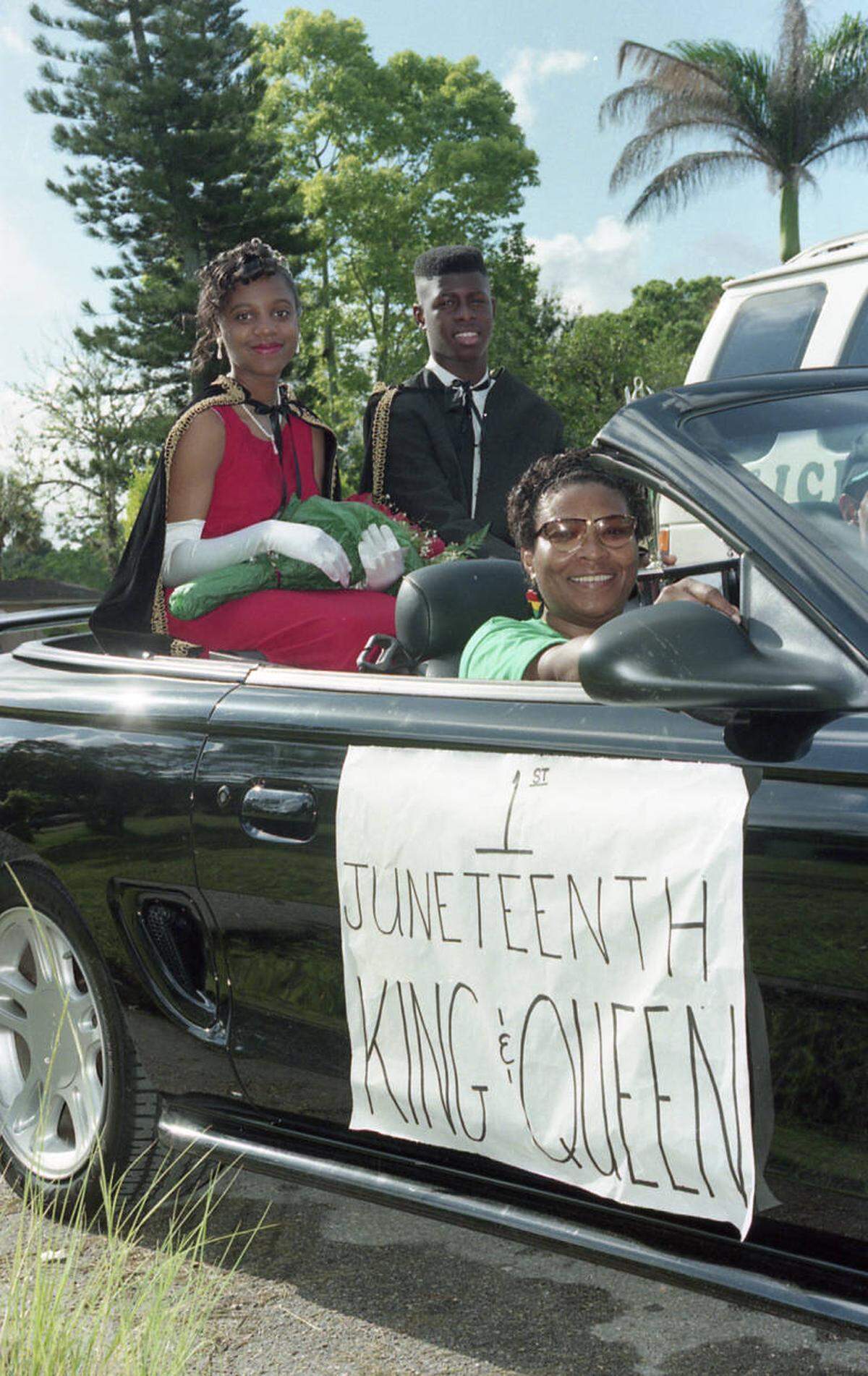
Fobbs said she was surprised by the turnout of people at the first festival.
“The parade drove through the Black neighborhoods in Bradenton and people were standing out on the street,” she said. “ We went down 9th Street and came all the way back to PAL.”
An early road to freedom for enslaved people was paved in Bradenton
In recognizing the emancipation of slavery, it is important to acknowledge the struggles of one group of Bradenton’s ancestors.
Uzi Baram, an archaeologist and New College professor, has been researching the Angola community for 18 years.
The Angola community was just a legend that circulated around residents of Manatee County. But after historian Canter Brown Jr. published a short article about the forgotten settlement in the 1990s, other historians and archaeologists joined the effort to find out more.
Brown said they found evidence of about 700 freedom-seeking African slaves who settled around the Manatee River from 1770 to 1820. The National Underground Railroad Network to Freedom, a U.S. National Park Service program, pinpointed the site as a stop on the underground railroad.
The inhabitants of Angola thrived by trading with Cuban fishermen and receiving military support from British officers.
“The interesting thing about Spanish territory in Florida is that it was a really important center for Black freedom,” Brown said.
Although Angola was not unique in that it served as a safe place for former slaves, it was significantly large.
In 1821, Angola was destroyed by U.S. troops under the direction of President Andrew Jackson. While a group of 100 inhabitants were captured and taken up to Georgia, others escaped to the Everglades and the British Bahamas. Some went East and became known as the Black Seminoles; others settled on the Montreaux Sirens and found freedom.
“Juneteenth commemorates events in Texas, but also is a way for us to focus on freedom across the United States,” Baram said. “We have just a fantastic example of the courage of people fighting for their freedom.”