‘Stop kicking the can.’ Manatee County’s planning hasn’t helped growing pains, leaders say
In the last three years, more than 25,000 new residents have moved to the Bradenton area, and Manatee County has opened the door for developers to possibly build thousands of homes east of the once sacrosanct urban future development line.
Meanwhile, the median price of existing single-family homes has soared to nearly $500,000.
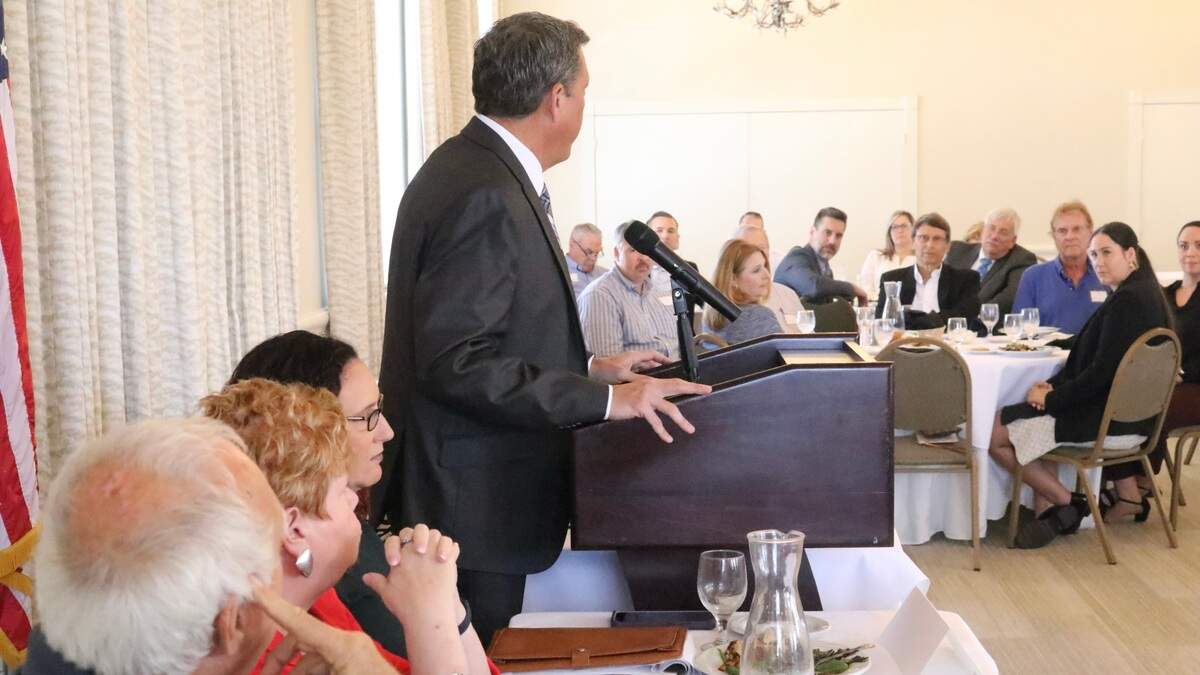
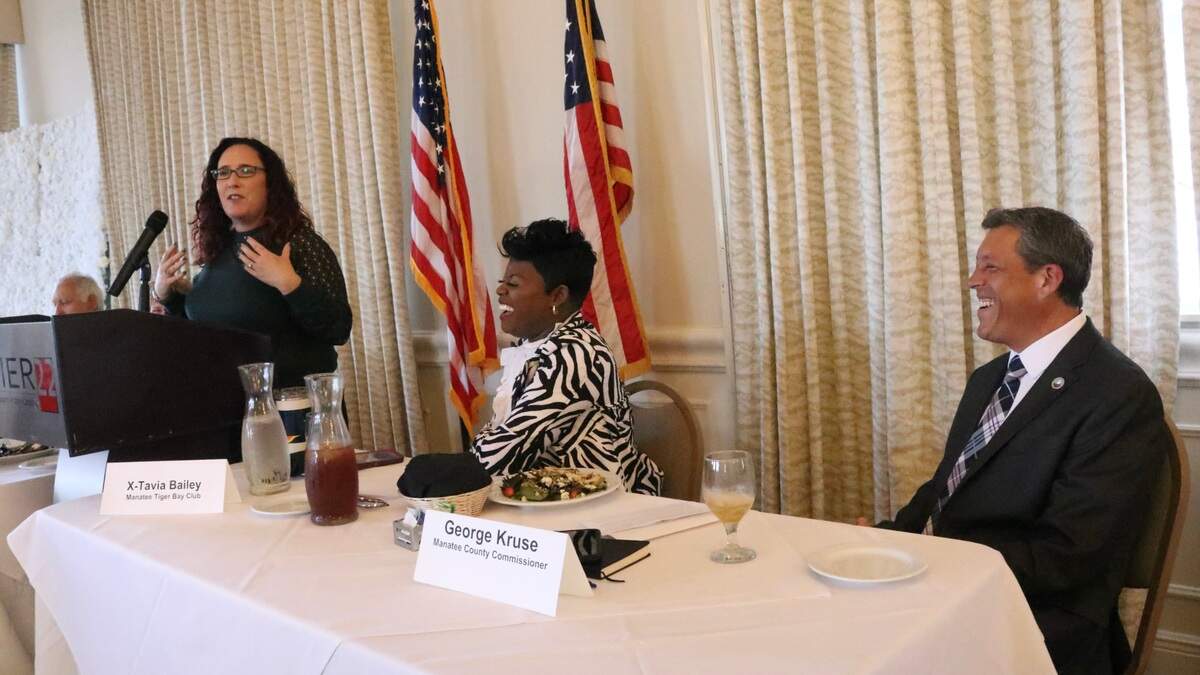
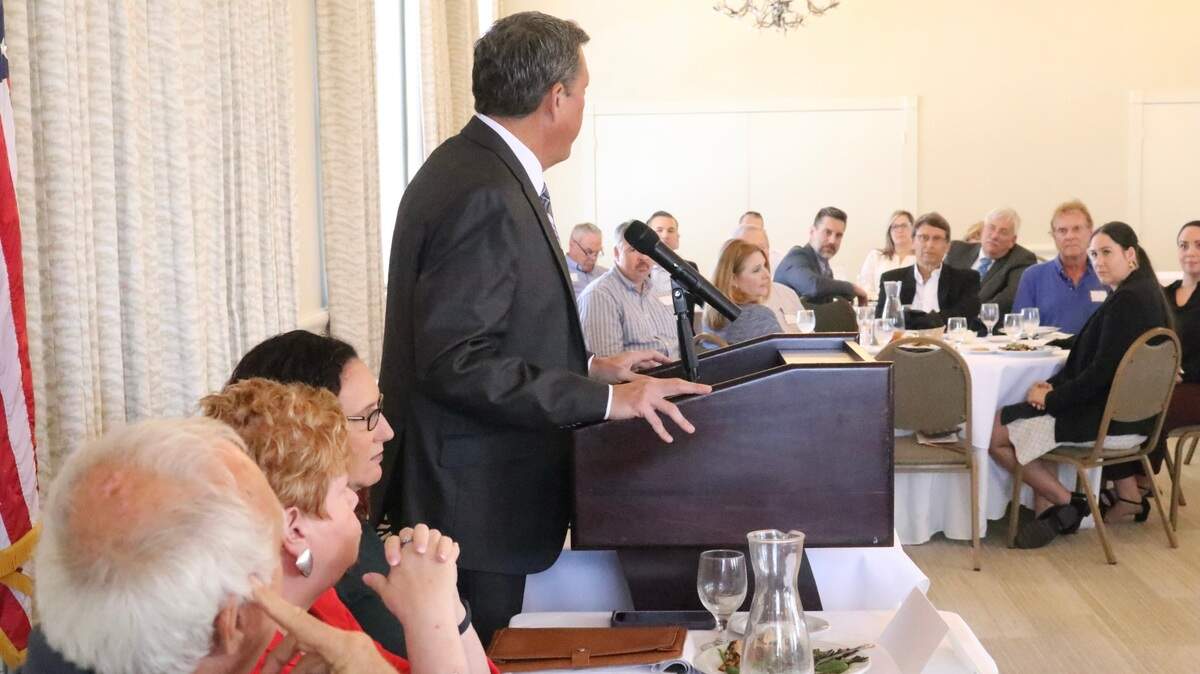
With all that and more, Thursday seemed like a good time for the Manatee Tiger Bay Club to host a debate on whether Manatee County is growing strategically.
The consensus seemed to be probably not.
Taking part in the debate at Pier 22 in Bradenton were County Commissioner George Kruse, Carol Clarke of Medallion Homes, Glen Gibellina of the Manatee County Affordable Housing Advisory Committee, and Meredith Barcomb of POWER in Myakka City. POWER is an acronym for Preserving Our Wildlife, Environment and Resources, and was created in an effort to strengthen the urban development line.
Without change in the way that growth is managed, rural Myakka City could become the suburbs and a way of life could be lost, Barcomb said, taking specific aim at the way the county commission has softened the urban development boundary.
“If you live in Bradenton or on the island, you already know how difficult it is to get through gridlock traffic. Why would you want the same for us?” Barcomb said.
Kruse argued that the county should do more to encourage redevelopment in the aging urban core, putting fewer cars on area roads, while adding more affordable housing units.
“Redevelopment is how Manatee County needs to grow in the future if we want to be successful,” Kruse said.
But redevelopment is harder than development, in spite of the obvious advantages, he said.
Barcomb said redeveloping downtown areas could help take the pressure off East Manatee.
“We can make downtown amazing. We need to create a cultural hub that includes businesses and affordable housing,” she said.
Kruse went even deeper with his ideas on developing the community in a way that is sustainable and doesn’t erode the quality of life. He suggested that the creation of higher wage jobs would help provide a step up for many, rather than having the economy so dependent on tourism-related jobs.
“I will say 100% no, Manatee County is not growing strategically,” Kruse said.
Gibellina, a longtime advocate for affordable housing, suggested that the county could take action to facilitate the introduction of more tiny houses. The county should also raise impact fees with a portion to be dedicated to providing affordable housing.
With the rise in housing prices, and the large number of buyers paying in cash, increasing impact fees would have no affect at all on developers or the new residents, he said.
Many of the new residents are spending more on remodeling their bathrooms than what increased impact fees would cost, Gibellina said.
Carol Clarke, the former planning director for Manatee County, said community groups and individuals need to come together to figure out what smart growth looks like.
Clarke said she is pro-growth, and that dealing with growth is better than dealing with decline.
There needs to be long-range planning, and there needs to be an agreement on facts, she said.
“There needs to be a hard look at what we can change. Planning is complicated and messy,” she said.
Gibellina said Manatee County is short 50,000 units of affordable housing.
“If we started today, we would still be behind 20 years in providing affordable housing,” he said.
Without homes for teachers, nurses, law enforcement officers and others, the community has a big problem, he said.
He suggestedthe school district request or set aside land for affordable housing when it builds new schools, and proposed that a tax for workforce housing could be something every property owner could pay.
“Housing is a human right,” Gibellina said. “We need to stop kicking the can down the road.”