The oldest dolphin in the world disappeared from Sarasota Bay. What happened to her?
Boaters, kayakers and onlookers have long spotted the dolphins of Sarasota Bay. Researchers, too.
But among all the recorded dolphins living in the bay, only one is known to have reached the age of 67.
Nicklo was the oldest documented bottlenose dolphin in the world, Dr. Randy Wells said.
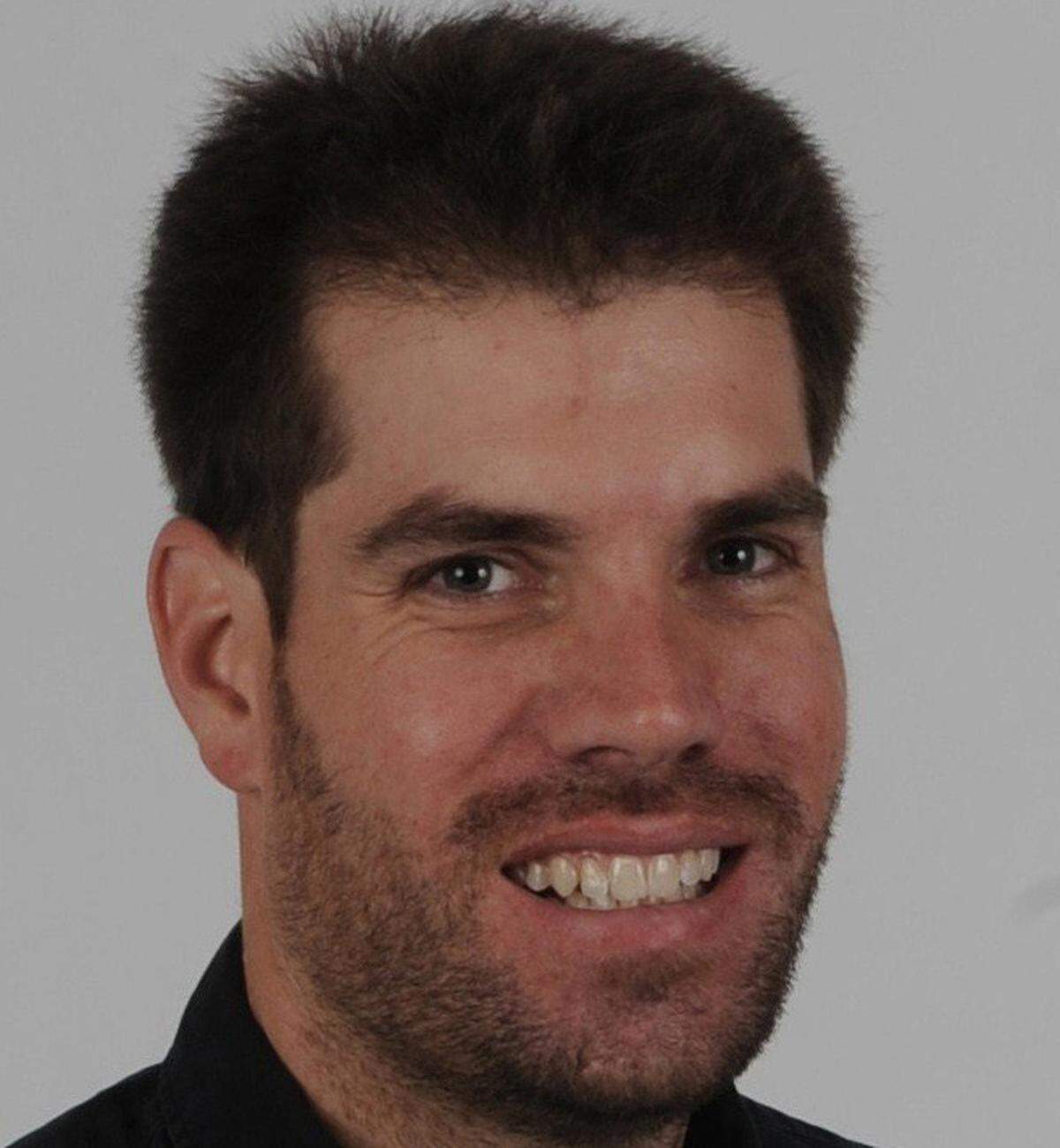
“A 67-year-old dolphin is probably the equivalent of a 100-year-old human,” said Wells, who has been documenting dolphins in the bay since the early 1970s. “Very few make it to that age.”
But Nicklo hasn’t been seen since 2017, that anyone knows of. So, where did she go?
Since dolphins tend to stay in one area, Nicklo is presumed dead — due to her how long her disappearance has lasted.
Wells said Nicklo was a legend but not really known to the general public, just popular among the researchers due to them following her for so many years.
“For us not to see her over a period of months that turned into years was unheard of,” Wells said.
What’s in a name?
Dolphins have been in the Sarasota Bay well before anyone decided to start documenting their presence. Wells was part of the pilot program that began researching the bottlenose dolphins in the bay more than 50 years ago.
Today, there are about 170 known dolphins in the Sarasota Bay community, with a range from the “southern edge of Tampa Bay, from Terra Ceia Bay and the Manatee River down to Venice, and offshore to within a half mile to a mile,” Wells said.
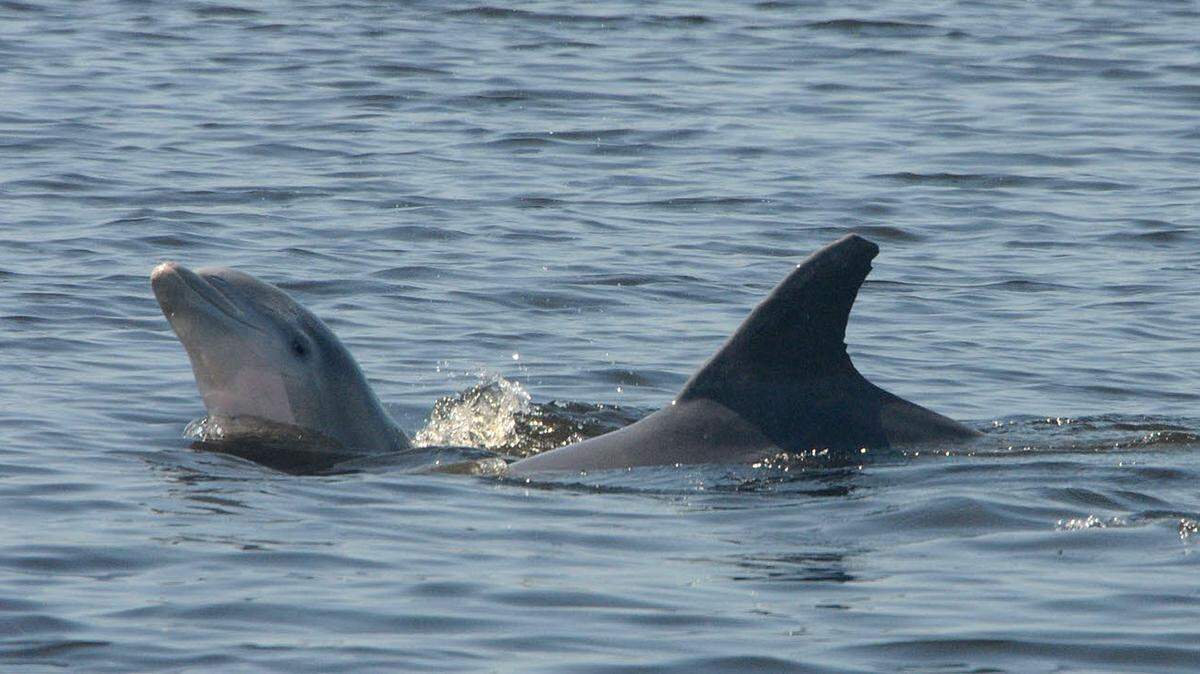
To tell them apart, researchers use an identification process similar to how Orca whales are distinguished from each other: dorsal fin markings.
That’s the primary way Wells, and the rest of the team with the Chicago Zoological Society’s Sarasota Dolphin Research Program — formerly Mote Marine — uses to ID the different mammals.
“We use some nicks and notches on the trailing edge of the dorsal fin primarily to tell them apart,” Wells said. “They accumulate these over the course of their life. They work kind of like fingerprints. So they’re a very accurate means of telling individuals apart when you have a high-quality photograph.”
For Nicklo, she had a nick on the lower part of her dorsal fin. Hence the name.
“Early on in the work, we try to give the animals names that were descriptive of the features that allowed us to distinguish them from others,” Wells said.
Other identification methods include epigenetics, where an analysis of a small skin sample can get within 2 1/2 years of the dolphin’s age, Wells said. There are also X-ray techniques and just following them from birth, when they’d appear next to their mother, through the decades as the program has been viewing them since the early 1970s.
“Having these other techniques available and especially just keeping track of them over time, which is our favorite, can give us an indication of how old they are,” Wells said.
Dangers in the water
Documenting dolphins for more than 50 years, Wells has seen the adversity that each dolphin has had to face. Sharks, especially bull sharks, he said, pose a threat as well as chemical contaminants such as DDT and PCB, which binds into the food dolphins eat that then goes into fat-rich tissues such as blubber.
The male species doesn’t have the mechanism of filtering out chemical contaminants as females do.
“So the males continue to accumulate contaminants to the level where it can affect their immune system function and other aspects of their health,” Wells said. “And it probably decreases their maximum lifespan.”
Recreational fishing gear and boating are also obstacles that can be a killer for dolphins.
According to the National Oceanic and Atmospheric Administration, bottlenose dolphins live an average of 40 years in the wild, though females can live into their 60s.
And then there’s Nicklo, who disappeared more than four years ago, but had reached an age that no other bottlenose dolphin achieved.
“She is the oldest one, older than any other dolphin of which we are aware,” Wells said. “And every time we saw her was a new record for how long a bottlenose dolphin has been documented to live.”
It’s a mystery as to what exactly happened to Nicklo, but what isn’t is Wells’ passion for dolphins.
Midwest to the Suncoast
Wells grew up in Illinois and visited Florida every Easter break from school.
“I was fascinated by the sea,” Wells said. “But there weren’t a lot of opportunities to pursue that in Illinois. But halfway through high school, my family moved to Siesta Key.”
Dolphins weren’t his main focus at the time. Sharks were.
Wells said he did anything he could to get a job at Mote Marine, the premier shark research laboratory located in Sarasota. And then, kismet happened.
Blair Irvine arrived to the area for a pilot program at Mote Marine, where he was hired to study the behavioral interactions between sharks and dolphins.
It just so happened Irvine wandered into Wells’ father’s real estate company looking for a house. Wells had his way in, and Irvine tasked him with being a volunteer research assistant.
“That was when I first got interested in dolphins,” Wells said. “And the more we learned about them, the more we learned that they were residents in the area and not just ranging up and down the coast. The more we realized you could tell individuals apart and learn about their lives as individuals, it just became more and more fascinating. And Sarasota Bay turned into a great natural laboratory for being able to learn about them.”
Mote ran the program from its inception more than 50 years ago until 1989 when the Chicago Zoological Society took over the operations, Wells said.
“We’re obviously out there rooting for the oldest animals,” Wells said. “We want somebody else to set a record beyond that. We would just love for them to stick around for as long as possible.”