Name of Manatee deputy who killed suspect remains secret. Sheriff cites crime victims law
Citing a new Florida law intended to protect the privacy of crime victims, the Manatee County Sheriff’s Office is refusing to identify a deputy who fatally shot a man last week.
It’s not the first time a Florida law enforcement agency has used Marsy’s Law — approved by Florida voters in 2018 — as a shield against transparency.. A similar case currently is under appeal in Tallahassee.
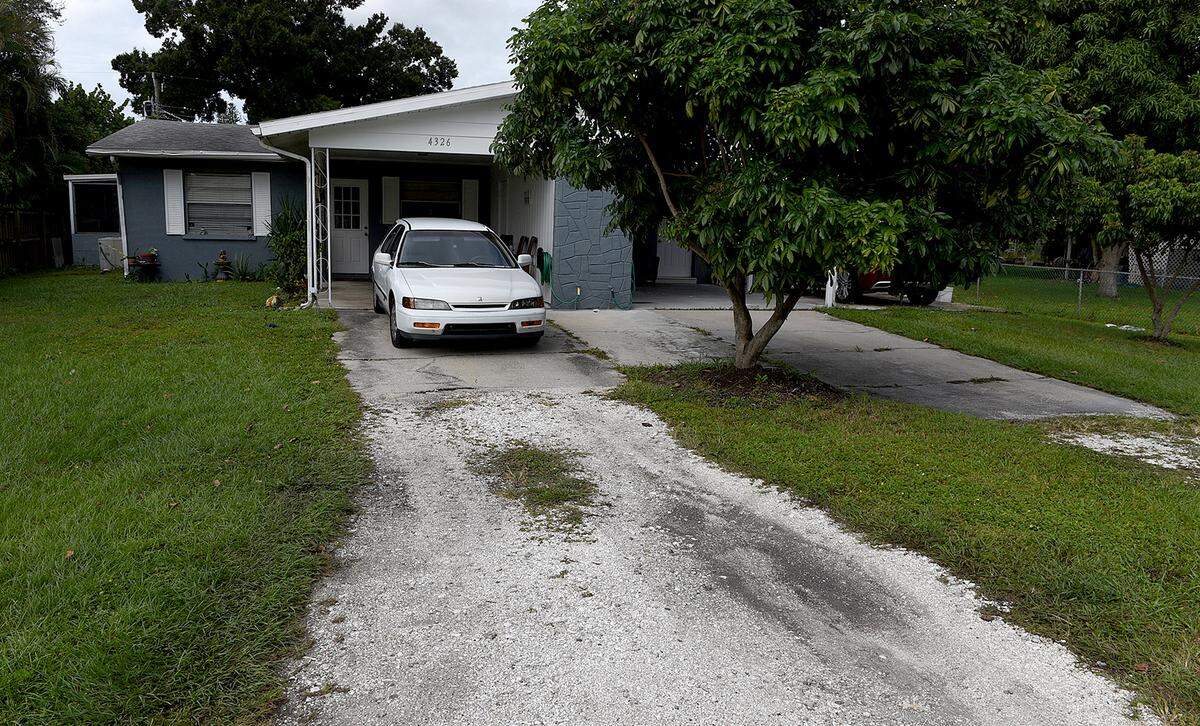
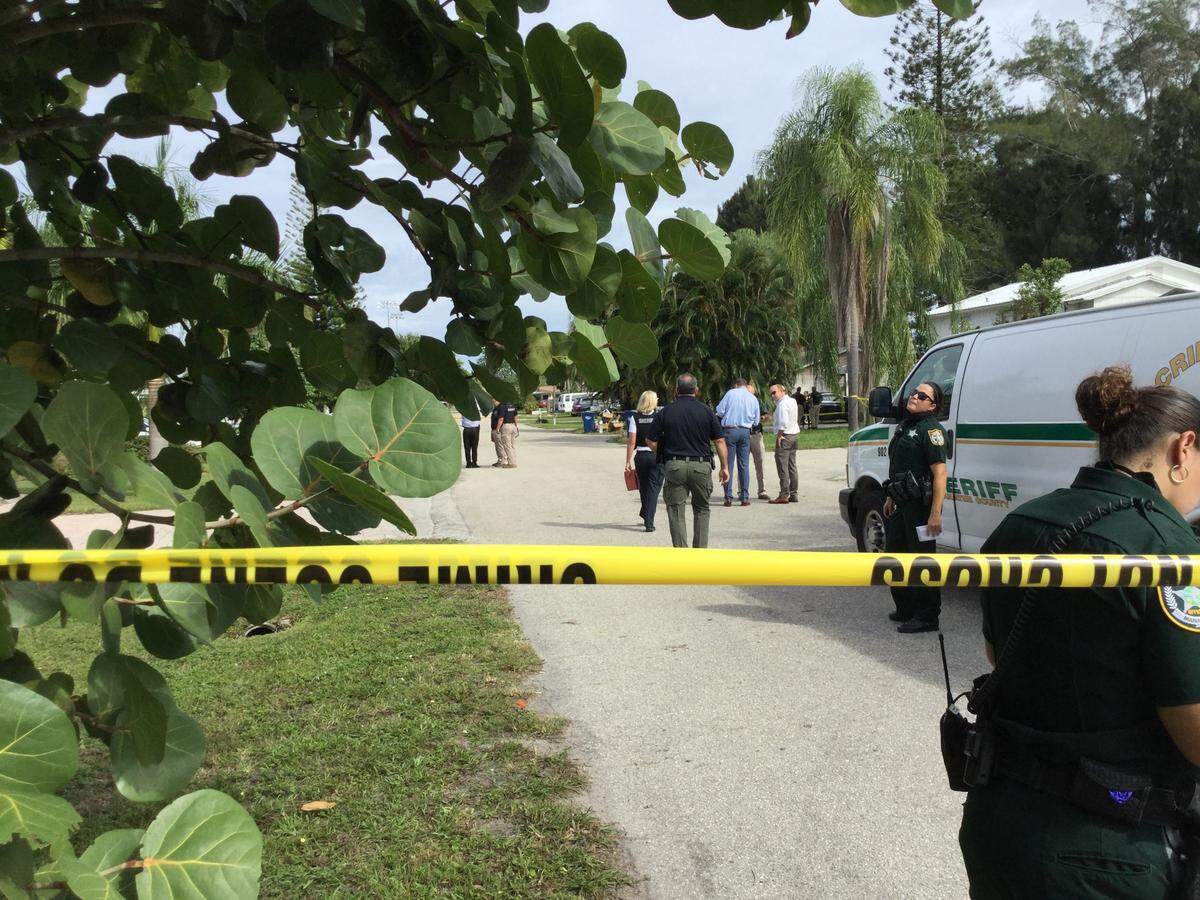
The deputy responded to a home in the 4300 block of 80th Street West in Bradenton on the morning of Oct. 21, after a woman reported her brother was stabbing her boyfriend. The alleged attacker, Steven Belville, halted the stabbing when the deputy arrived.
Belville then pointed a gun at the deputy, the sheriff’s office said in an official release. The deputy fired several shots at Belville, who died at a local hospital.
No other deputies were present when the shooting occurred, and the sheriff’s office has reported there is no body camera or dashboard camera footage of the shooting.
Sheriff Rick Wells’ decision to withhold the deputy’s name comes at a critical time in the relationship between police and the American public — and the friction between law enforcement and transparency has never been more pronounced. Police reform has been on the agenda during the 2020 presidential campaign, as well as many races down-ballot.
“We just believe there are certain rights that everyone should have regardless of their profession,” Wells said.
Interpreting Marsy’s Law to cover officers who kill someone in the line of duty could allow their name to be shielded indefinitely.
As support for its position, the Sheriff’s Office is citing a case involving the Tallahassee Police Department. The Police Benevolent Association, the union that represents the department’s rank and file, is trying to block release of the names of two officers linked to the May 27 shooting death of Tony McDade, a suspect in a stabbing.
In a July 24 court order, Leon County Circuit Judge Charles Dodson denied the PBA’s request, ruling “that the explicit language of Marsy’s Law was not intended to apply to law enforcement officers when acting in their official capacity”
The Florida Police Benevolent Association is now appealing the decision in the First District Court of Appeal in Tallahassee. In the interim, the judge granted a stay to prevent the name of those two officers from being released until the upper court issues a ruling.
The Manatee Sheriff’s Office is awaiting the decision from the appellate court and will release the name of the deputy if the court upholds the circuit judge’s ruling, Wells said.
“The Marsy’s Law wording is very vague,” Wells said. “That’s one judge’s position.”
Lack of accountability
Pamela Marsh, who is president of the Tallahassee-based First Amendment Foundation, rejects the idea that officers should be able to shield their identities.
“At a time that we are in right now, what we need more than anything is trust, and we are not going to get to trust if we don’t have transparency,” Marsh said. “Without transparency, there is no trust. We’ve had such a long history of distrust among communities of color and law enforcement -- and with good reason.”
With the power to take away life and liberty, law enforcement officers are not regular citizens, Marsh said, and already are afforded protections under Chapter 119, Florida’s public records law. The Law Enforcement Officers’ Bill of Rights provides additional safeguards. Officers are also granted civil immunity.
“They have lots of power and privileges that we don’t have,” Marsh said. “Then all of a sudden something goes wrong, and they want to hide. They are paid by the taxpayers.”
Wells insists that his office is still being transparent.
“The investigation is still available to the public once it’s done. The community can look at that once it’s completed,” he said. “We just believe there are certain rights that everyone should have regardless of their profession.”
Not only is the sheriff’s office refusing to name the deputy who killed Belville, but it also is refusing to release any incident reports or a copy of the 911 call in the case. Sheriff’s Office spokesman Randy Warren called the case a “very active criminal investigation.”
The secrecy surrounding the Oct. 21 shooting prevents outside oversight of Wells’ department. For instance, without the deputy’s name, it is impossible to examine the deputy’s personnel records, including any use of force history. The deputy is currently on standard paid administrative pending an internal affairs investigation.
In the Tallahassee case, the judge explicitly cited the importance of accountability: “Individual officer’s names are vital for the public’s ability to evaluate not only the officer’s history of the use of force, but also the agency’s treatment and discipline of it’s officers. Knowing the name of a police officer enables the public to conduct that meaningful review.”
“The officers do not seek protection from the would-be accused, instead they apparently seek protection from possible retribution for their on-duty actions from unknown persons in the community,” Dodson said. “This type of protection is outside the scope of Marsy’s Law and is inconsistent with the express purpose and language of the amendment. This court cannot interpret Marsy’s Law to shield police officers from scrutiny of their official actions.”
Marsy’s Law demands that victims be notified of all criminal proceedings in a case, and protects them from intimidation or harassment, Marsh said. The law was created to encourage civic participation, not to discourage outside oversight, Marsh said.
“I don’t think it has anything to do with the actual suspect. I think it has to do with privacy during what is a very emotional experience,” Wells said. “I don’t know who is right or wrong.”
Florida sheriff disagrees with Marsy’s Law claim
During the First Amendment Foundation’s most recent episode of its podcast Open Government in Florida, Marsh spoke with Volusia Sheriff Michael Chitwood about the case in Tallahassee.
“Marsy’s Law was never intended to cover police officers in the course of their duty or shield them in any way possible. It was meant to protect victims. That’s what the intent was,” Chitwood said. “I think the judge’s message, although it has been appealed, is sending a message loud and clear to law enforcement that why are you perverting the purpose and intent of this good law to protect the victims.”
Marsh asked what his message was for “officers who want to be shielded under Marsy’s Law because they fear retribution from the public.”
His answer: “You’re in the wrong line of work.”
Threats are a known part of the job, according to Chitwood, a 33-year veteran law enforcement officer, whose career includes being chief of the Daytona Beach Police Department and 18 years with the Philadelphia Police Department.
“We are paid by our taxpayers, we are paid to represent our community. We drive around in a big car that says police or sheriff on it. We wear these uniforms and now you want to hide your identity?,” Chitwood said. “Well, the only way you want to hide your identity is if you are doing something that you shouldn’t be doing.
“If you are out there doing the right thing day in and day out, you’re fine.”
This story was originally published October 28, 2020 at 5:00 AM.