
High bacteria levels found in bay after Longboat sewage spill. DNA testing could reveal link
Environmental consultants for the town of Longboat Key say there is no proof that a 26-million-gallon sewage spill near Sarasota Bay is responsible for elevated levels in the bay of bacteria often associated with feces.
The consultants with Environmental Science Associates, which has an office in Tampa, say dying vegetation may be responsible for the higher levels of Enterococci, a bacteria often associated with human or wildlife feces. Ongoing DNA testing could determine the source.
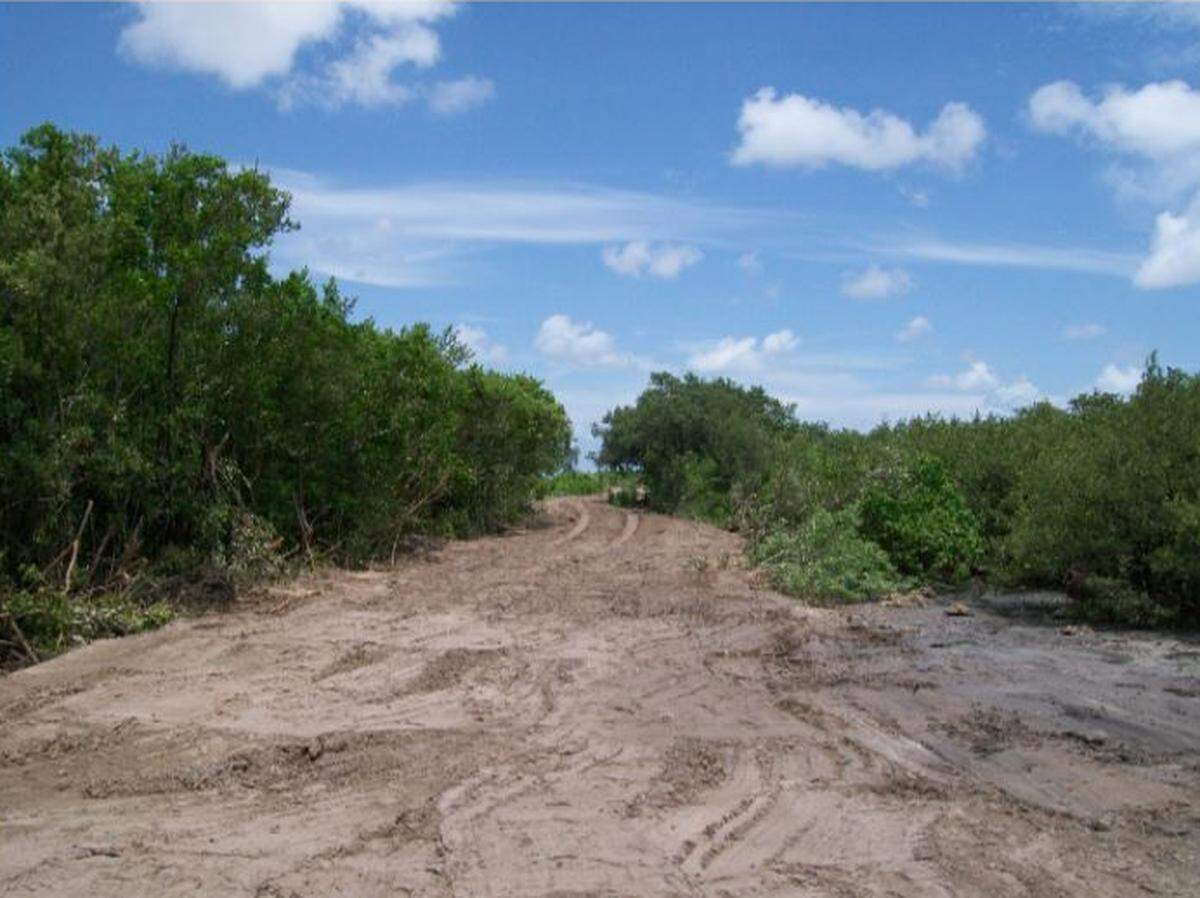
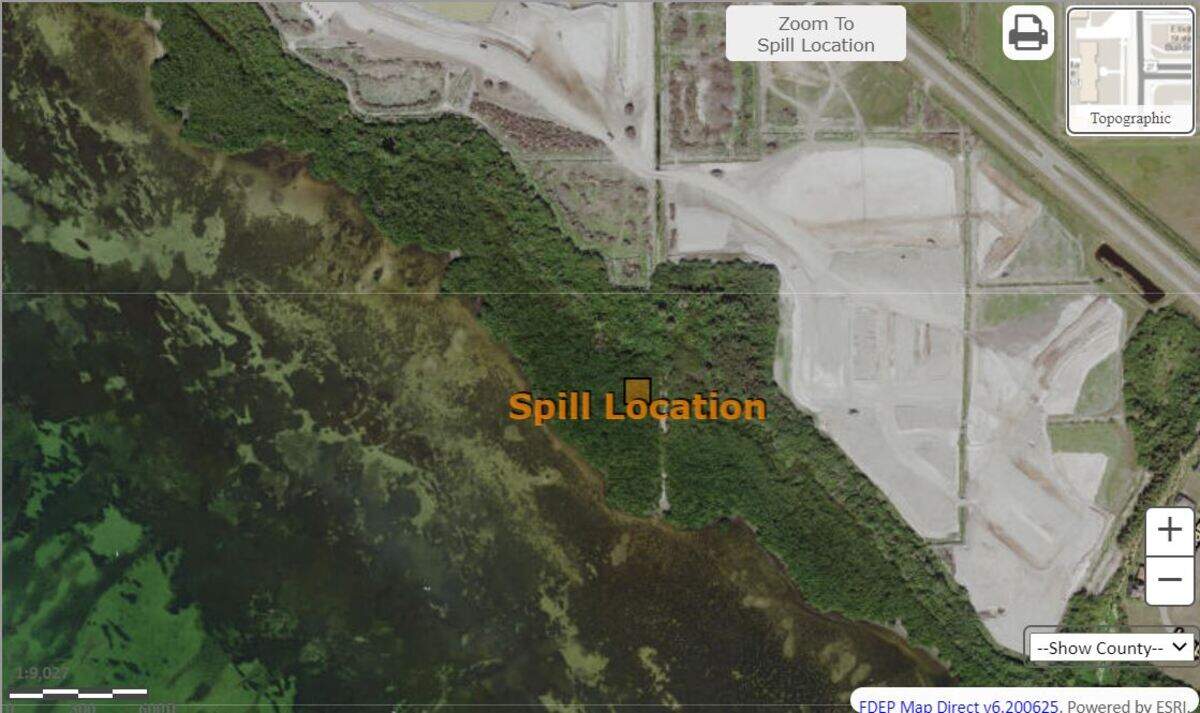
It took Longboat Key staff about 12 days to determine that their only sewage mainline, which runs underneath the bay to a treatment facility in Bradenton, was spilling sewage in a thicket of mangroves on Longbar Point, about 350 feet offshore of Sarasota Bay.
The sewer line break was discovered on June 30, but officials determined that it likely broke on June 17. It has been repaired, but a cause for the break has yet to be released to the public.
No cleanup efforts were conducted by town officials who said Mother Nature would ultimately resolve the situation.
The town pledged transparency and initially posted the first round of water quality testing on its website, but has since backtracked and is requiring public records requests to obtain future testing results. They will make a final report available when completed, according to the town’s website.
What is known so far is that Manatee County utilities had been notifying the town for several days that they may have a problem, but town staff initially thought a low-flow rate back to a county wastewater treatment facility was due to maintenance work. When flow problems persisted after maintenance work, town staff began searching for a potential break.
Water quality testing began on July 3 and consisted of five days of testing through July 13. Results showed that various areas contained high levels of Enterococci and fecal Coliform. Further testing began July 15, including the DNA testing, but those results have not yet been released.
Test results show the biggest spikes in the two bacteria were recorded between July 8 and July 10.
“The results ... do not show evidence of a spike in bacteria along the shoreline next to the spill that would perhaps only ‘improve’ with distance offshore and time after the leak was stopped,” the consultant’s report to the town dated July 16 states.
The consultants said the dense mangrove system acted as a natural filter, and that tidal surges have dissipated the majority of the spill.
One hot spot is the shoreline along Bayshore Gardens. Testing there on July 1 showed the level of Enterococci to be six times the safe level. It did not reach safe levels until July 6.
However, bacterial levels began a slow increase through July 13 back to the maximum allowed levels. Further test results are pending, including DNA testing that will determine if the hot spot is related to the spill.
Levels of fecal coliform near Bayshore Gardens have spiked and ebbed, but have remained above what is considered to be safe levels.
Levels briefly hit the safe standard on July 8, but have since spiked to six times higher than the standard as of July 13.
According to the Florida Fish and Wildlife Conservation Commission, a harmful algae bloom was detected along the shoreline at Bayshore Gardens on July 7.
Still, the town’s environmental consultants report, “While abundances of these two types of bacteria can be indicative of health concerns due to sewage contamination, neither of these two indicators are specific to humans as a source, nor are they specific to mammals, or even animals as a source.”
The report goes on to say, “Therefore, while levels of fecal coliform bacteria and Enterococci bacteria are used as indicators of potential threat to human health in Florida waters, they are not by themselves evidence of human fecal matter as a source.”
The report also notes that nearby mats of dying vegetation is not proof of the high levels of bacteria.
The Florida Department of Environmental Protection is investigating. According to DEP spokeswoman Shannon Herbon, the town is cooperating for the most part, but has failed to deliver some key data to the state.
DEP visited the spill site on July 1, noting a large swath of mangroves that had to be removed to reach the spill site.
“Multiple ecological impacts have occurred,” DEP personnel wrote in a follow-up report.
Herbon said DEP staff met with town officials again on July 9. The town has delivered to the state multiple data on flow, emergency procedures for having an underwater sewage line and other information, “Which is still being reviewed by environmental specialists as part of the ongoing investigation.”
Herbon said DEP is still waiting for other requested information that includes an updated sewer overflow response plan, a management plan and an operation and maintenance program plan.