
Sea turtle nesting season is back. Here’s how you can help them stay on track to shore
It’s that time of year again, when Anna Maria Island Turtle Watch volunteers in bright yellow shirts will dot the beach during their early-morning walks looking for signs of sea turtle nesting.
Nesting season begins May 1 for sea turtles, so it’s time to dim the lights along the coast and allow nature to take its course.
A nest has already been found on Longboat Key, said Suzi Fox, executive director of AMI Turtle Watch.
If there’s too much light, the turtles coming to shore can become confused and wander off course, Robbin Trindell, head of the Florida Fish and Wildlife Conservation Commission sea turtle management program, said in a news release.
Most of the turtles that nest on Anna Maria Island are loggerheads. But Florida, according to FWC, also is an important nesting destination for leatherback and green sea turtles, especially on the Atlantic coast.
“Making an effort to keep our beaches dark at night is one of the most important things you can do to help sea turtles,” Trindell said.
Here are tips from FWC and AMI Turtle Watch on how to make your lights sea turtle-friendly:
- Turn off any unnecessary lights at night.
- If lights must stay on, use downward-directed long wavelength amber LED lamps and shield the lights so they can’t be seen from the beach.
- Don’t use a camera flash or bright lights on phones or flashlights on the beach at night.
- Clean up the beach when you leave. Make sure there are no holes or obstacles — beach furniture, canopies or toys — left in the sand that could block turtles on their journey.
- Do not touch the turtles — it is illegal to harm or disturb nesting turtles, their nest, eggs or hatchlings. If a turtle is sighted, stay back and give them space whether they are nesting or trying to get to the water.
- Do not mark nests with rocks or sticks.
- The do not touch rule goes for hatchlings, too. Handling by humans could confuse the turtles, making them more vulnerable.
‘
Looking for some turtle-safe lighting? The FWCD has a list of certified wildlife lighting so coastline property owners can find the options that work best for their needs. The list is available at MyFWC.com/Conservation by clicking on “How You Can Conserve,” “Wildlife Lighting” and then “Certified.”
Anna Maria Island Turtle Watch also has approved light bulbs available for $29 each.
Fox praised residents, saying many are already doing a better job of adjusting their lighting. She’s noticed the bulbs used during nesting season are staying in year-round at some locations.
The nesting season runs through Oct. 31.
In 2018’s nesting season, there were 91,451 loggerhead nests counted throughout the state, according to FWC.
On Anna Maria Island last year, the AMI Turtle Watch group found 534 nests (46 more than in 2017). Of those, 447 nests produced 35,788 hatchlings, about 80 turtles per nest, according to final Turtle Watch nesting data for the 2018 season.
The nests that did produce hatchlings took an average of 58 days for the baby turtles to emerge, but 87 nests did not produce hatchlings, the Turtle Watch data showed.
The group also documented 50 disorientations and 543 false crawls.
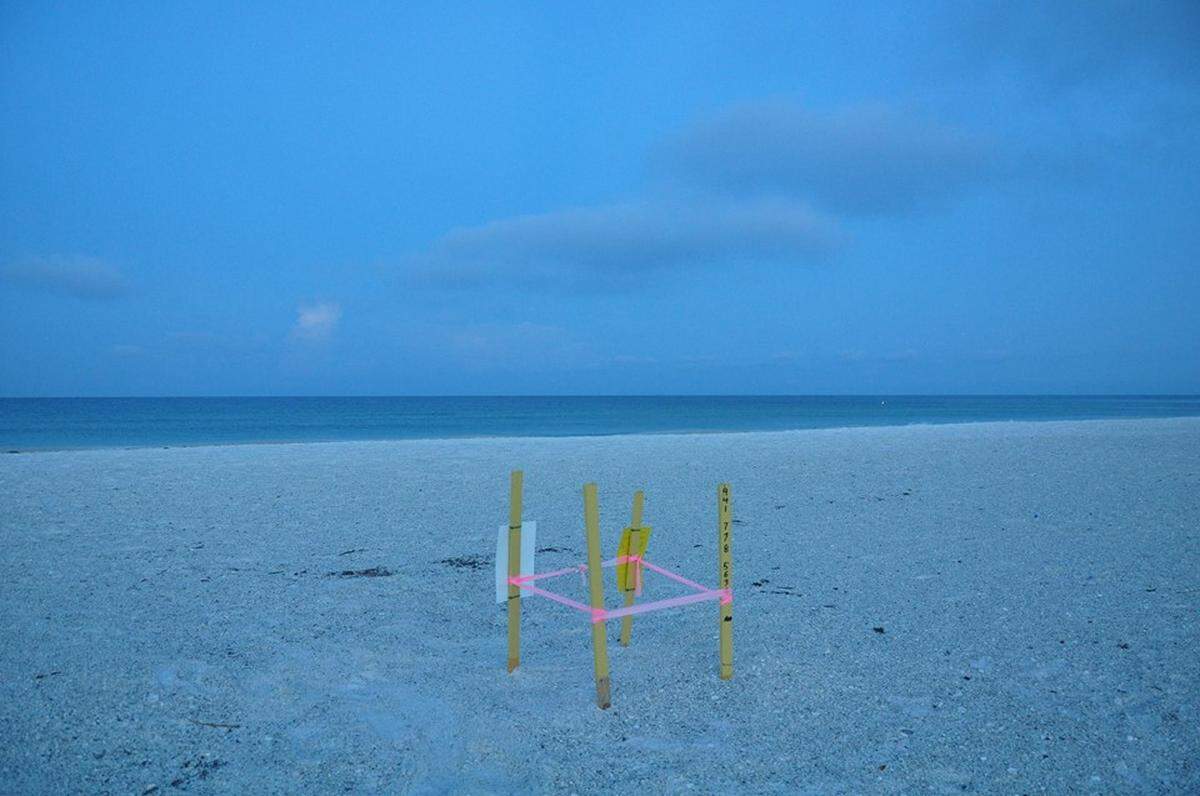
Fox believes there will be even more nests and hatchlings this year. She said she’s seen an upward trend in turtle numbers on Anna Maria Island for the last few years.
“I bet numbers go up, that’s what my instinct is telling me,” Fox said.
For Fox, the increasing numbers of turtles and nests show the waters off the island’s shores are relatively healthy and conditions on land are good for nesting. Education of residents and visitors alike has also played a role in the increase, she believes.
“If turtles are happy off our shore ... it means we’re doing a good job” Fox said.
However, the long-term impacts of the long red-tide bloom on the turtle population have yet to be seen.
“That’s the big question. We don’t know the answer to that yet,” Fox said.
She wonders most about the food source for turtles and how that’s been affected: “The jury’s still out on that one.”
The first green turtle nest was found in Martin County and the first loggerhead nest was found on in Palm Beach County, both documented on April 9, according to a FWC Fish and Wildlife Research Institute Facebook post.
Report a sick, injured, entangled or dead sea turtle to the FWC’s Wildlife Alert Hotline at 1-888-404-3922 or email at Tip@MyFWC.org.
This story was originally published April 29, 2019 at 9:10 AM.