
Marsh helps protect Myakka River. That’s vital for wildlife, including Florida panther
Lee Amos stood on the north side of the Myakka River bridge and cast his eyes over the quiet tranquility of Tatum Sawgrass Marsh.
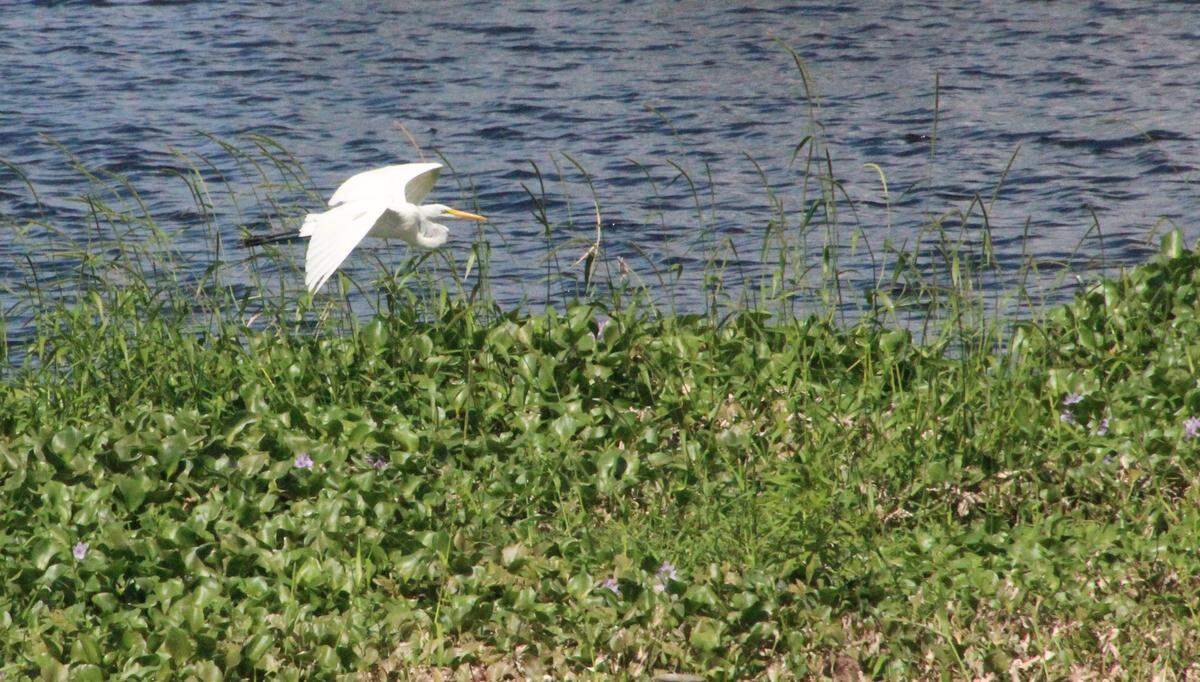
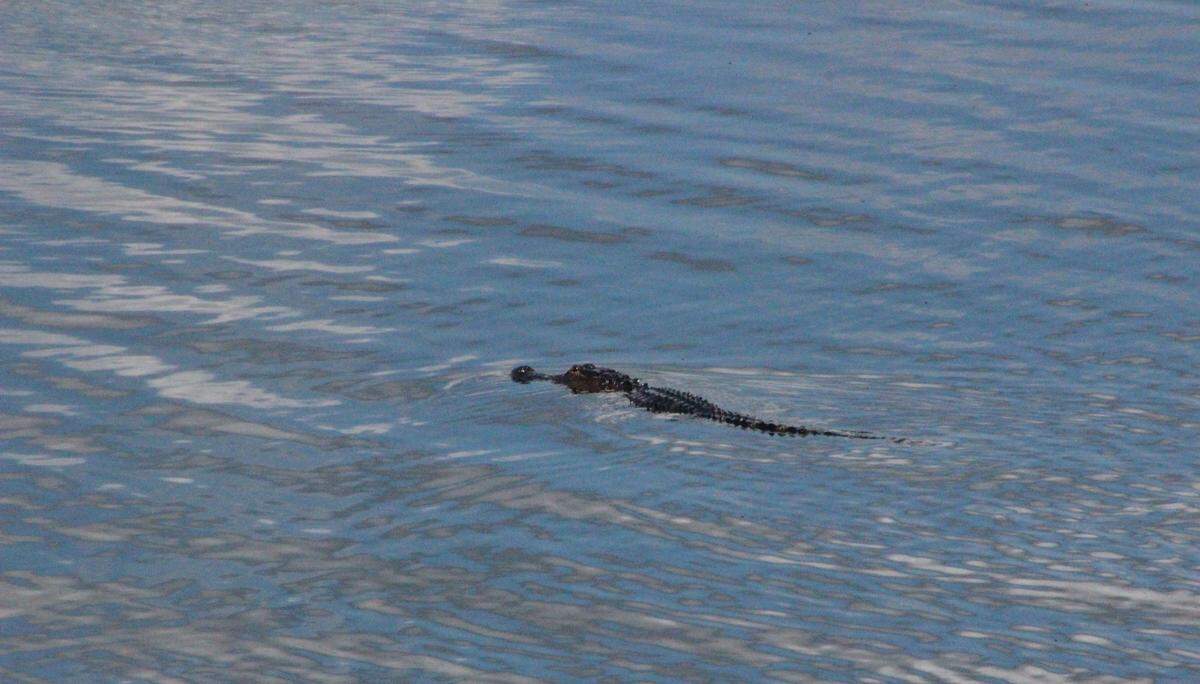
Beyond a blaze of yellow swamp sunflowers, and purple hyacinths, a solitary alligator idled toward a boil in the water, where a large fish broke the surface.
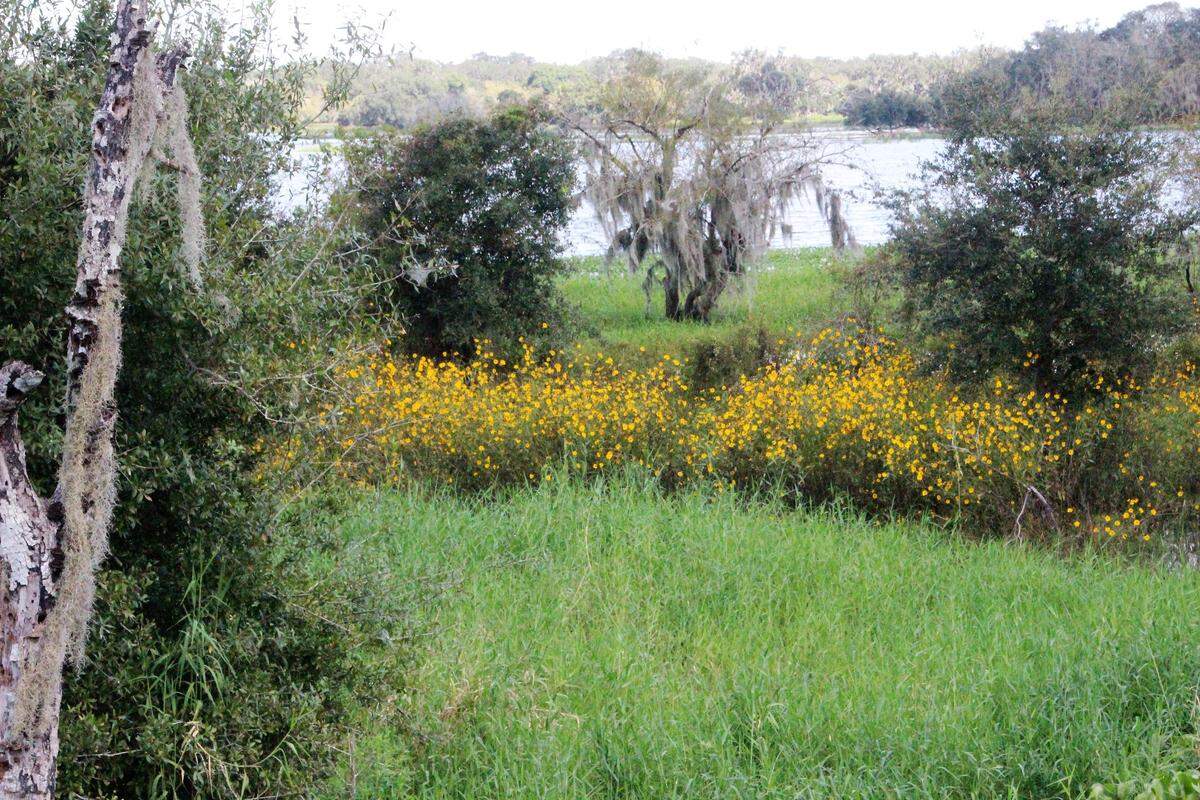
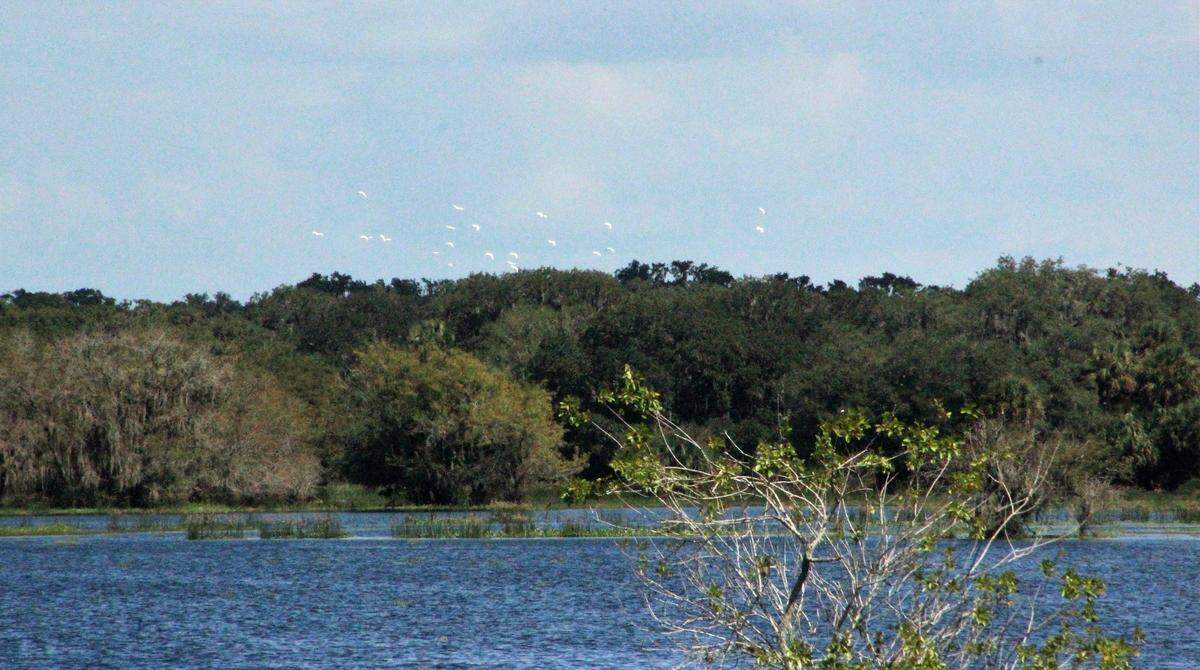
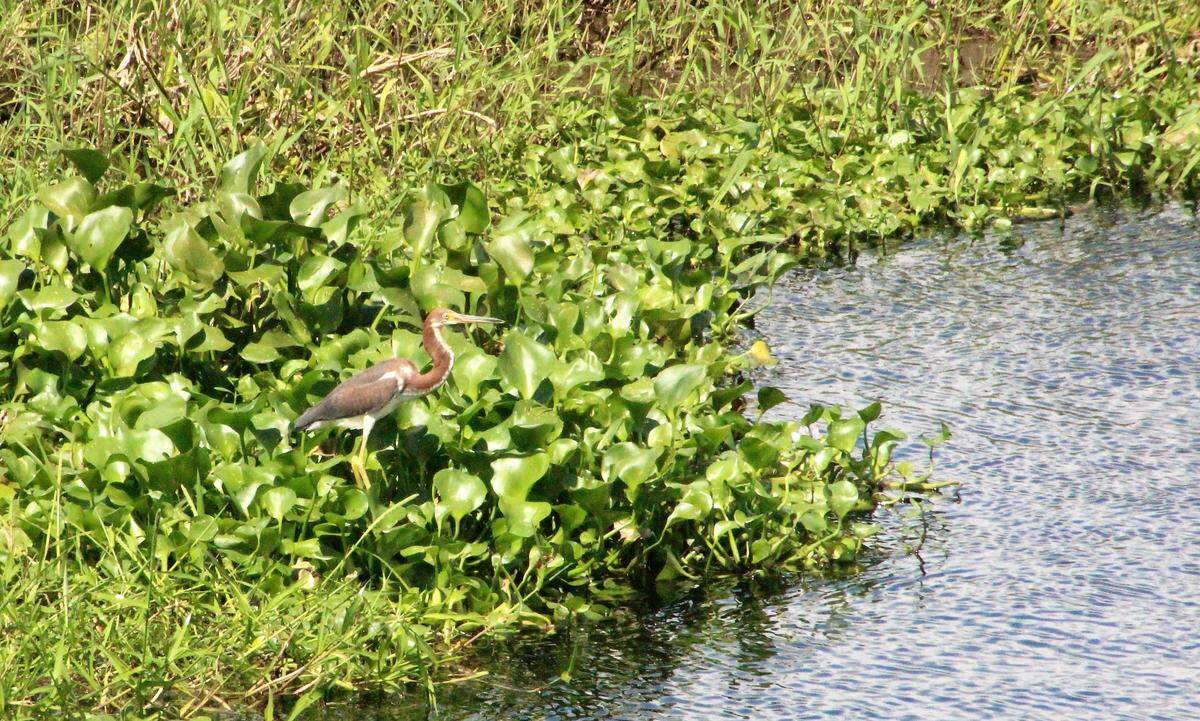
A great egret flew past, maybe two feet above the gator, while a tricolored heron poked about in the hyacinth, looking for a snack. On the horizon, a flock of white ibis approached.
“This is three times the size of Lake Myakka, and has been little protected,” Amos, a land steward and biologist for the Conservation Foundation of the Gulf Coast, said of Tatum Sawgrass Marsh.
The flood plain marsh is a companion to the Myakka River. It is a key in the effort to protect river lands from the Everglades to Duette Preserve and Flatford Swamp in Manatee County.
In 2017, Sarasota County completed replacement of the bridge on Myakka Road that had served rural traffic since 1954 at a cost of $6.9 million. Some complain that the bridge, which is curved and banked, blocks the view to the north, the view that Amos was taking in.
Protecting Tatum Sawgrass Marsh can help save the Florida panther and other imperiled species in southwest Florida.
Male panthers have been documented at Duette Preserve and Myakka River State Park. Female panthers have crossed north of the Caloosahatchee River, which flows between Fort Myers to Moore Haven on Lake Okeechobee, Amos said.
Expanding the range where female panthers are found can help the species survive and thrive.
“Although most panthers are found south of Lake Okeechobee, they have been documented throughout the peninsula and even into Georgia,” according to the Florida Fish and Wildlife Conservation Commission. “Female panthers have only been documented in south Florida so that is where all known breeding occurs. Panthers are listed as an endangered species under the Endangered Species Act. There are approximately 120-230 adult panthers in the population.”
Disney Conservation Fund recently awarded a $50,000 grant to the Conservation Foundation to support work to expand and connect protected lands, and restore the Tatum Sawgrass marsh.
The Disney fund has supported local efforts around the world aimed at saving wildlife, inspiring action and protecting the planet with more than $75 million distributed to nonprofit organizations since 1995.
Conservation Foundation of the Gulf Coast saves protects special natural lands, working with landowners, businesses, and government.
The foundation protects the character and natural integrity of bays, beaches, barrier islands and their watersheds on Florida’s Gulf Coast.
A nationally accredited land trust, the Foundation purchases natural areas, holds land conservation agreements and educates for responsible land and water stewardship in Manatee, Sarasota, Charlotte and Lee Counties. Learn more at www.conservationfoundation.com.