
Our History Matters: The origin of this De Soto National Memorial structure remains a mystery
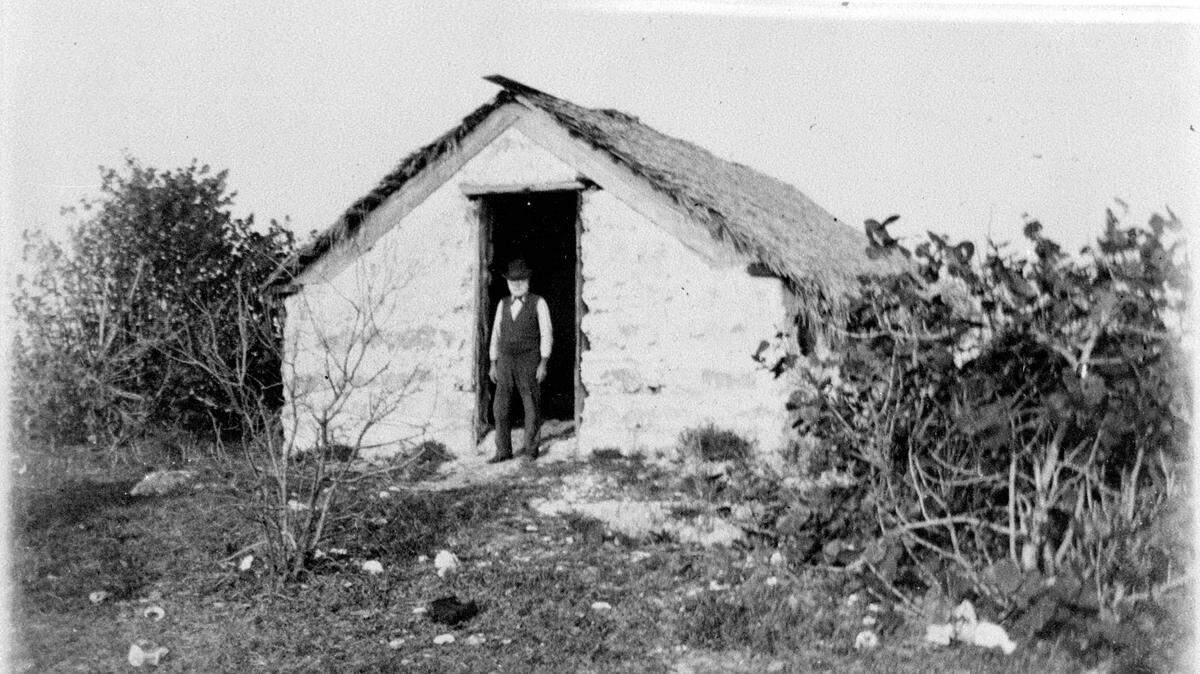
On the land of the De Soto National Memorial are the ruins of a tabby structure.
Although the origin of this building is a mystery, many of its former residents are not and, over the years, this structure has prompted some interesting theories about its past uses.
After the era of the Cuban fishing ranchos had come to a close in the mid 1800s and captain William Bunce had vacated his land and his fishing rancho along the Manatee River, a man from Virginia named William H. Shaw applied for a little more than 165 acres under the Armed Occupation Act.
This act, established in 1842, was an effort to settle Florida through the promise of free land. To claim land the settler was required to be over 18 years of age, establish a livable house within the first year, live on the land for five consecutive years and, during that time, clear and enclose five acres of land.
Through the Armed Occupation Act, Shaw was able to claim 165 acres recorded as “Bunce’s Rancho” at the mouth of the Manatee River. The Shaw family, however, only lived on the property for approximately 10 years before they fled to Key West during Third Seminole War, commonly referred to as Billy Bowlegs War, in the 1850s.
After the war ended, Shaw returned to the property to dismantle his possession for shipment back to Key West. Despite this, the land appears to have remained in his possession as, when he died, the property was divided among his six children and the location was renamed Shaw’s Point, as it is known today.
On this property stands a tabby structure, the ruins of which can still be seen today. Surprisingly, the origins of this structure are still debated, although several possibilities exist.
The first hypothesis was presented by Jack Leffingwell in an article in the 1940s. Although it is the newest reporting of the history, it presents the oldest option for the original purpose of the building.
It detailed a story that was once told by ward of John Fogarty named Manuel. This story claimed that the structure was being used as a Mission.
According to Manuel, it was built during the Spanish Colonial Era and was in disrepair by the time he came across it. The second option does not give a name of the builder but does imply that a tabby or concrete structure was on the property when the military burned Bunce’s rancho in the late 1830s.
According to a statement by Commander Dallas, who led the squadron during the time, the building survived the burning.
The final option is that the building was constructed by Shaw. According to reports involving the death of Henry Clark, an early settler of Manatee, Shaw and his family lived in a tabby structure.
When Clark fell ill on a trip to Tampa, they attempted to bring him to Shaw’s home. Sadly, he died before arriving.
Regardless of its origin, the structure served several purposes including a tavern, shelter for cattlemen, look out post during the Civil War, quarantine station, and as the pickup location for mail.
It has been the site of archaeological digs in more modern times and, although it has deteriorated significantly, its ruins are still there today.
Krystin Miner works for the Historical Records Library, which is open to the public from 8:30 a.m.-4:30 p.m. Monday through Friday. For more information, call (941) 741-4070.