
Denaturalization effort in Miami is ramping up under Trump, but still rare
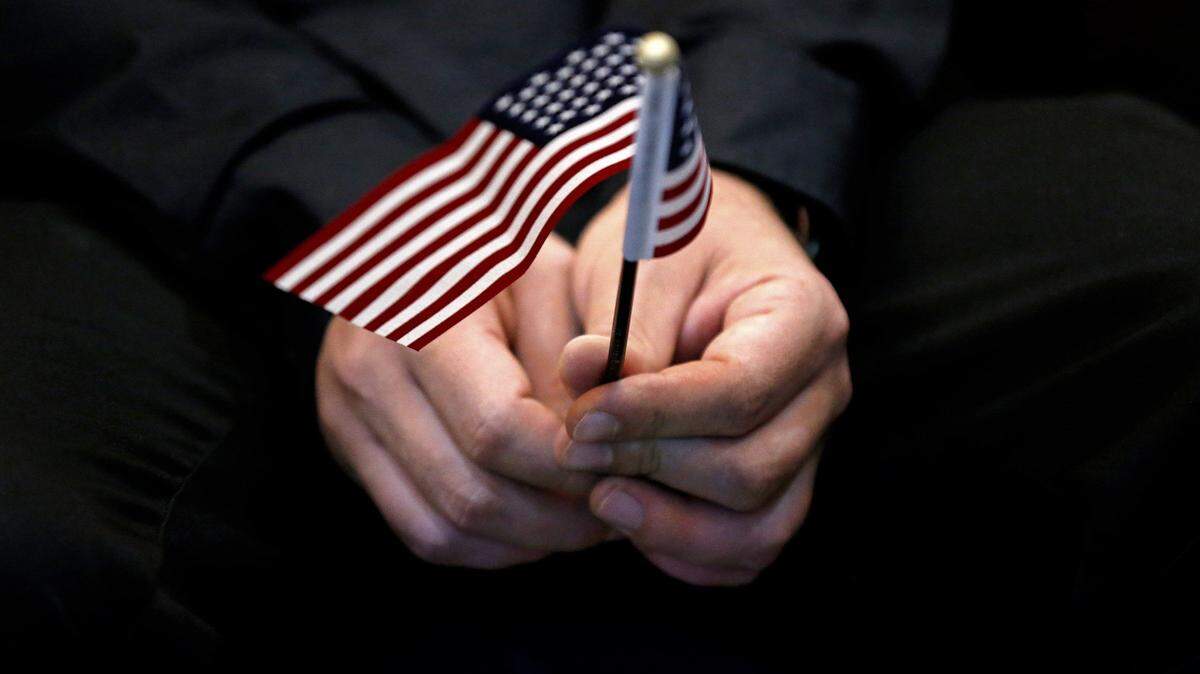
Federal prosecutors in Miami have pursued cases to strip U.S. citizenship from at least four people so far this year under a concerted effort from the Trump administration to dramatically increase the number of denaturalization cases, according to a Miami Herald review of public statements and court records.
As part of the Trump administration’s aggressive mass deportation campaign, federal officials have set their sights on naturalized citizens. In a memo from June 2025, the head of the Justice Department’s civil litigation division said the agency would be “prioritizing denaturalization.”
According to the memo, the department planned to focus not only on individuals who may have lied about a crime or having done something illegal during the naturalization process, but on those convicted of crimes after becoming citizens — a generally untested legal frontier.
READ MORE: Justice Department, driven by Trump policy, plans to go after naturalized U.S. citizens
Now, the Justice Department is assigning an additional 384 denaturalization cases to U.S. attorney’s offices across the country, the New York Times reported this week. The agency did not respond to questions from the Miami Herald about how many of those cases are being assigned to the Miami office.
Denaturalizations have historically been extremely rare. Between 1990 and 2017, the Justice Department pursued an average of 11 cases per year and a total of 305 altogether nationwide. The four in Miami in just four months marks an uptick.
In Miami-Dade County, where over half the population is foreign-born, the ramp-up of cases under Trump — which began during his first term — has caused fright and alarm.
But experts say that while denaturalizations are a part of the administration’s mass deportation strategy, they continue to be extremely unlikely.
“The average citizen is not going to be targeted by this and is not under serious threat. There’s a high bar for the government to take away someone’s citizenship, it’s procedurally complicated, it’s time-consuming for the government,” said David Bier, director of Immigration Studies at the Cato Institute, a libertarian think tank in Washington D.C.
“It’s going to take them a lot of resources, just to take away a few hundred people’s citizenship,” he said.
Bier told the Herald that naturalized citizens who could be targeted are people who have committed crimes, as in the South Florida denaturalization cases. But he also said that people who have spoken up against the administration could also end up in the crosshairs.
“If someone was in the public eye, they might want to deconstruct every single application looking for a discrepancy. That’s the first stage of denaturalization,” said Bier.
The four cases the U.S. Attorney’s Office for the Southern District of Florida has pursued this year include the high-profile denaturalization of Philippe Bien-Aime, the former mayor of the City of North Miami. The federal government has accused Bien-Aime of lying about his identity and his marriages, as well as falsifying government documents, to get citizenship.
READ MORE: Feds say former North Miami mayor lived a 30-year lie, move to strip him of citizenship
The other three include a Peruvian-born registered sex offender who was convicted of crimes after he was granted citizenship. The U.S. attorney’s office pursued denaturalization by accusing him of lying on a question in his citizenship application about whether he had ever committed a crime for which he had not been arrested.
The department moved to revoke citizenship from another Peruvian-born man who did not disclose on his 2003 permanent resident application that he had prior military service. He was later charged in Peru with extra-judicial killings as an army commander.
In a third case, Miami prosecutors stripped citizenship from a woman from Cuba over a 2019 healthcare fraud conviction.
Denaturalization cases are complex, slow-moving and require specialized expertise — making a wave of mass denaturalization unlikely, even as the Justice Department and the White House have publicly promoted such an effort.
Bier said they could still create widespread fear among naturalized citizens and immigrant communities at large.
“They want the perception that this is a big threat. They do like fear and fear-mongering. They do like that people are now scared that they could be arrested anytime and be denaturalized,” said Bier. “This is what they want. They are explicit about it. They celebrate the decline of the foreign-born population at large.”
Miami Herald staff reporter Jay Weaver contributed to this report.
This story was originally published April 24, 2026 at 2:58 PM with the headline "Denaturalization effort in Miami is ramping up under Trump, but still rare."
.jpg)