Regeneron shows promise in fighting COVID-19. Sarasota Memorial took part in trials
Regeneron entered the national COVID-19 vocabulary last October after President Donald Trump received an infusion of the monoclonal antibody cocktail.
Trump’s stay at Walter Reed National Medical Center in Bethesda, Md., proved to be a short one. Afterward, he credited Regeneron’s effectiveness in his recovery from the virus.
Regeneron recently recently announced that its cocktail is indeed effective.
In a large clinical trial, the infusion cut the risk of hospitalization and death by 70 percent when given to high-risk COVID-19 patients.
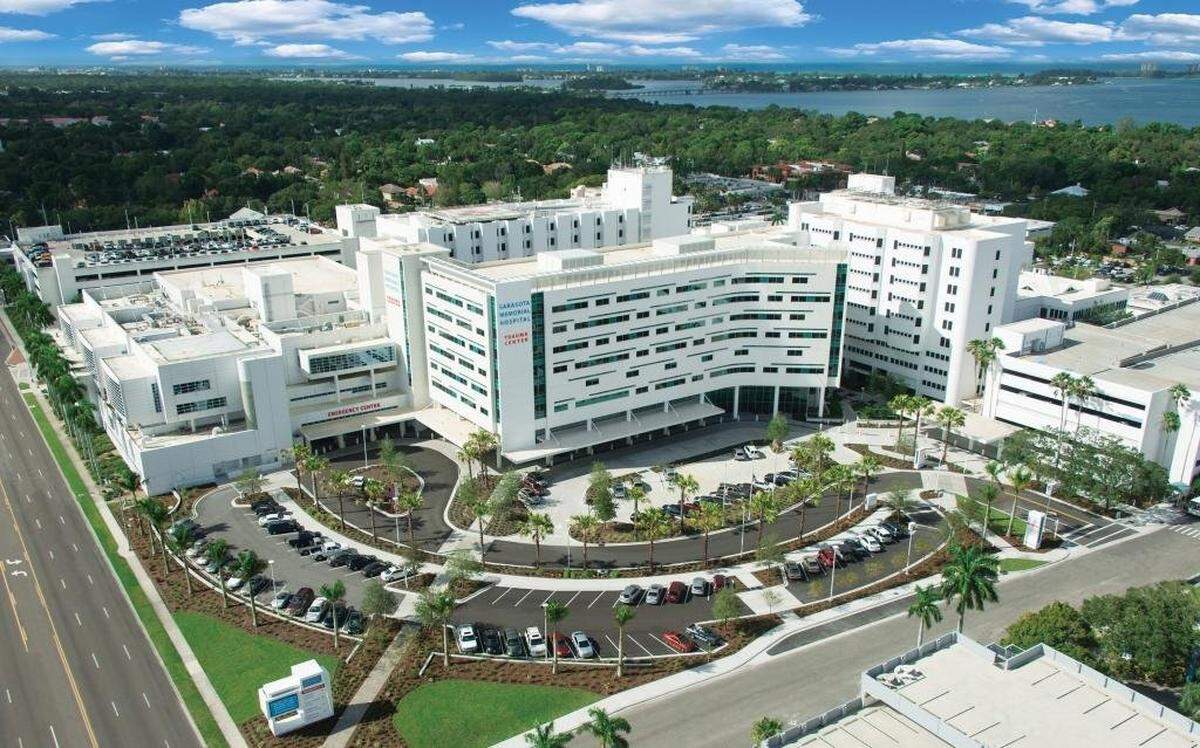
Sarasota Memorial Hospital was among 27 sites participating in the trial, which produced the most definitive evidence yet that the medicine can aid recovery early in the course of disease.
The new results came from a phase three trial that enrolled more than 4,500 patients last fall, around the time virus cases began to surge in the United States. Phase three trials studied different populations and different dosages, and by using the drug in combination with other drugs, in order to confirm its effectiveness.
The study found that patients who got the infusion treatment within 10 days of developing symptoms or testing positive had a roughly 70 percent reduced risk of being hospitalized or dying. The treatment reduced the median recovery time from 14 days to 10.
“From August 2020 to January 2021, SMH did a lot of this groundbreaking research and many of our selfless, heroic patients participated as volunteers,” Dr. Manuel Gordillo, medical director of Infection Prevention & Control at SMH, said in a press release. “The results are very encouraging and a potential game changer.”
Regeneron’s cocktail is among a handful of therapies authorized for COVID-19 patients to prevent severe disease and hospitalization. The drugs are given to patients early in the disease, when the virus is thought to be most susceptible to treatment.
Sarasota Memorial is among a number of hospitals allocated the novel monoclonal antibody therapies for non-hospitalized patients who have been diagnosed with a mild-to-moderate case of COVID-19 within the first 10 days, and have a high risk for severe disease or hospitalization.
People over age 65 are eligible, as well as anyone 18 or older with certain medical conditions that them at higher risk for complications. A physician referral is needed to determine eligibility for the outpatient therapy.
To initiate the screening process, physicians may call the SMH monoclonal antibody infusion referral line at 941-262-0135 from 8 a.m. - 4:30 p.m., Monday - Friday.
Physicians can leave a voice mail after hours with physician name, patient name, patient date of birth, date of positive test and best contact information for the patient. Medicare and most health plans cover the treatment for eligible plan members. People who are uninsured and/or low income are eligible for free and discounted care.
Blake Medical Center in Bradenton reported in December that it was one of four HCA West Florida hospitals offering Bamlanivimab antibody infusions to non-hospitalized patients who have tested positive for COVID-19 and have other high-risk factors.
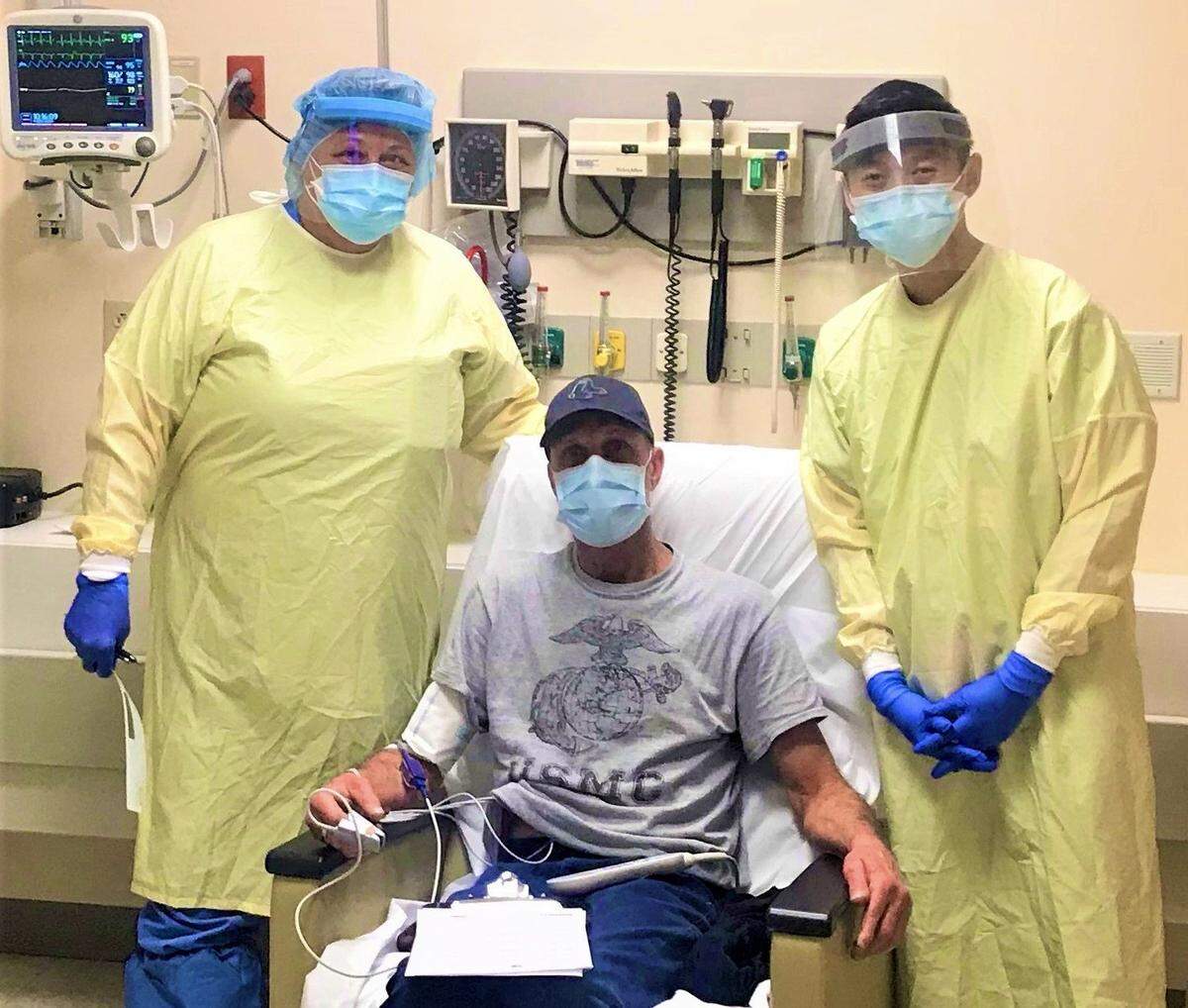
The first patient received the treatment at St. Petersburg General Hospital. The patient, identified only as Harry, was visiting from Massachusetts when he developed symptoms of early onset COVID-19. He was evaluated as an excellent candidate for the new therapy based on his medical history. After the infusion, Harry quickly recovered.
The U.S. Food & Drug Administration granted emergency authorized use of Bamlanivimab for the treatment of COVID-19 patients experiencing mild to moderate symptoms who are high risk to develop severe COVID-19.
“If you’re in a hospital, on a ventilator or in an (intensive care unit), it’s not shown to be helpful,” Dr. Robert Goldszer, chief medical officer at Mount Sinai Medical Center in Miami Beach, said in December. “The key message that I give to people about this is, if you don’t feel well, be in touch with your doctor. ... This can really turn things around, but it has to be given early.”
One year ago, Manatee Memorial Hospital announced it had joined a clinical trial program coordinated by the Mayo Clinic and American Red Cross to collect and administer COVID-19 convalescent plasma to eligible patients.
Blood (plasma) from recovered COVID-19 patients contains antibodies that may help fight the disease.
Manatee Memorial announced in a press release that it had joined the clinical trial program in response to the challenge of fighting COVID-19.
This story was originally published April 1, 2021 at 12:14 PM.