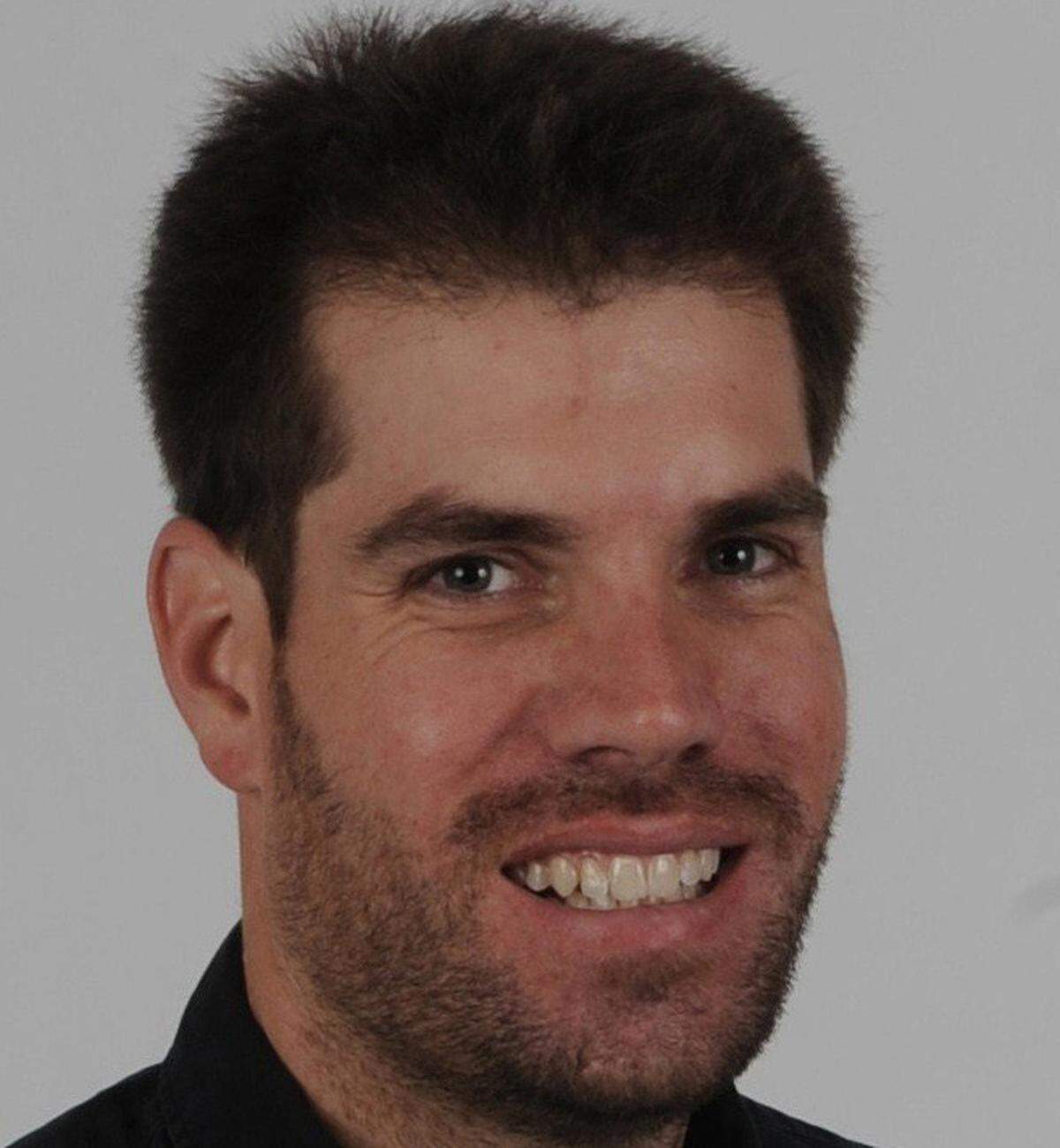
Fear of COVID-19 stopped him from going to the ER right away. It could have killed him.
Donald “Tony” Rogers had felt the symptoms before.
He felt pain in his chest.
“I knew the pain was causing a blockage,” said Rogers, who suffered a heart attack.
Rogers, 82, said he knew he needed to go to the hospital, but he knows what happens if you just walk in.
“If your doctor knows you’re coming, then it’s a different story,” Rogers said. “But I was terrified of going into the emergency room.”
His fear was due to the COVID-19 pandemic, which has claimed more than 93,000 lives in the United States as of Thursday morning, according to the Johns Hopkins University & Medicine’s coronavirus resource center.
Pandemic trend
Rogers’ fear is one example of several in a trend hitting Manatee County hospitals.
“It’s definitely pandemic related,” said Dr. Teresa Rawe, director of Manatee Memorial Hospital’s emergency center.. “A lot of that is because you see on TV and you see on social media and on regular media where people are saying, ‘If you’re sick, don’t go to the hospital. Call your doctor.’”
Rawe said that’s created a heightened sense of staying home and waiting to hear from their doctor or just plain fear.
Without early care for emergency room cases, the results could have long-term effects.
“Particularly with folks who are coming in late with chest pain and stroke-like symptoms,” Rawe said. “... For instance a stroke, if you came in early enough we’d give you a clot busting drug. If you don’t come in early enough, we may or may not be able to do anything other than just supportive care, physical therapy.”
Lakewood Ranch Medical Center emergency services director Christine Bolkema said they’ve had cases of delayed services due to patients feeling intimidated.
“People have a generalized fear out there of the virus, but of the hospital,” Bolkema said. “Today people seem to have this idea that that’s where it’s at. But that’s not necessarily true. We’re following the CDC recommendations. We’re doing the best we can here to keep everybody safe. If you think about heart attacks and strokes, those are some of the cases that we want to make sure they come in and get care as quickly and as effectively as possible. Those are the cases we can turn their care around quickly, and it’s life-threatening if they don’t come in quicker.”
Fortunate arrival
Rogers felt the pain more than three weeks ago. Having experienced seven angioplasties to that point, Rogers was aware of what was happening and what to do.
He took a nitroglycerin pill and rested, and continued with that treatment method for a couple days.
Rogers, whose older brother John and father John both passed away from heart attacks, didn’t see his chest pain subside with the medication.
He called his doctor on a Friday, but he didn’t hear back right away.
“Everything I’d seen on the news, nurses catching it, doctors getting it,” Rogers said. “And I figured if there’s any place it’s at, it’s the emergency room and the hospital. So I just figured it was a one-way trip.”
Fortunately, Rogers was personal friends with Rawe and spoke to her about what he should do.
Rawe advised getting to the emergency room as soon as possible.
Rogers said knowing the signs probably saved his life.
“If this were to happen again, we wouldn’t wait like we did before,” said Reba Rogers, Tony’s wife of 42 years. “We definitely would go right in.”
Safe space
Rawe said she’s heard it a lot, particularly from older patients, that they’re delaying coming to the hospital due to fear or because they though they weren’t allowed to come to the hospital without permission from their doctors.
However, Manatee County hospitals have COVID-19 and other infectious disease patients separated from non-infectious disease patients. And with disinfecting and other safety protocols, it’s a safe place for patients in need of urgent care.
“We’re doing everything we can to keep every person who comes here safe,” Bolkema said. “Separating anyone who possibly has got a whiff of anything, we … isolate them as quickly as we can and we keep everyone as safe as we can.”
Rogers saw it first-hand during his trip to MMH.
“I was surprised when I got there and surprised at how they did the things, and it was completely different from anything I had ever been through before,” Tony Rogers said. “And 24 hours later I was back home, believe it or not after having another angioplasty.”
This story was originally published May 22, 2020 at 5:00 AM.