
U.S. natural gas market kills Port Manatee pipeline project
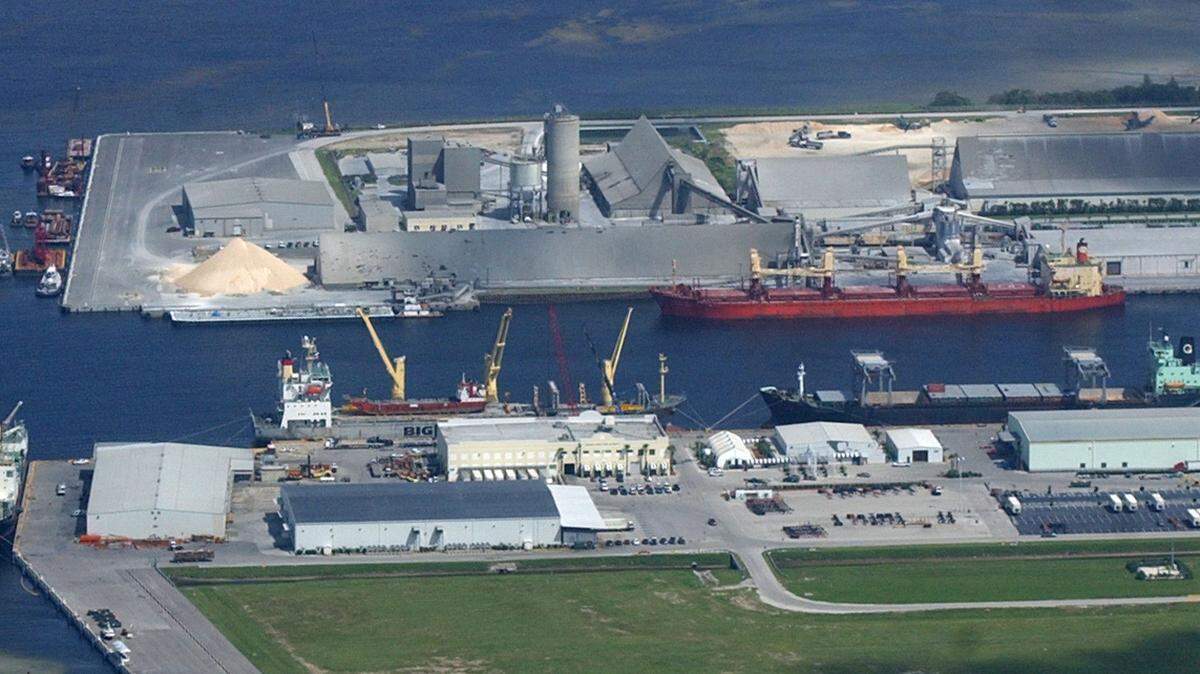
PORT MANATEE -- A liquid natural gas pipeline project that could have brought more than $30 million in cash and assets to Port Manatee has burned out in a market awash with homegrown natural gas.
Port Dolphin Energy, a subsidiary of Norwegian natural gas company Hoegh LNG, notified the Federal Energy Regulatory Commission that it was vacating all permits and permissions it had acquired to build a submerged open-water port that would have connected to Port Manatee via a 28-mile pipeline.
The project would have allowed Port Dolphin to pump imported natural gas from tankers stopping at the deepwater pipeline connection without docking in a physical port. Those tankers would have hooked into what would have essentially been an underwater node miles from shore, then pumped liquid natural gas through an underwater pipeline to Port Manatee. Once on shore, the gas could have been distributed to homes or used to power electric utility power plants.
In its September filing, the company cited a major uptick in domestic natural gas production in the United States as its reason for canceling the project. It stated that the U.S. is "becoming an exporter rather than an importer of natural gas," which left the company unable to negotiate gas import contracts for the facility.
According to the U.S. Energy Information Administration, U.S. imports of natural gas have dropped from a net high of 3.7 trillion cubic feet in 2008 to 1.25 trillion in 2014.
Had the project been built, the pipeline would have come ashore at Port Manatee and would have run through port property. It would have been the second pipeline at the port, running alongside a Gulfstream Natural Gas line built there in 2002.
Port officials said they were not surprised by Port Dolphin's announcement, given the turn in the natural gas market. The port and Port Dolphin had signed an agreement in 2010 under which the company would have given the port $16 million in cash and assets up front and another $15 million over time to use the port as its pipeline landfall.
Dave Sanford, the port's deputy executive director, said Port Manatee never budgeted to receive that money.
"Just following the industry trends, it was fairly obvious that the project was going to be a difficult startup," he said.
Had the project succeeded, it would have boosted the port's growing profile in the natural gas industry. The 587-mile Gulf Stream pipeline transports as much as 1.1 billion cubic feet of natural gas through the port every day from its origination in Alabama. Across the street from the port, Air Products, a manufacturer of natural gas condensers, opened a factory two years ago to build condensers for the world market. Those condensers will be exported through the port.
During the past year, the port also saw another one of its tenants, fuel-supply company TransMontaigne, expand its operations to become a gasoline supplier to RaceTrac gas stations in Florida. The company now sends more than 100 tanker trucks per day from its tank farm at the port to supply pumps at stations throughout the region.
The cancellation of Port Dolphin's project comes as good news to some locally. Glenn Compton, the director of Nokomis-based environmental advocacy group ManaSota-88, said his group welcomes the end of the project. He said he believes the change in the market should make any future attempt to build the facility pointless.
"If they were to propose it again we would raise the same objections," Compton said.
ManaSota-88 had recommended to permitting agencies that the facility not be built, citing possible impacts on endangered sea turtles and other wildlife, and its potential to cause shoreline erosion.
Matt M. Johnson, Herald business reporter, can be reached at 941-745-7027 or on Twitter@MattAtBradenton.
This story was originally published January 4, 2016 at 6:21 PM with the headline "U.S. natural gas market kills Port Manatee pipeline project ."