
Investor Column | Declining future lumber prices are an early indicator of inflation
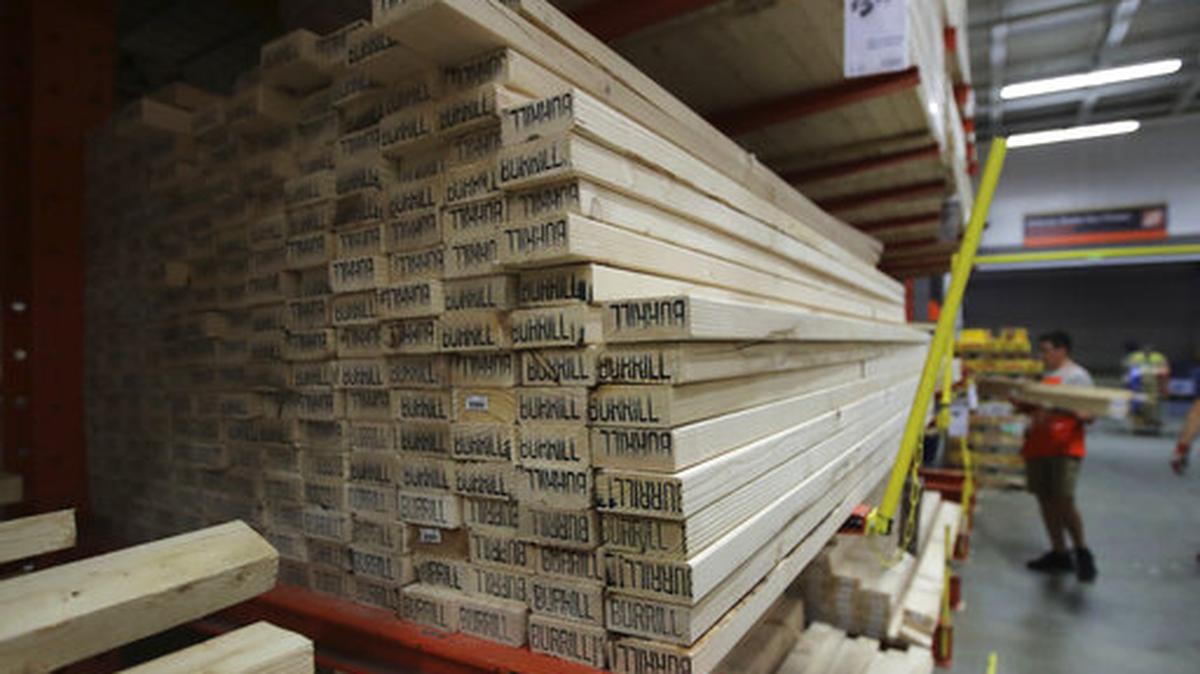
It is not a surprise for the do-it-yourselfer and all parties involved in home construction that we have been seeing inflated prices in lumber. On May 7, the future lumber price was as high as $1,686 per thousand board feet for delivery in July. We experienced futures on lumber prices increasing over 410% from Jan. 5, 2020, to May 7,2021. That sky high pricing increased the cost of an average new home by $36,000 according to the National Home Builder’s Association.
Those higher lumber prices are partially to blame for the 9.5% reduction in housing starts in April. Both new construction home buyers and the contractors who are building those homes have been feeling the pinch and the reduced housing starts are proof that the white-hot housing market is beginning to meet the psychological barrier of paying too much for an order of lumber or signing that new construction purchase contract on a newly built home.
So, it comes as no surprise that as the supply (lumber mills were idled and staff significantly reduced during COVID) versus demand becomes more balanced, futures prices in lumber are beginning to fall precipitously. Currently that price is in the ballpark of a reduction by up to 20%.
Is that the first sign of supply chain prices moderating? It sure appears that way. In December of 2020, the Fed’s projection that Q2 inflation would temporarily run hot with material input costs and supply chain imbalances sure does seem to be on that trajectory. The hope is that those price increases continue to abate across other commodities.
Commodities are a low correlation asset class to the equity markets. Commodity prices have been in a bear market ever since the 2008 great recession. Recently, commodity prices have begun to rise while interest rates have begun to rise. Inversely, low interest rates have allowed growing companies to continue to benefit due to the lower debt costs associated with both existing debt and the opportunity to continue to expand via low-cost debt instruments When interest rates increase historically, growth becomes muted and equity valuations are reduced due to the higher cost to fund expansion. During times of inflation, commodities may act as a hedge to those higher costs because commodities will rise in price just like what has occurred in the price of lumber.
What if indicators begin to show a bit of stickiness regarding inflation? The Employment Cost Index (as a lagging economic indicator) increased more than expected in Q1. This index is widely viewed as a predictor of core inflation. The increased labor costs were tied to attracting employees who have either lost their job or have been working from home and in some cases are receiving both state unemployment payments and the additional $300 per week federal income supplement. That supplement currently will expire in September.
As of May 29, individuals receiving unemployment funds in Florida will need to prove they are actively searching for work once again due to an expiring executive order. Attracting employees has been difficult as the economy has reopened this year. Signing bonuses are common and wages have been increasing to attract employees who have received financial stability due to income coming in from the government. 1 Will increased labor costs become permanent or will those costs gradually settle back to pre-pandemic pay?
Lower future lumber prices are good news just as gas prices, food prices, car prices going back down would be welcomed news. Unfortunately, as we all know prices increase quickly, but they are slow to drop. Do not expect to see cheaper lumber when perusing the aisles of Home Depot and Lowes any time soon. The hope is that this “Transitory Journey” with inflation ends in the next 24 months.
Danny Wood is a principal and founder of SeaCoast Financial Partners. To learn more visit MySeaCoastFinancial.com. The opinions expressed in this material do not necessarily reflect the views of LPL Financial.