
Investor Column | Unique retirement challenges for small-business owners
Small business owners often undertake great challenges, working long hours and exhibiting great pride in their product(s) or service(s) in order to be successful. And when they are successful, they are often then faced with another set of unique challenges: how to get the most value out of their business over time so they can enjoy a comfortable retirement.
That’s the time when business owners usually take one of two possible paths:
- Through comprehensive financial planning, they make a shift toward accumulating personal wealth – separate from their business.
- They continue to take salary & possibly some benefits, but put the remaining profits back into the business in order to grow it.
Either path can lead to a successful retirement, but it’s important to be aware of the challenges that come with each choice.
The preference of most financial planning professionals would be that the business owner works with a balanced plan that permits personal wealth accumulation and some business growth. This means they consider company-sponsored retirement plans, appropriate insurance programs and other “executive benefits” to help accumulate wealth outside of the business. The owner must also realize that planning to “exit” the business should start early – at least several years in advance, if possible, so that the appropriate strategy (lump sum, periodic payout, gradual phaseout, etc.) can be fully developed/implemented. Tax considerations of various exit strategies must be planned for as well. Such a balanced plan should include regular retirement “forecasting” based on their accumulated wealth and the expected value of the business when and how they exit it.
“My business IS my retirement,” is a phrase financial planners often hear from small business owners. Yet, not planning early for that “retirement asset” can have many downsides. If the business value turns out to be over-estimated due to changing market conditions or the “exit” timing is bad or the structure of the sale leads to unplanned taxes, the owner may not have the retirement “nest egg” he/she was expecting. This may cause them to have to work in the business longer than expected or sell at a lesser value and become an employee elsewhere. Getting a sense of what the business is worth early, and then continuously taking steps to enhance its value along the way will help to protect this “retirement asset.” Such steps must usually be done with the help of experienced professionals – again, early and often.
Assuming the retirement planning challenges are met with this unique asset (the business), small business owners should not overlook their estate plan. This means having a contingency plan in the event of their untimely death (which could have a huge adverse impact on the value of the business, not to mention the owner’s family) or making sure the legacy they leave because of the business they owned benefits who they want, when they want and how they want. Estate planning for a small business owner is often much more complex than it is for individuals, and should not be overlooked once “business success” is achieved!
In summary, small business ownership can be a wonderful, fulfilling journey. To help assure that the eventual journey into retirement is equally or more fulfilling, thorough financial planning needs to happen every step of the way.
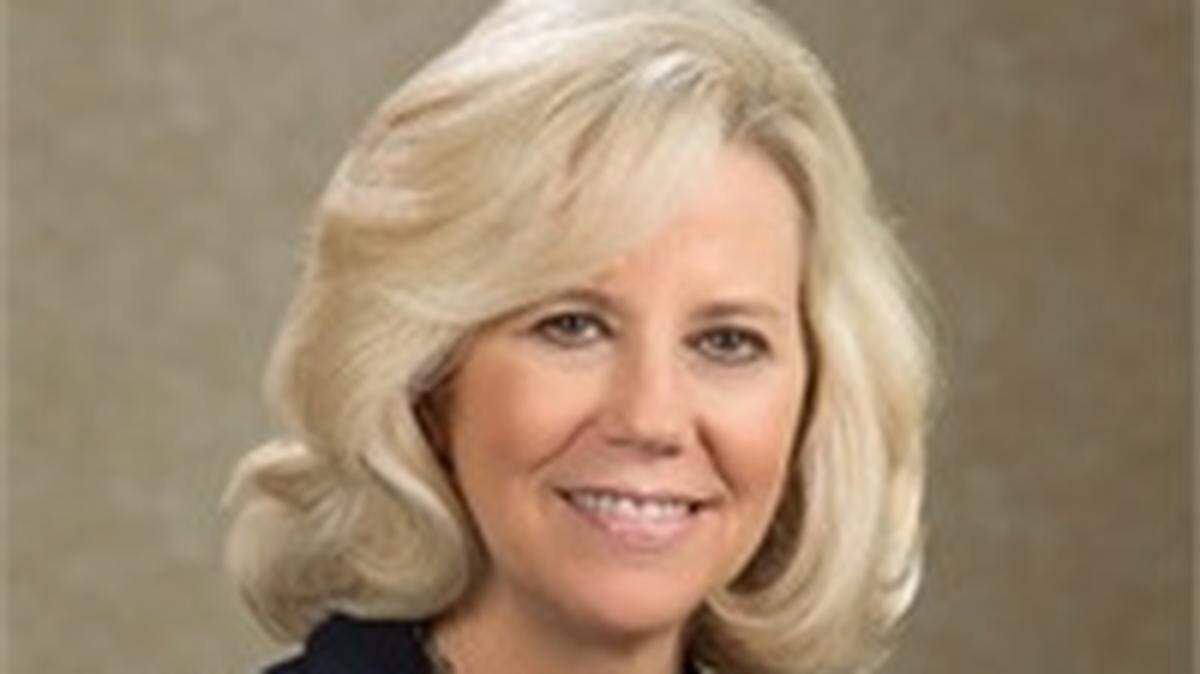
Karin Grablin is with SRQ Wealth, One North Tuttle Avenue, Sarasota 34237, 941-556-9004. www.srqwealth.com. Securities offered through Cetera Advisor Networks LLC, a Broker Dealer, Member FINRA/SIPC. Investment advisory services offered through CWM LLC, an SEC Registered Investment Advisor. Cetera is under separate ownership from any other named entity. This article is designed to provide accurate and authoritative information on the subjects covered. It is not, however, intended to provide specific legal, tax, or other professional advice. For specific professional assistance, the services of an appropriate professional should be sought. For a comprehensive review of your personal situation, always consult with a tax or legal advisor. Neither Cetera Advisor Networks, LLC nor any of its representatives may give legal or tax advice.