
Speaking Volumes | Get to know comedian Buster Keaton all over again at the library
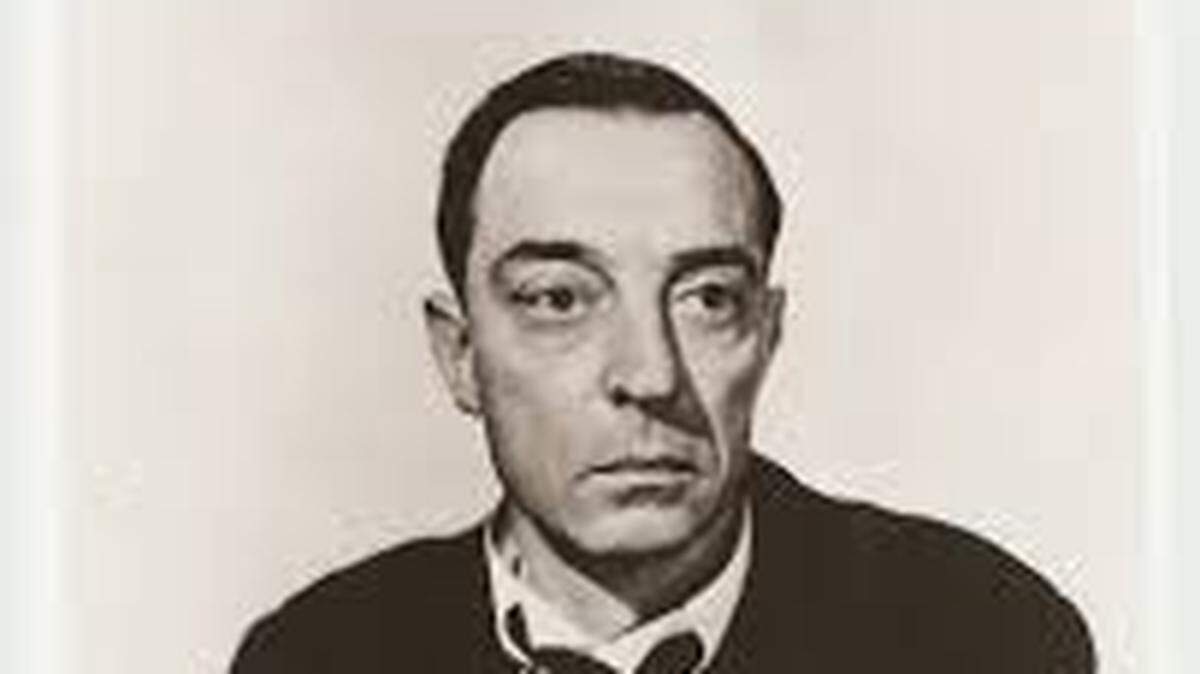
Don’t laugh at your own jokes.
That’s good advice for comedians, and it is advice I have heard throughout my life, especially when I was performing standup comedy. It’s also something that Buster Keaton, “The Great Stone Face”, learned early in his career as he performed in vaudeville theaters as a child, being thrown around the stage and, sometimes, into the audience.
Don’t laugh while performing, and always land correctly. Got it.
Born in 1895, he easily transitioned from live performances to film when he and his mother moved to New York in his early 1920s. He met Roscoe “Fatty” Arbuckle and they made 14 comedy shorts together at the Talmadge Studios under contract to Joseph M. Schenck. It didn’t take long for Keaton to begin starring in and directing his own full-length feature films. He created and performed his own ingenious gags and stunts, and he always wore that famous pork pie hat.
One of the most memorable images of his career was from 1928’s “Steamboat Bill, Jr”. Keaton is standing in the street in front of the building, facing away from it, during a terrible storm. The wall comes crashing down and falls around Keaton. He was standing at the exact spot where the open second-story window frame landed. There are only a few inches of clearance around him. This iconic scene makes it into every compilation reel of film history, you may have seen it many times.
He moved on to MGM Studios and then Columbia Pictures and made many films in his career, but “The General” (1926) is one of his most famous roles. It was set during the American Civil War and was not considered a full-on comedy; critics panned it at the time. Now it is known as one of his greatest achievements.
Keaton made films up until the end of his life, including a cameo in “It’s a Mad, Mad, Mad, Mad World” (1963); his last commercial film was “A Funny Thing Happened on the Way to the Forum” (1966).
His deadpan, stoic expression is recognized by people who may not even know his name, and he is one of the kings of the silent screen era in Hollywood, along with Charlie Chaplin and Harold Lloyd. Oh yeah, and it turns out Buster Keaton smiled and laughed and even “broke” on movie sets, many times. It was all an act. But it works, and when it works, you keep it in the act.
You can find many books about Buster Keaton and DVDs of his films at your library branch and digital resources such as collections of his early short films and his autobiography “My Wonderful World of Slapstick” on our online databases such as Hoopla and Overdrive.
“The Buster Keaton Collection” DVD which includes such films as: “The Cameraman”, “Spite Marriage” and “So Funny It Hurt” is available for check out, as well as the book: “Too Funny for Words: A Contrarian History of American Screen Comedy from Silent Slapstick to Screwball” by David Kalat.
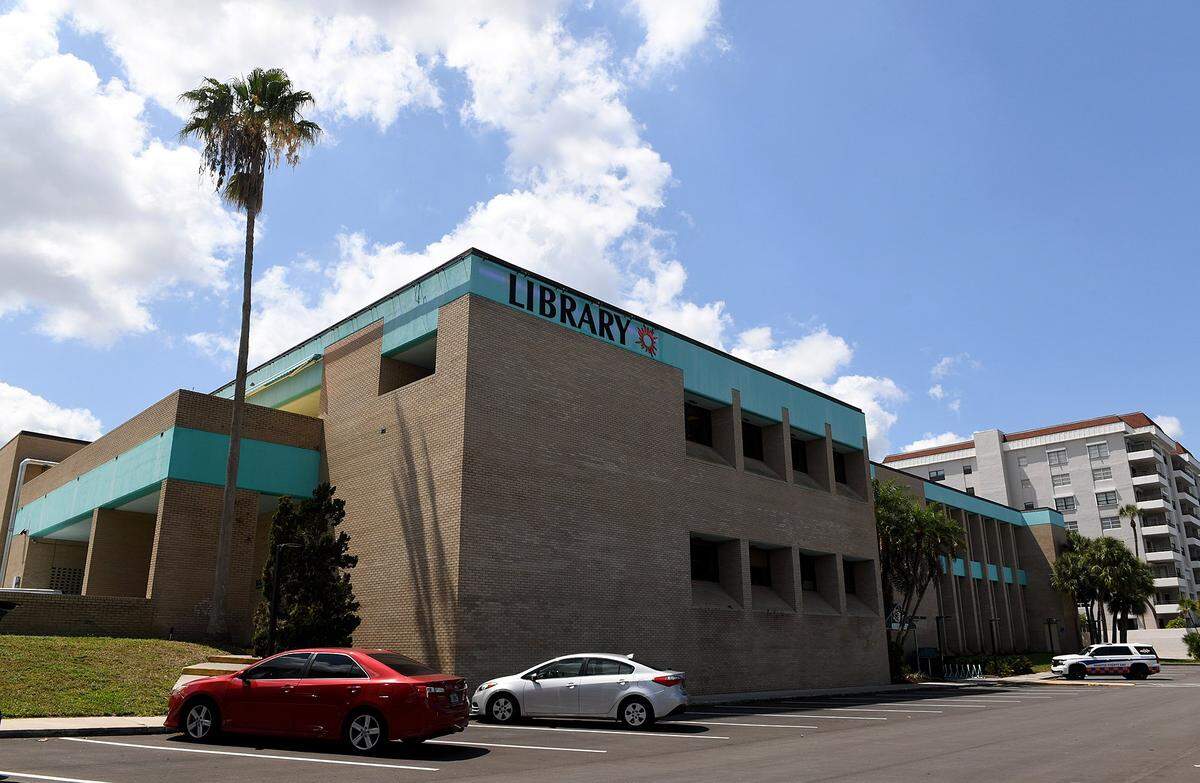
Your library is online at www.mymanatee.org/library. Free masks are available at all library locations. Manatee Libraries are fine free! Please note that lost/damaged fees still apply.
Mary Tischbein is a member of the Bradenton Central Library staff. Speaking Volumes is a regular column written by members of the Manatee County library system.
This story was originally published October 6, 2021 at 12:46 PM.