
Baby Talk: Here’s what the different types of blood mean to your newborn
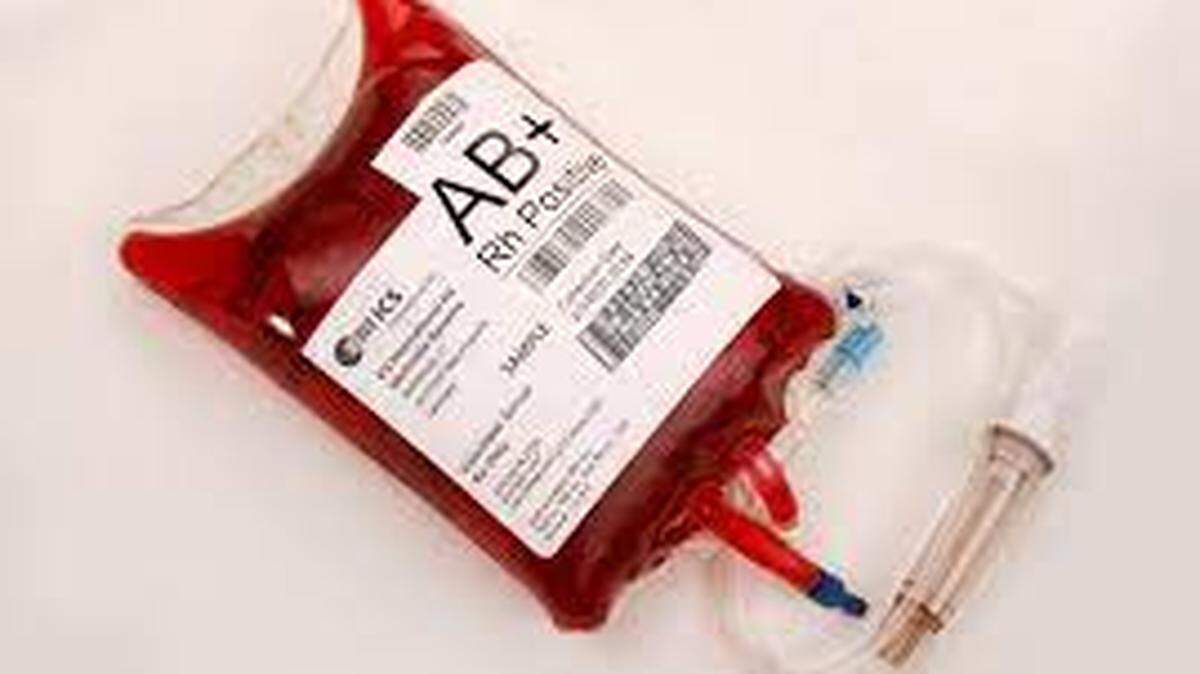
Just like we inherit the color of our eyes and the shape of our nose, we pass on to our children our own blood history.
The most common factors, or types, are A, B, O and D.
We pass on to a baby both dominant and recessive genes. It is their unique gene pool.
Blood type is determined by the dominant alleles or receptors both parents pass on to their baby. Alleles are a pair of genes on chromosomes. Genes are the basic unit of heredity. We receive 23 chromosomes from each of our parents.
There are three different alleles for human blood types. These are A, B, and O. There are four different blood types: A, B, AB and O. Because both the mother and the father are contributing to the determination of the baby’s blood type, there are 16 different possible combinations. We have dominant and recessive factors in our blood.
Type A blood has the A receptor. Type B blood has the B receptor. Type O has no receptors.

If a mother is type O she will pass on the O receptor. If a father is A or B he passes on either. Because there are dominant and recessive factors the baby’s blood type will be determined by how the chromosomal factors come together. The baby could have either type O or type A or type B blood. If the mother has type O blood and the father has type O blood the baby will have type O blood. This is because type O blood has neither the A or the B antigen receptors. If the mother is type A and the father is type B the baby could have both receptors and have type AB blood. If both parents are type A the baby will be type A. If both parents are type B the baby will be type B.
The D factor is also referred to as the Rh factor. It is called the Rh factor because it was first discovered in Rhesus monkeys. If a mother is Rh or D positive, there is no danger to her growing baby. If the mother is Rh or D negative, and her baby is Rh or D positive, her blood will react by destroying the baby’s blood.
Prior to the development of the vaccine RhoGAM at Columbia University Vagelos College of Physicians and Surgeons, one of the most devastating fatal conditions for a newborn was erythoblastosis fetalis. It killed approximately 10,000 newborns a year and caused brain damage in many more. The drug has saved millions of lives.
There are people who believe your blood type affects your personality. I have even heard of people who think people with type A blood don’t like tomatoes. It is always fun to draw connections. All I know is your blood is a reflection of your gene pool.
Katie Powers, R.N., is a board-certified lactation consultant and perinatal educator at Manatee Memorial Hospital’s Family BirthPlace. Her column appears every other week in Healthy Living in the Bradenton Herald. Contact her at katie.powers@mmhhs.com.
This story was originally published August 30, 2021 at 1:33 PM.