Florida just banned iguanas, tegu lizards and Burmese pythons. What other species?
By Michelle Marchante and
Adriana Brasileiro
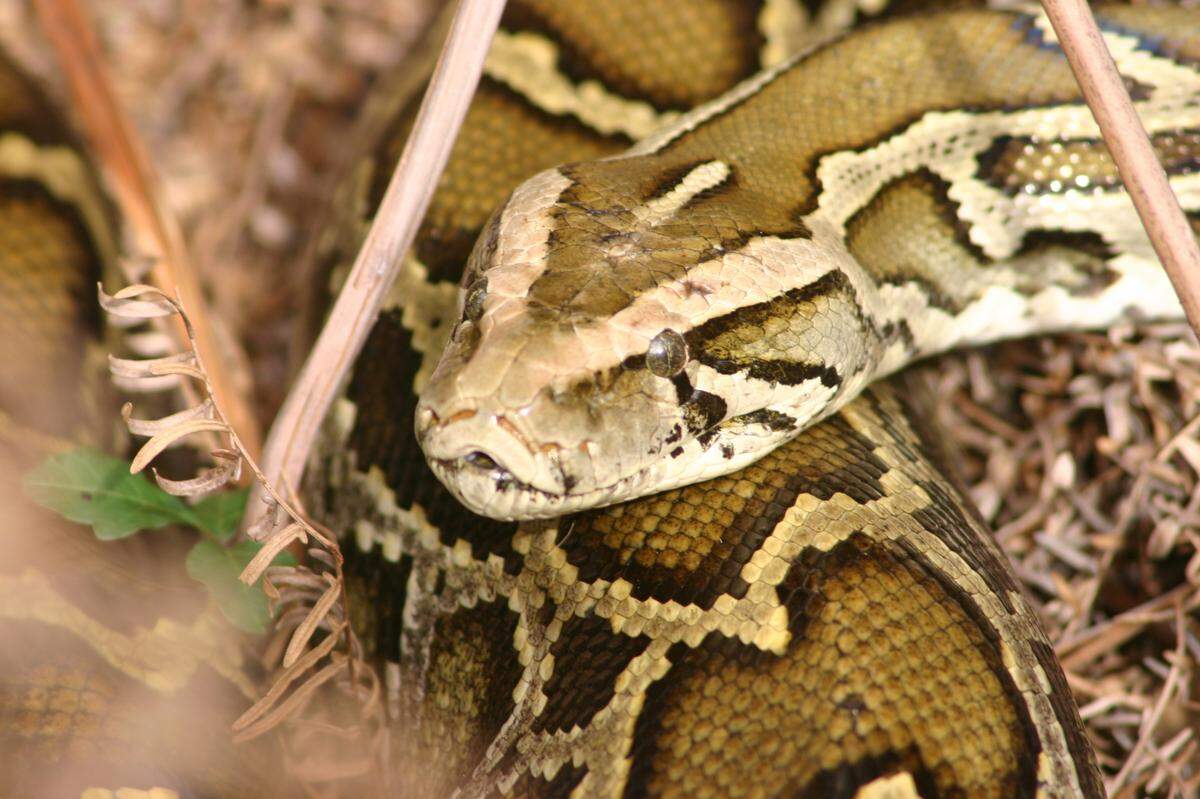
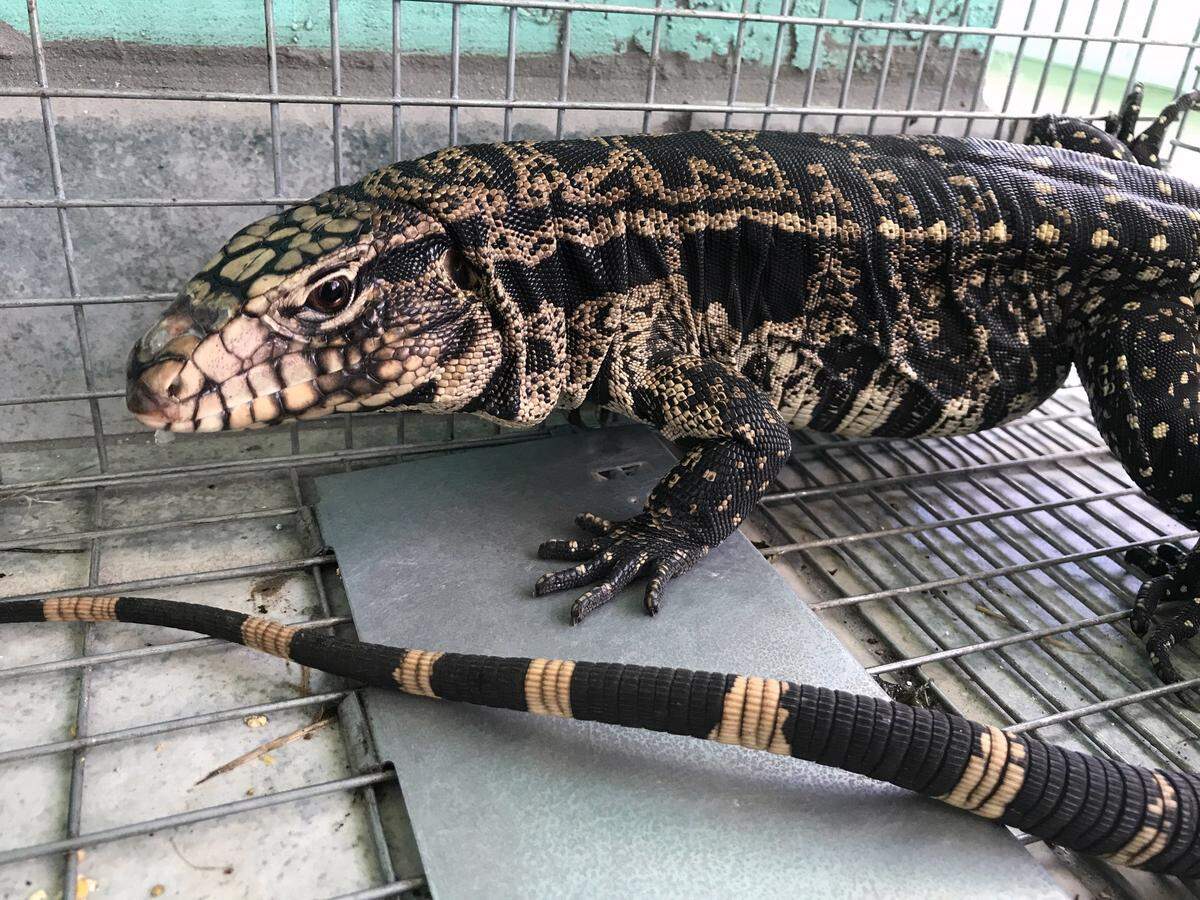
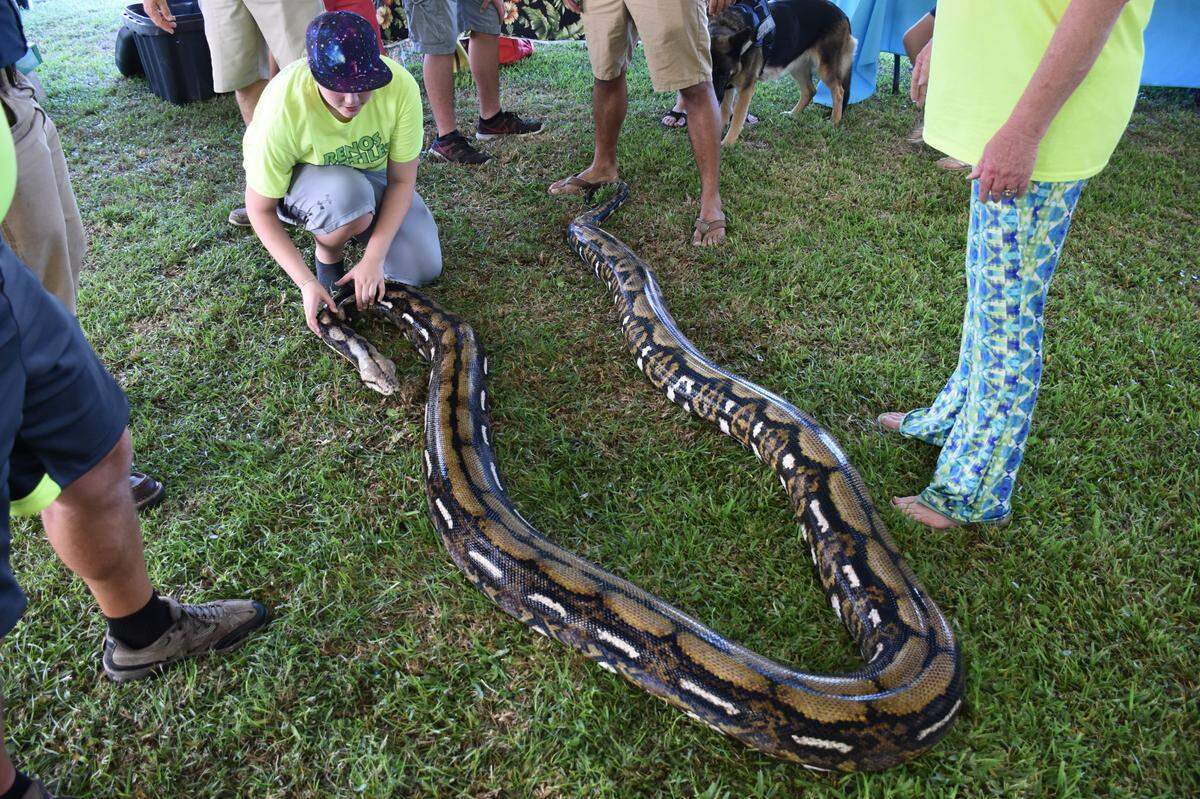
Florida is banning the sale, ownership and breeding of 16 invasive reptiles, including green iguanas, several python species and tegus. However, anyone who currently owns a pet iguana or tegu won’t have to give their scaly critter away.
You’ll still be allowed to keep your pet for the remainder of their lives, but, you’ll have to apply for a free permit, according to the Florida Fish and Wildlife Conservation Commission. Pet owners will also have 180 days to comply with new regulations mandating concrete enclosures for reptiles kept outdoors.
Some of the other species being added to the FWC’s prohibited list, including the Burmese python, were previously on the conditional species list, which meant that breeding was allowed with permits. These reptiles could not be personal pets.
The new changes, which were approved Thursday, will be phased in over the coming months, with the toughest measure — a total ban on commercial breeding in Florida of tegus, iguanas and prohibited snakes — set to go into effect June 2024. The rules also ban importation of these species.
Listen to today's top stories from the Miami Herald:
Wondering what other reptiles are being moved onto the FWC’s prohibited list? Here’s the list:
What invasive reptiles did Florida ban?
Green iguanas
Miami Florida, October 3, 2019- A large mature male Iguana basks in the sun along with a female at the Miami Beach Golf Club. Mature male green iguanas turn orange in order to attract female green iguanas. Jose A. Iglesias jiglesias@elnuevoherald.com
Green anacondas are considered to be the largest snake in the world, and make their home in northern South America. Florida Fish and Wildlife
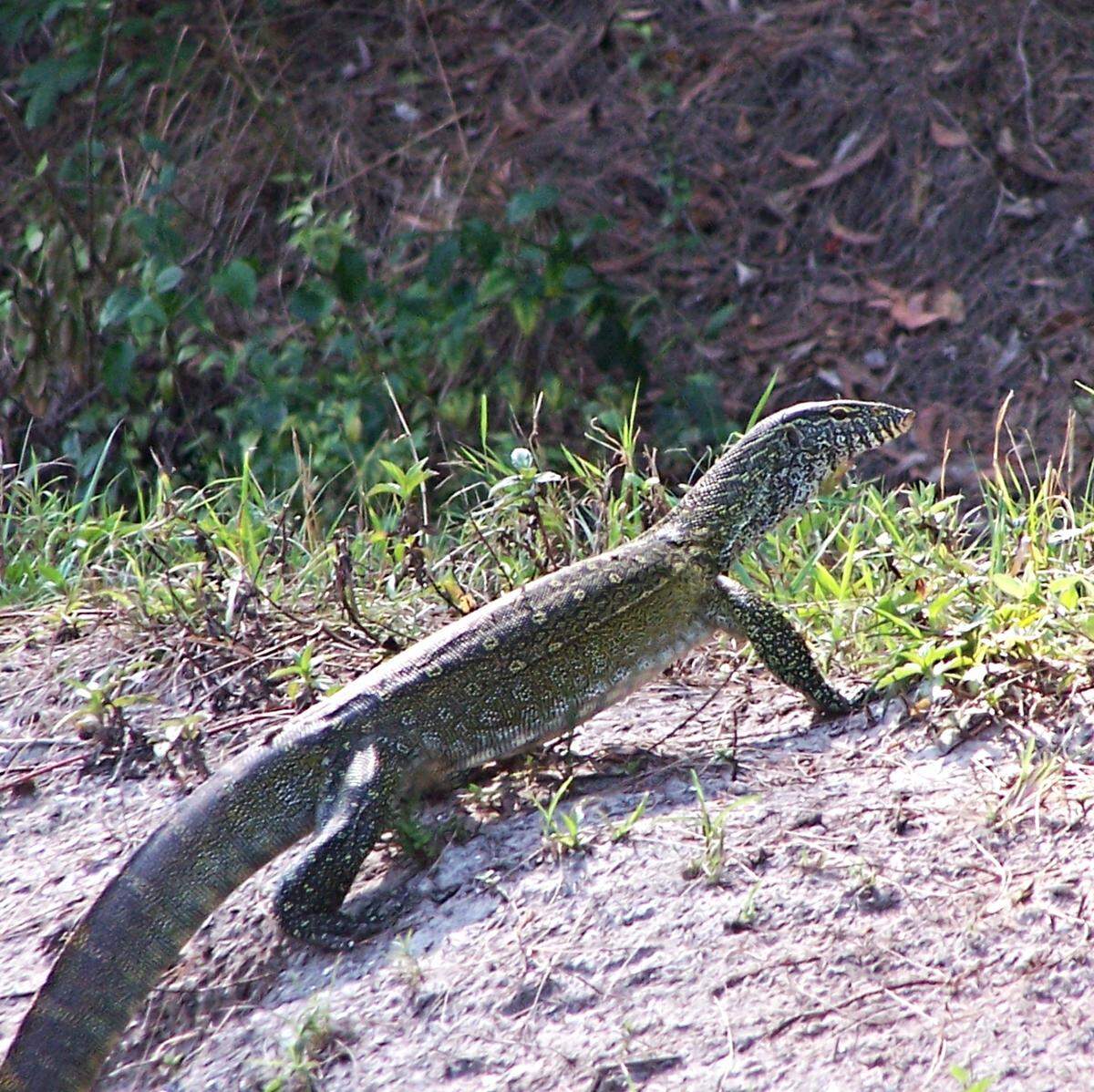
Nile monitor lizards
Nile monitor lizard Florida Fish and Wildlife
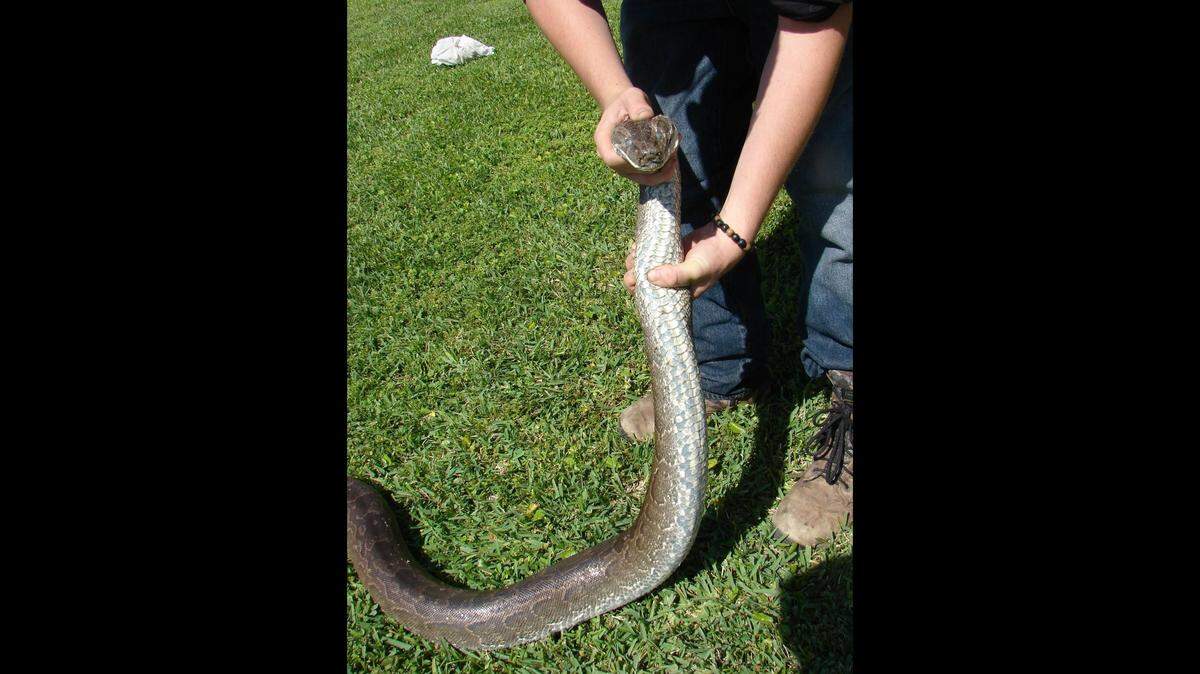
Northern and Southern African pythons
Northern African or rock pythons are a nonnative species of large constrictor snake that can be found in a small area in Miami-Dade County. While very similar in appearance to the Burmese python, the pattern on the back of the Northern African python is less defined. The belly scales of a Northern African python are a pattern of black and white markings. Florida Fish and Wildlife
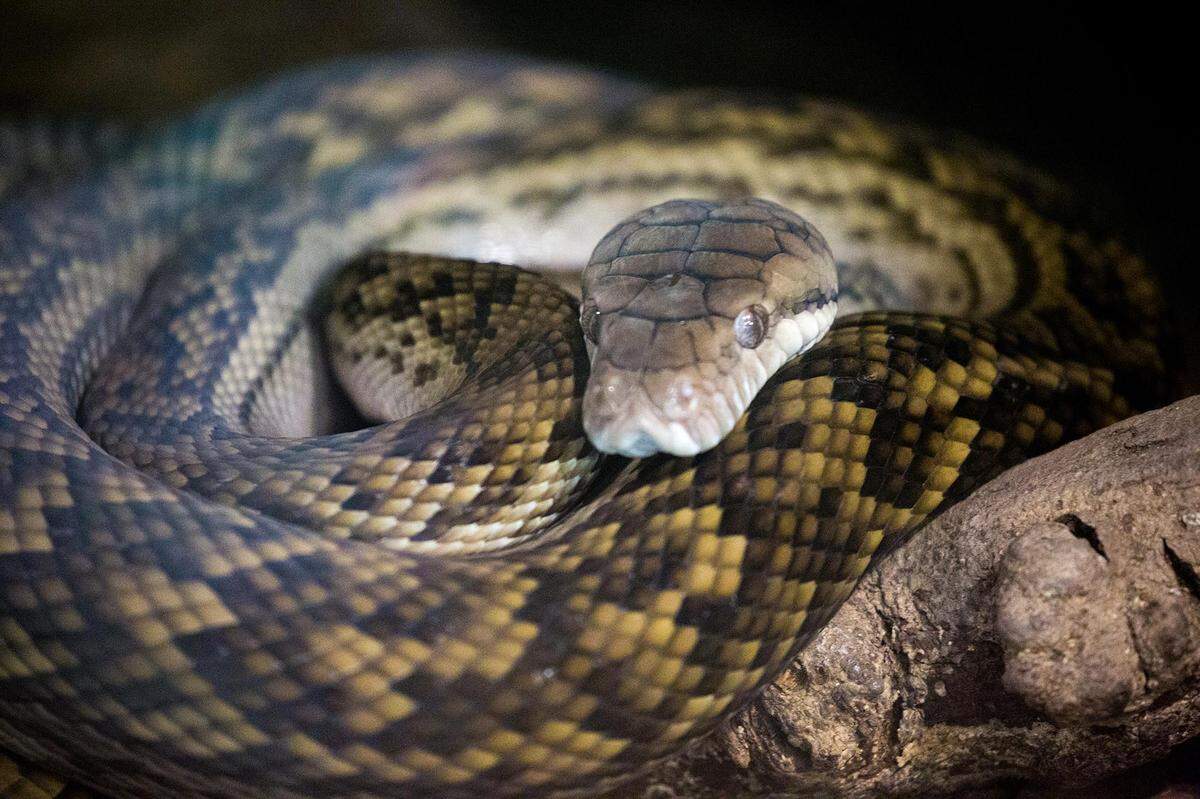
Scrub pythons
A Scrub Python (Simalia amethistina) coiled up on the ground. It is one of the six largest snakes in the world and is endemic to Australia and New Guinea. Goddard_Photography Getty Images/iStockphoto
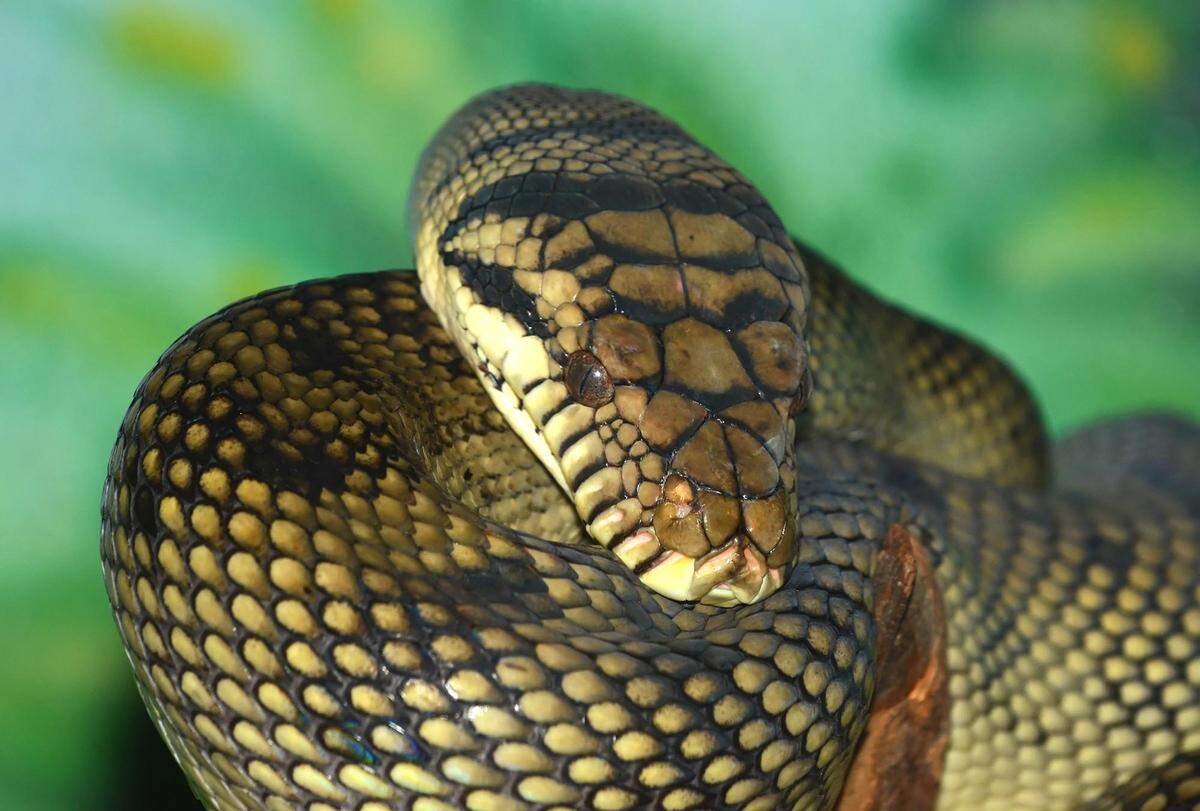
Amethystine pythons
The amethyst or amethystine python (liasis ametistinus) , the largest snake in australia, can grow up to 25 feet and is very aggressive thewizzthatwoz Getty Images/iStockphoto
Michelle Marchante covers the pulse of healthcare in South Florida and also the City of Coral Gables. Before that, she covered the COVID-19 pandemic, hurricanes, crime, education, entertainment and other topics in South Florida for the Herald as a breaking news reporter. She recently won first place in the health reporting category in the 2025 Sunshine State Awards for her coverage of Steward Health’s bankruptcy. An investigative series about the abrupt closure of a Miami heart transplant program led Michelle and her colleagues to be recognized as finalists in two 2024 Florida Sunshine State Award categories. She also won second place in the 73rd annual Green Eyeshade Awards for her consumer-focused healthcare stories and was part of the team of reporters who won a 2022 Pulitzer Prize for the Miami Herald’s breaking news coverage of the Surfside building collapse. Michelle graduated with honors from Florida International University and was a 2025 National Press Foundation Covering Workplace Mental Health fellow and a 2020-2021 Poynter-Koch Media & Journalism fellow. Support my work with a digital subscription

.jpg "24778201152_09608487dd_o (1).jpg")