How Anita Bryant’s Miami anti-gay campaign pioneered today’s parental rights movement
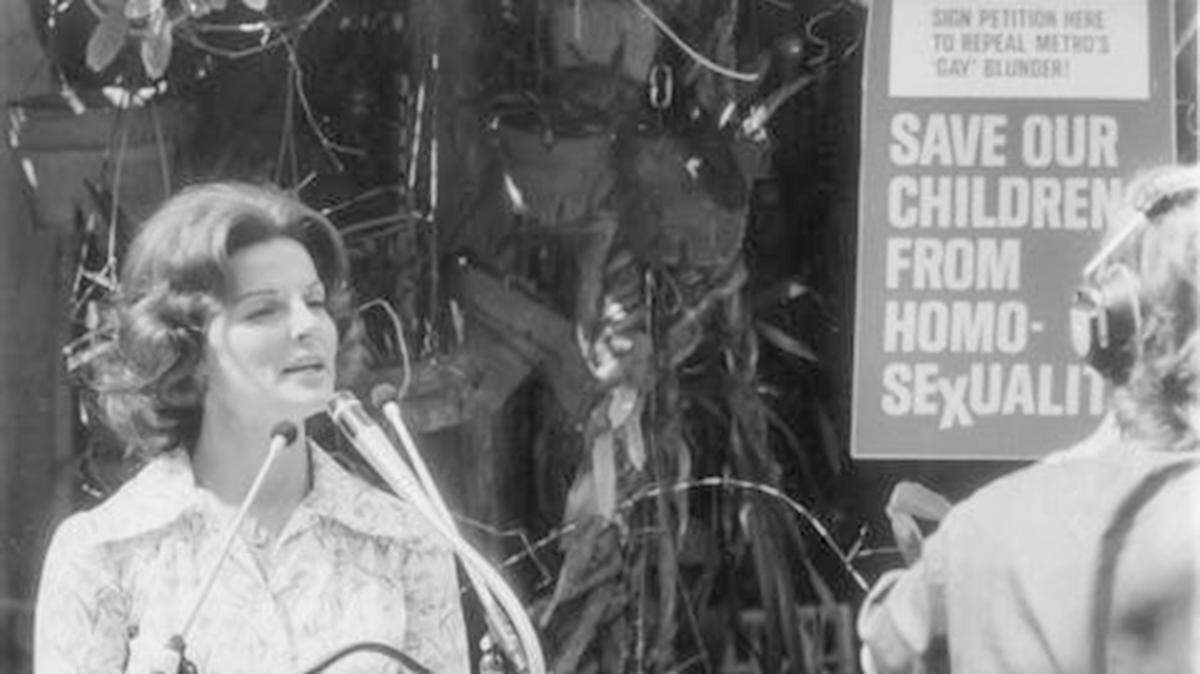
Nearly half a century after Anita Bryant made Miami the crucible in the fight for gay rights, she has died of cancer in Edmond, Oklahoma, at age 84. But her cause, once mocked as intolerant and self-righteous, has been revived by members of today’s conservative Christian movement who warn that homosexuality is a threat to children.
Bryant and her Save Our Children coalition — later changed to Protect America’s Children — led a successful 1977 campaign to overturn a Dade County ordinance prohibiting discrimination against gays. It took the county 21 years to restore the law.
Bryant’s campaign shone a spotlight on Miami and served as the model for anti-gay rights activists who organized around the country. Moral Majority founder and televangelist Jerry Falwell was a Bryant supporter who joined her in Miami.
“Vote for repeal of Metro’s gay blunder,” read one of the Save Our Children flyers, referring to the Metro Commission, now the County Commission.
“Yes, Anita! I want to help you bring America back to God and morality,” read a fundraising card.
Opposition campaign buttons read, “Anita Bryant Sucks Oranges.”
“As a mother, I know that homosexuals cannot biologically reproduce children; therefore, they must recruit our children,” Bryant said during her campaign. “If gays are granted rights, next we’ll have to give rights to prostitutes and to people who sleep with St. Bernards and nail biters.”
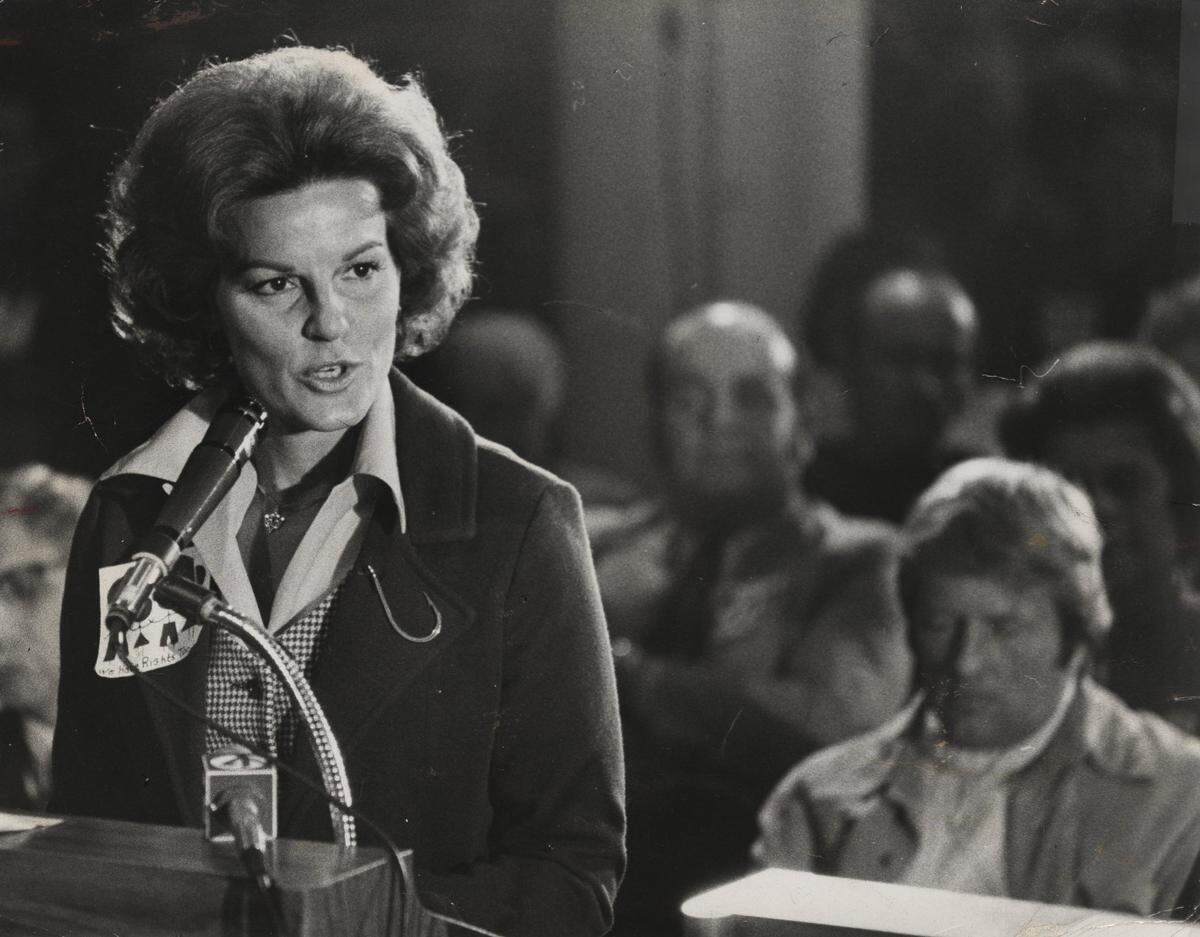
The popular singer and Florida citrus industry pitchwoman’s speeches centered on what she perceived as imperilment of Christian values. She called homosexuality an “abomination” and feared that if gay teachers were hired at her children’s Christian school, they would influence students to become gay.
“What these people really want, hidden behind obscure legal phrases, is the legal right to propose to our children that theirs is an acceptable alternate way of life,” she said. “I will lead such a crusade to stop it as this country has not seen before. With God’s continued help, we will prevail in our fight to repeal similar laws throughout the nation.”
Dade County passes gay-rights amendment
On Jan. 18, 1977 — the day before it snowed for the first and so far only time in Miami — Bryant and her supporters packed the county’s Metro Commission chambers to protest an amendment to the anti-discrimination ordinance that added “affectional or sexual preference.”
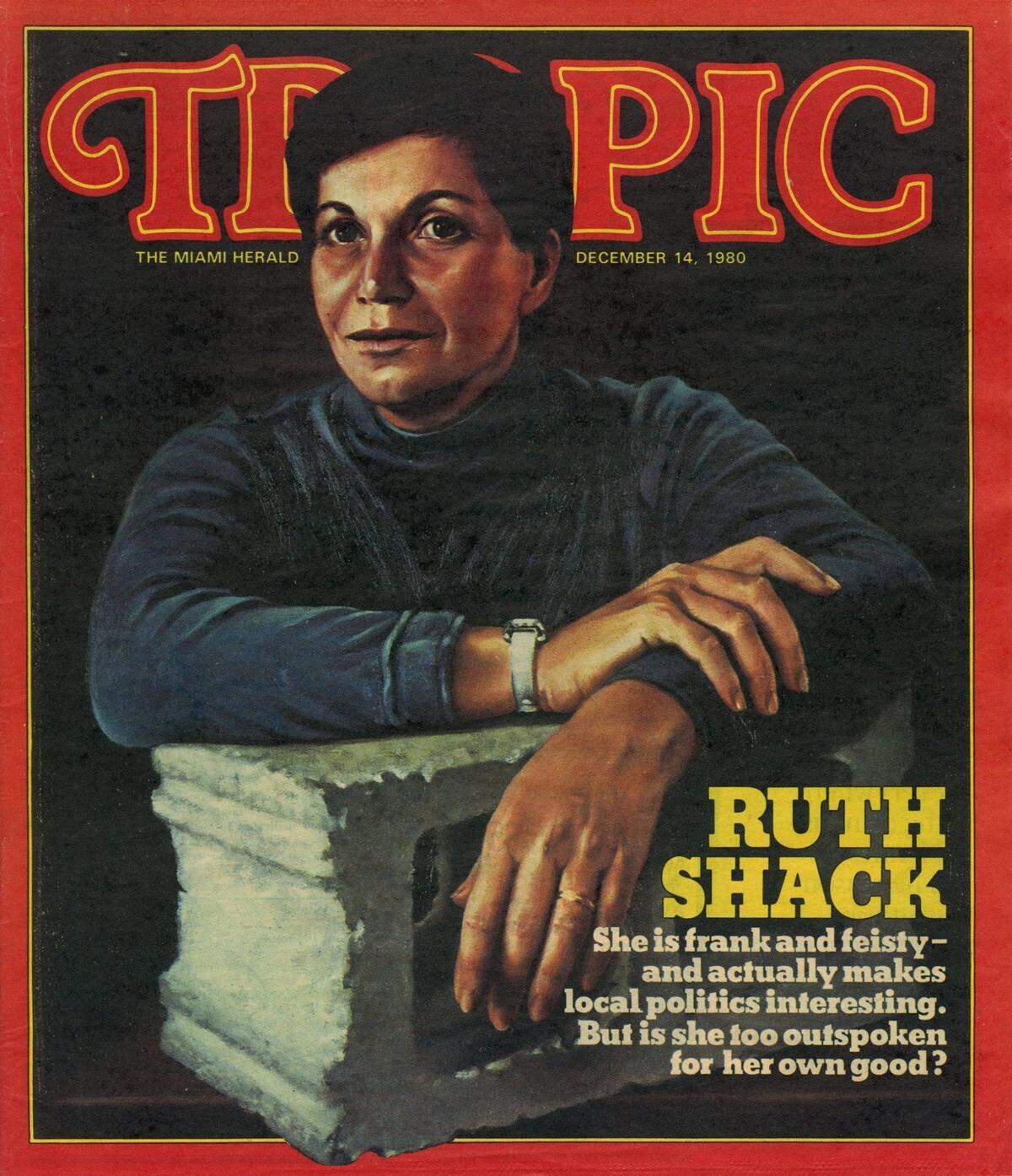
The amendment was introduced by Commissioner Ruth Shack, whose husband Richard was Bryant’s agent. Commissioners voted 5-3 in favor and Miami became the first major metro area in the U.S. to pass legislation protecting gays in employment, housing and public services.
Weeks later, Bryant and other gay-rights opponents petitioned to put the law up for public vote. She was supported by Miami Archbishop Coleman Carroll, who urged Catholics to reject it. A nasty six-month conflict between competing campaigns ensured.
Shack, who had been friends with Bryant, received death threats.
“Having introduced the amendment to the ordinance which said gays should be accepted as human beings, the hate in the town was so ferocious,” Shack told the Herald. “The hate mail, the death threats, the promise that I would never be able to walk the streets.”
In June, 69 percent of county voters repealed the law. Bryant declared a landslide victory.
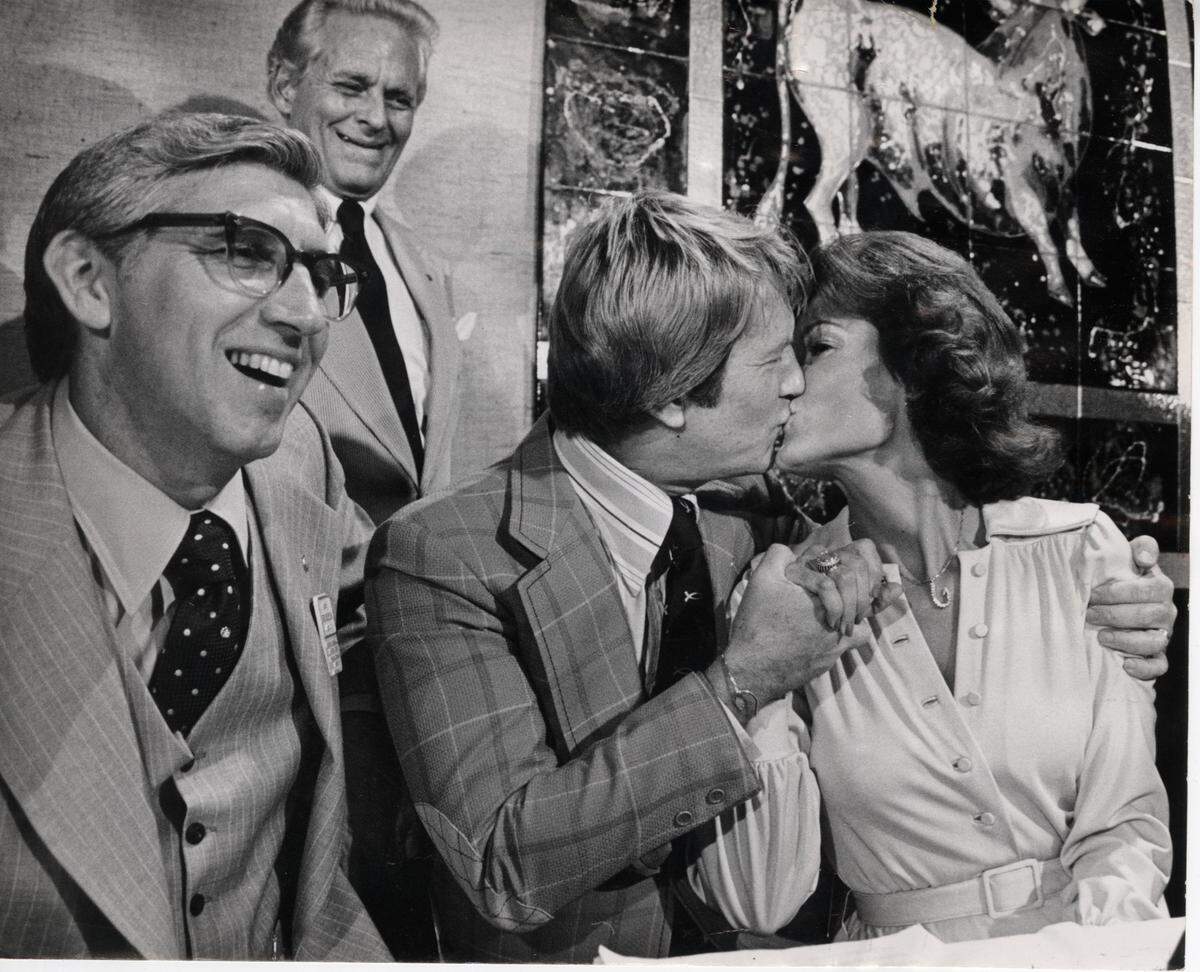
“People of all ages, genders and nationalities spoke out about gay rights publicly because of Anita Bryant,” former Miami Herald gay issues reporter Steve Rothaus said. “She caused a lot of pain for a lot of people.”
While Bryant’s campaign stirred homophobic fervor, she also galvanized gay rights activists, who later fought for gay marriage and gay adoption rights and protections for people with AIDS and transgender people.
.JPG "homosexual20140225009_a (1).JPG")
Dade County: ‘Ground zero for the national gay rights movement’
“Everyone knows Stonewall, and they often look at that as the birth of the gay rights movement, but I say Miami-Dade County was actually ground zero for the gay rights movement,” he said.
The June 28, 1969, police raid of New York City’s Stonewall Inn — a gay bar in Greenwich Village — led to a series of protests and riots referred to as Stonewall.
Eight years later, Bryant’s high profile as a celebrity put Miami in the headlines.
“Anita Bryant was a pioneer, a hero and the first parental rights champion in our country,” said Anthony Verdugo, founder and executive director of the Christian Family Coalition Florida.
He is a frequent speaker at Miami-Dade County School Board meetings and favored ending “LGBTQ Month” recognition in public schools. His organization advocated for defeat of Florida’s abortion-rights Amendment 4. “She had a huge impact and will be remembered not as anti-anything but as pro family, pro children, pro parent, pro home.
“She had the vision to see what was coming and foretold the battle we fight today recognizing that there is nothing civil or human or right about imposing ideology under the cover of education.”
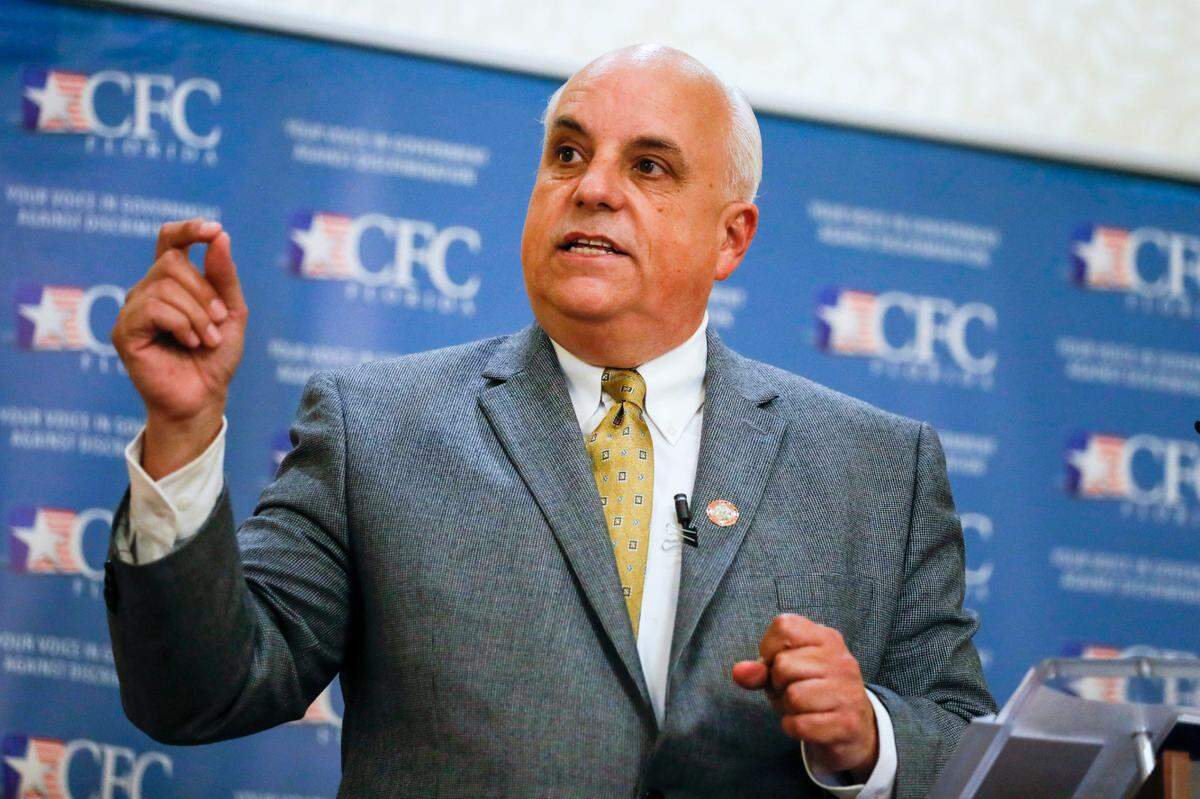
Verdugo said Bryant was “ahead of her time,” citing controversies today such as the Moms for Liberty campaign to ban books in schools, anti-abortion groups’ support of laws requiring parental notification and consent for abortions, and the participation of trans athletes in women’s sports.
“The government is supposed to oversee education — the teaching of reading, writing, arithmetic — not indoctrination on political and ideological subjects,” Verdugo said. “When a child comes home from school and says, ‘Hey, dad, I learned today there are 102 different genders,’ how are parents supposed to explain that?
“Anita Bryant foresaw how we would go backward on Title IX and allow men who identify as women to compete against women. How is that equal rights?”
Bryant, a mother of four, grandmother of seven, gave a voice to parents frightened about societal change, and they backed her, Verdugo said.
Paying the price for her campaign
Bryant’s career as an entertainer and product endorser went downhill and later collapsed as a result of her activism.
Bryant was famous for her Florida Citrus Commission commercials that drew people to the state in the 1970s, singing “Come to the Florida Sunshine Tree” and proclaiming, “Breakfast without orange juice is like a day without sunshine.”
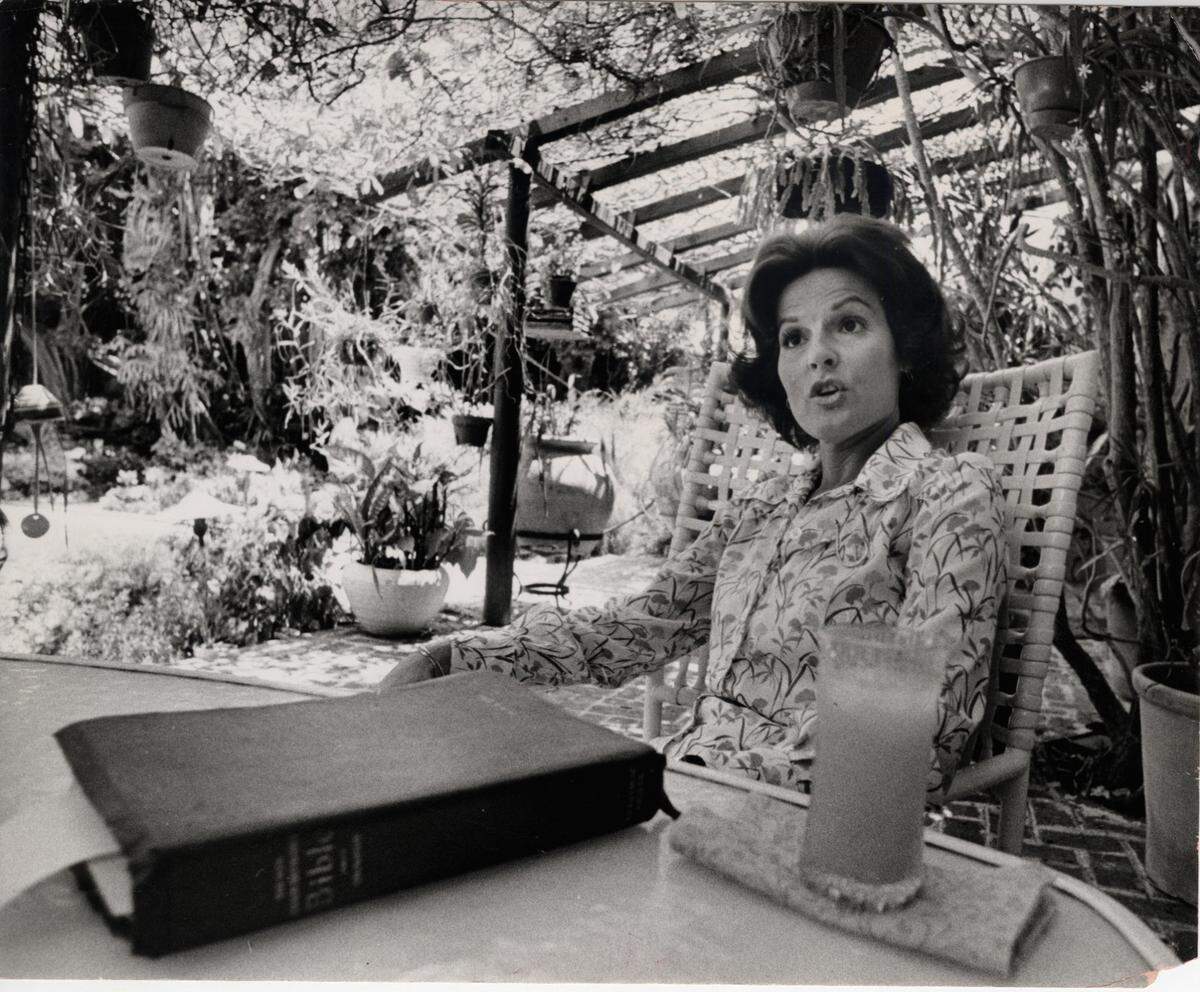
She also endorsed Coca-Cola, Phillips 66 and Tupperware.
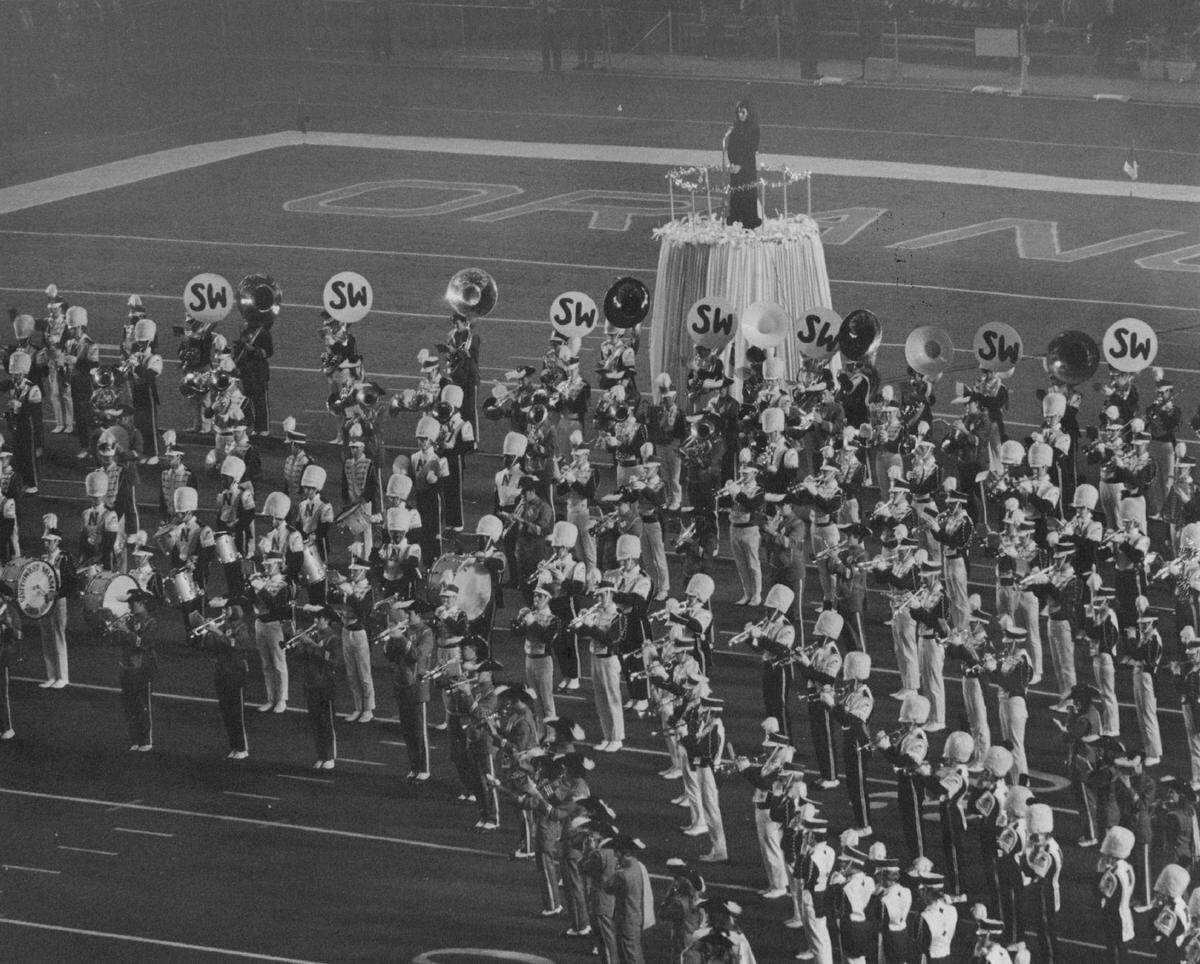
The former beauty pageant queen and guest on the shows of Dick Clark, Ed Sullivan, Perry Como and Jack Paar released 27 albums and had a number of radio hits, including “Paper Roses.” She had performed on tours with Bob Hope and Billy Graham, sang at the 1971 Super Bowl and co-hosted the televised Orange Bowl parade for nine years.
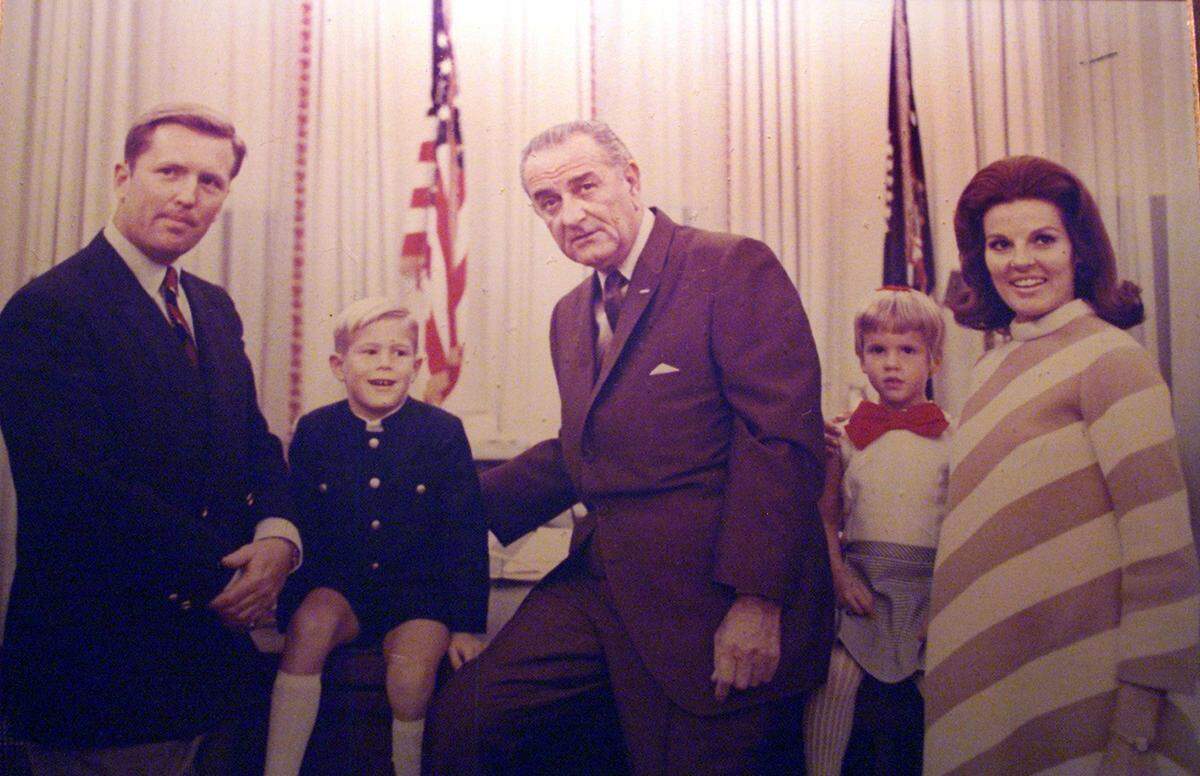
But after her Miami campaign, her wholesome public image was parodied by “Saturday Night Live,” Johnny Carson and Carol Burnett, in the movie “Airplane!” and in drag shows.
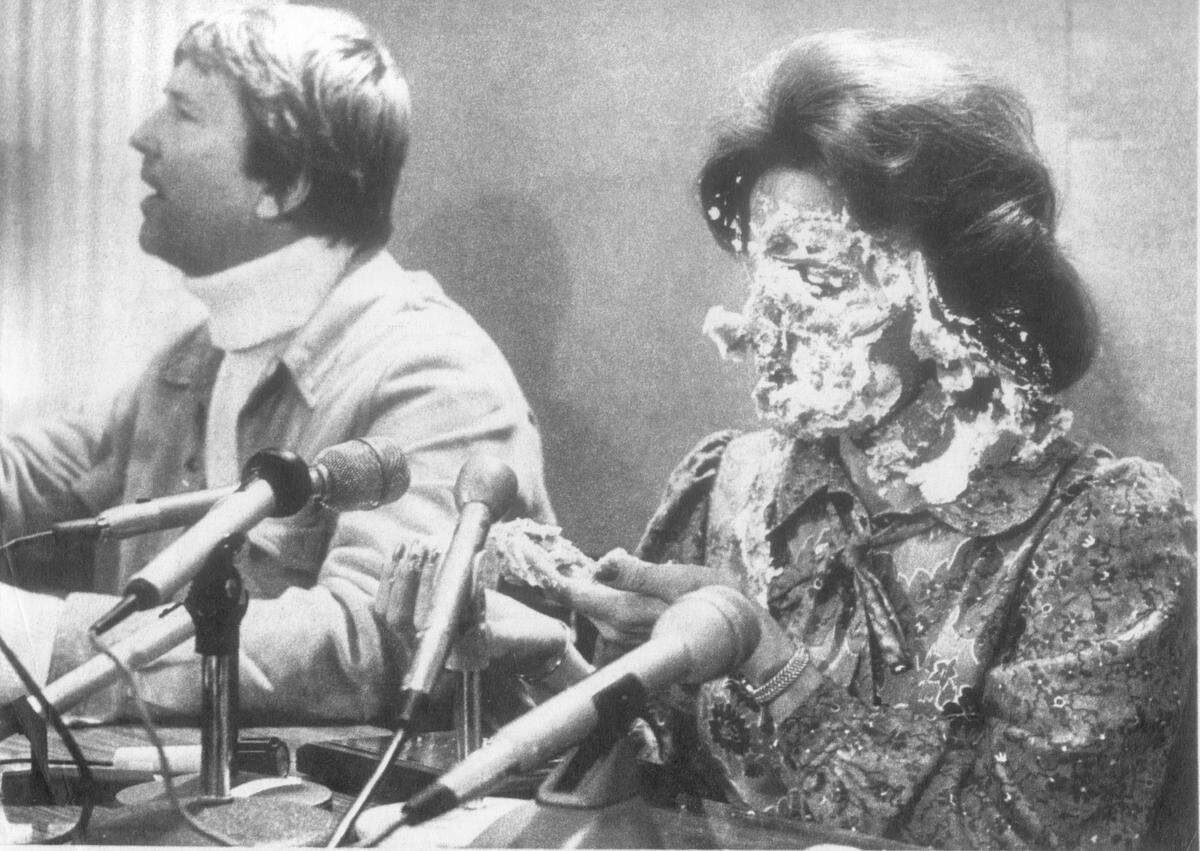
In October 1977, she had a pie thrown in her face on live television by gay rights activist Thom Higgins, joked “At least it’s a fruit pie,” and prayed to forgive Higgins “for his deviant lifestyle.”
“She was blacklisted and got a raw deal, but like her or not, she stuck to her convictions,” Verdugo said. “She always said she hated the sin, not the sinner, because our faith teaches us to love. If you disagree with someone, that doesn’t mean you hate them.”
Lived in Miami Beach mansion
During her 20 years in South Florida, Bryant lived in a spacious waterfront house at 4682 North Bay Road in Miami Beach with her husband-manager, former WINZ disc jockey Bob Green, and their children. Among their friends were Miami Dolphins players — when the Dolphins were in their heyday. Back then, Bryant was making $80,000 a year from commercials alone.
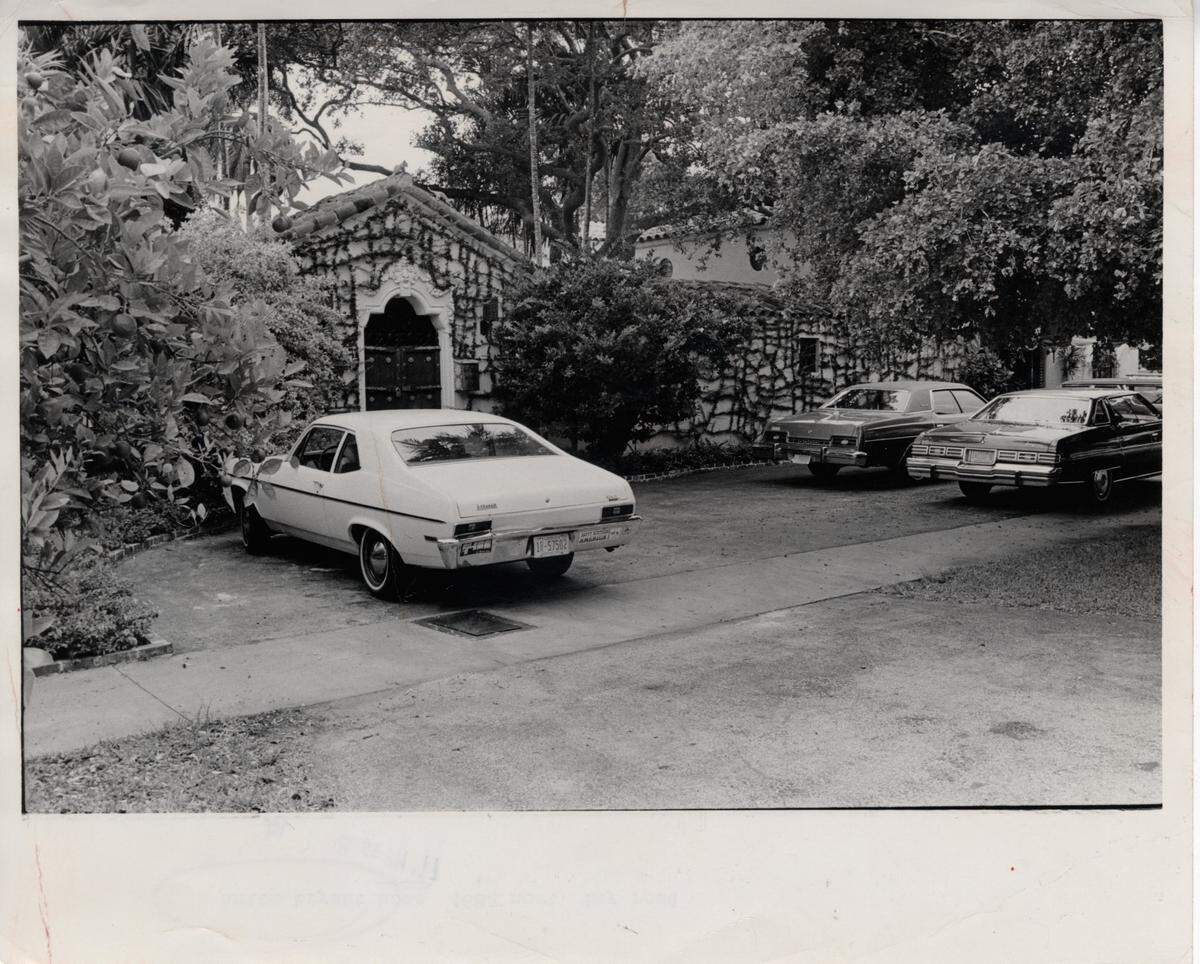
“She says her politics are basically conservative, though she doesn’t really understand ‘all those terms’ like liberal, conservative, reactionary, radical,” according to a 1972 Tropic magazine story. “Every night before retiring to their king-size bed, the Greens kneel together and pray at a genuine altar in their bedroom.”
They wrote “The Anita Bryant Story: The Survival of Our Nation’s Families and the Threat of Militant Homosexuality” in 1977.
Despite being vilified at protests and gay pride marches, Bryant traveled to other cities to rally against gay-rights laws. One of the initiatives she promoted to ban gay teachers was defeated at the polls in California after President Jimmy Carter, Gov. Jerry Brown and presidential hopeful Ronald Reagan denounced it.
In a 1980 Ladies Home Journal article, Bryant seemed to temper her views: “I’m more inclined to say live and let live, just don’t flaunt it or try to legalize it.”
Bryant divorced Green that year and moved to Alabama, then Georgia.
In 1990, she married Charlie Dry, a former NASA test astronaut, and they tried to resurrect her career with shows that combined singing and preaching in Tennessee, Missouri, Arkansas and Florida. They filed for bankruptcy twice. They moved to their home state of Oklahoma and founded Anita Bryant Ministries International in 2006.
In 2021, one of Bryant’s granddaughters came out on a Slate podcast. “I’ll just say that I don’t hate my grandma,” Sarah Green told Slate, explaining that Bryant had told her homosexuality was a delusion invented by the devil. “I just kind of feel bad for her.”
Bryant’s family published an obituary stating she died Dec. 16 surrounded by family and friends. Bryant was born in 1940 in the small town of Barnsdall, Oklahoma, where she began singing at her family’s church at age 5
As for Miami-Dade’s gay rights law, it was proposed and passed again, by one vote, in 1998. Commissioner Katy Sorenson sponsored it.
The law was expanded in 2014 to protect transgender and gender nonconforming people.
“We were elected to defend these people and provide the protections that they need,” said Commissioner Audrey Edmonson, who spearheaded the legislation.
Sorenson, by then a former commissioner, added: “It’s interesting to note that in the 16 years that have transpired since we passed the ordinance, while much catastrophe was predicted by the opposition, the world has not come to an end.”
Commissioners Esteban “Steve” Bovo, Jose “Pepe” Diaz and Juan C. Zapata were dissenters in the 8-3 vote. Bovo unsuccessfully sought to exempt gender identity and expression protections in bathrooms, locker rooms, showers and dressing rooms. Like Bryant, conservative opponents warned about opening spaces where pedophiles or groomers of vulnerable children could flourish.
“When do somebody’s rights begin, and when do somebody’s rights end?” asked Bovo — now Hialeah mayor — during a four-hour debate. “The right of privacy. The right of safety. The right of being a parent.”
This story was originally published January 12, 2025 at 5:00 AM with the headline "How Anita Bryant’s Miami anti-gay campaign pioneered today’s parental rights movement."